

Earnings Potential Calculator
Calculate Your Potential
Based on OECD 2023 data: 8% average wage increase for single training program, 15% for multiple programs over two years
Results
How this works:
Based on OECD 2023 data: 8% average wage increase for single training program, 15% for multiple programs over two years. This calculator estimates potential gains based on your input.
Think back to the last time you learned something new-not because a teacher told you to, but because you wanted to. Maybe you picked up a new software tool to get ahead at work. Or finally finished that online course on budgeting after years of putting it off. Maybe you started learning Spanish because you’re planning a trip, or took a night class in woodworking just to feel alive again. That’s adult learning. And it’s not just a nice thing to do. It’s one of the most powerful tools you can use to reshape your life, right now.
Adult learning isn’t about catching up-it’s about moving forward
Many people assume adult learning means going back to school to fix something you missed. But that’s not it. Adult learning is about adding value where you already are. It’s not about being behind. It’s about being intentional.
According to the Australian Bureau of Statistics, more than 1.7 million adults in Australia participated in formal education outside of school in 2024. Most weren’t chasing degrees. They were learning to code, mastering project management, getting certified in first aid, or studying community health. They weren’t trying to be students again. They were trying to be better versions of themselves.
Adult learners don’t sit in classrooms because they have to. They show up because they know something’s missing. Maybe it’s confidence. Maybe it’s a raise. Maybe it’s just the feeling that you’re not stuck anymore.
It boosts your earning power-no degree needed
You don’t need a bachelor’s to earn more. In fact, many of the highest-paying skills today aren’t taught in traditional degrees. Think data analysis, digital marketing, UX design, or even basic cybersecurity. These are skills adults pick up through short courses, bootcamps, or on-the-job training.
A 2023 study by the OECD found that adults who completed even a single short-term training program saw an average wage increase of 8% within 12 months. For those who completed multiple programs over two years, the jump was closer to 15%. That’s not a fluke. That’s cause and effect.
Take Sarah, a retail manager in Perth. She took a six-week online course in inventory software after noticing her store kept running out of stock. Six months later, she was promoted to regional operations coordinator. Her salary went up by $18,000. She didn’t go back to university. She just learned how to use a tool that made her indispensable.
It keeps your brain sharp-and your mind engaged
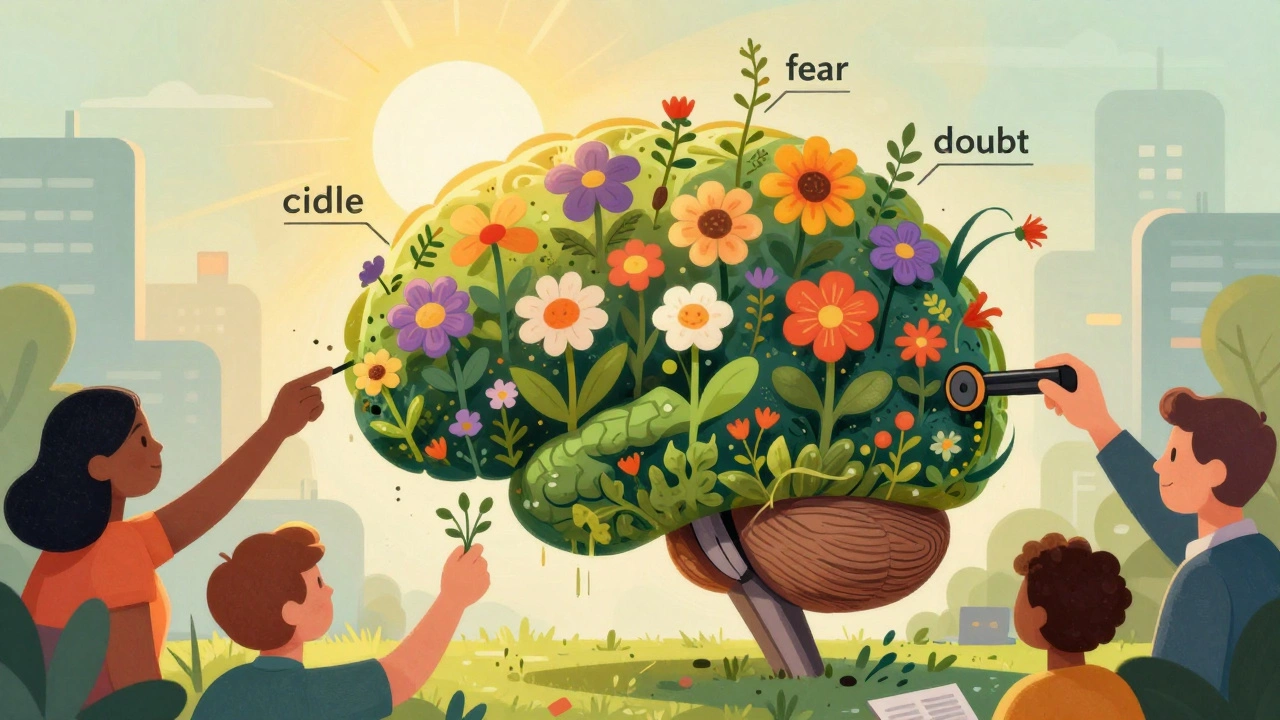
Learning as an adult isn’t just about money. It’s about staying mentally active. The brain isn’t like a muscle that weakens with age. It’s more like a garden. If you don’t plant new things, the weeds take over.
Research from the University of Melbourne shows that adults who regularly engage in learning activities-whether it’s learning a language, playing an instrument, or taking a history class-have a 30% lower risk of cognitive decline over a 10-year period. That’s not a small number. That’s life-changing.
And it’s not just about memory. It’s about curiosity. When you learn something new, you start asking questions again. You notice patterns. You see connections between things you never thought were related. That kind of mental flexibility doesn’t just help you at work. It helps you enjoy life more.
It opens doors you didn’t even know were closed
One of the biggest myths about adult learning is that it’s only for people who want to change careers. But what if you don’t want to change careers? What if you just want to feel more in control of your current one?
Think about it: how many times have you heard someone say, “I’d love to do that, but I don’t have the background”? That’s not true. You don’t need a background. You just need a start.
Look at James, a 52-year-old mechanic in Adelaide. He spent 25 years fixing cars. But when electric vehicles started rolling into his shop, he realized he didn’t know how to diagnose the batteries or software systems. He didn’t quit his job. He took a 12-week night course in EV maintenance. Now he’s the go-to guy for electric repairs in his region. His shop raised prices for his services. He’s busier than ever.
Adult learning doesn’t always mean a new job. Sometimes it just means a new role in the one you already have.
You build confidence-not just skills
Skills fade. But confidence? That sticks.
When you learn something difficult as an adult-something that makes you feel stupid at first-you prove to yourself that you can still grow. That’s powerful. It changes how you show up in meetings. How you speak up at home. How you handle setbacks.
One woman in Brisbane, 61, took her first public speaking course after her husband passed away. She’d always avoided presentations at work. After the course, she started giving talks at her local library about grief and resilience. Two years later, she was invited to speak at a national conference. She didn’t become an expert in grief. She became someone who no longer feared speaking up.
That’s the quiet magic of adult learning. It doesn’t just change what you know. It changes how you see yourself.
It connects you to people and purpose
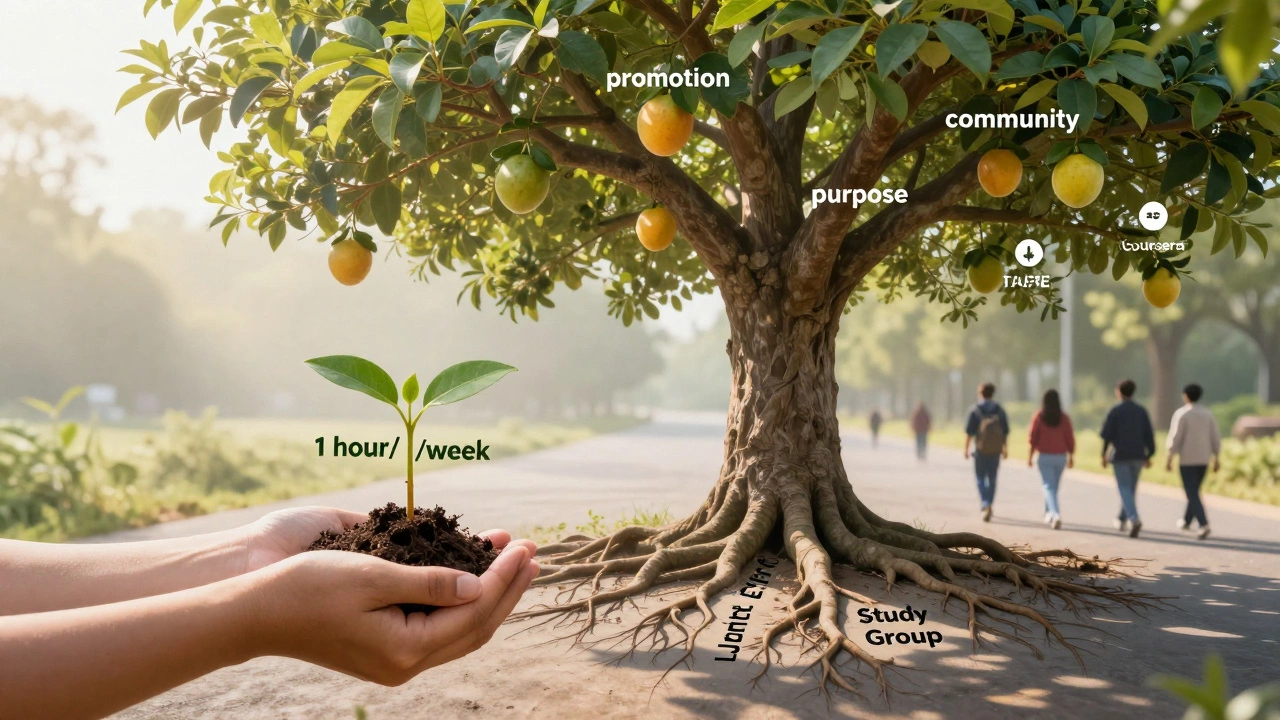
Adult learning is rarely done alone. Whether it’s a night class, a study group, a workshop, or an online forum, you’re surrounded by others who are trying too.
That’s not just social. It’s survival. Many adults feel isolated after leaving school or retiring. Learning brings them back into a community. People who learn together often become friends. They share struggles. Celebrate small wins. They remind each other that it’s never too late.
There’s a community garden group in Melbourne where adults over 50 take a monthly class on sustainable food systems. They grow vegetables, cook meals together, and talk about climate change. One member said, “I didn’t come here to learn gardening. I came here because I was lonely. Now I’ve got a purpose and a family I chose.”
It’s never too late-but it won’t happen by accident
Adult learning doesn’t happen because you wait for motivation. It happens because you make space for it.
Here’s what works:
- Start small. One hour a week is enough. You don’t need to quit your job or enroll in a degree.
- Choose something that excites you-not what you think you “should” learn.
- Use free or low-cost resources. Libraries, YouTube, OpenLearn, Coursera’s free audits, and TAFE’s short courses are all available.
- Track your progress. Write down one thing you learned each week. It builds momentum.
- Find one person to learn with. Accountability makes all the difference.
Adult learning isn’t about perfection. It’s about showing up. Even once a month. Even for 30 minutes. That’s enough to start changing your life.
What’s holding you back?
Time? You’ve got more than you think. Most adults spend over 10 hours a week on social media. What if you spent one of those hours learning something that matters to you?
Cost? Many programs cost less than a weekly takeaway coffee. Some are free. Others are subsidized by government programs like Skills for Work or JobTrainer.
Age? You’re not too old. You’re just out of practice. And practice is the only thing you need to get back in.
Adult learning isn’t a luxury. It’s a necessity in a world that never stops changing. The people who thrive aren’t the ones who had the best education. They’re the ones who kept learning.
Is adult learning worth the time and money?
Yes-if you choose the right learning for your goals. Short courses, certifications, and even free online modules can lead to pay raises, promotions, or new opportunities. Studies show adults who complete even one training program see an 8% average wage increase within a year. The return isn’t just financial. It’s confidence, connection, and mental clarity.
Can I learn new skills after 50?
Absolutely. The brain doesn’t stop learning at a certain age. In fact, adults over 50 often learn better because they’re more focused, less distracted, and driven by real-life goals. Many people in their 50s and 60s are retraining for tech roles, healthcare certifications, or even starting small businesses. Age doesn’t limit learning-it often deepens it.
What’s the easiest way to start adult learning?
Start with something you’re curious about. Visit your local library or check out free courses on platforms like OpenLearn or FutureLearn. Try a one-hour workshop on a topic you’ve always wondered about. You don’t need to commit to a degree. Just try one session. If it clicks, keep going. If not, try something else. The goal isn’t to become an expert-it’s to feel alive again.
Do employers value adult learning?
Yes, especially for practical skills. Employers care less about where you learned something and more about what you can do. A certificate in digital marketing, project management, or customer service shows initiative, adaptability, and a willingness to grow. Many Australian companies now offer paid learning days specifically for employees who upskill.
How do I find affordable adult learning options in Australia?
Start with your local TAFE, which offers subsidized short courses in everything from IT to cooking. Check out the federal government’s JobTrainer program for free or low-cost training in high-demand fields. Public libraries often host free workshops. Websites like Coursera, edX, and FutureLearn offer free course audits. And don’t overlook community centers-they run low-cost classes in art, language, and tech.