
Exam Preparation: Practical Tips to Maximise Your Scores
Feeling the pressure of an upcoming test? You’re not alone. The good news is that smart, simple habits can make a huge difference. Below are easy steps you can start using today, no matter whether you have a week or a month before the exam.
Plan Your Study Sessions Effectively
First, break the syllabus into bite‑size chunks. Instead of trying to cover everything in one marathon, aim for 30‑45 minute blocks with 5‑10 minute breaks. This “focus‑rest” rhythm keeps attention sharp and prevents burnout.
Next, use active recall. After reading a section, close the book and write down what you remember. If you can’t remember something, go back and review it. This forces your brain to retrieve information, which locks it in for longer.
Combine active recall with spaced repetition. Schedule a quick review of the same material after one day, then after three days, and again after a week. The spaced schedule reinforces memory without feeling like extra work.
Mind and Body: The Hidden Edge
Exam success isn’t just about what you study; it’s also about how you feel. A well‑rested brain works faster than a tired one. Aim for 7‑8 hours of sleep each night, especially the night before the exam.
Fuel your brain with simple drinks like water, green tea, or a modest coffee if you need a boost. Avoid sugary sodas that cause energy crashes. A banana or handful of nuts can give a steady release of energy without the jitters.
Stay calm with a quick breathing routine: inhale for four seconds, hold for four, exhale for four, and repeat three times. This lowers heart rate and clears mental fog, letting you think clearly during the test.
Finally, set up a distraction‑free study zone. Put your phone on silent, close unrelated tabs, and tell family members you need uninterrupted time. A tidy space makes it easier to focus and keeps you from drifting off task.
Stick to these habits, adjust them to fit your schedule, and you’ll notice a steady rise in confidence and scores. The key is consistency – a little effort each day adds up to big results on exam day.

What is the 1247 Rule of Studying? A Practical Guide
- by Eliza Fairweather
- on 5 Oct 2026
Discover how the 1247 rule transforms exam prep by leveraging spaced repetition. Learn the 1-2-4-7 day schedule to beat the forgetting curve and retain knowledge longer.

What Is the One Fruit That May Prevent Dementia? Blueberries and Brain Health
- by Eliza Fairweather
- on 1 Oct 2026
Discover why blueberries are hailed as a top fruit for preventing dementia and boosting brain health. Learn about anthocyanins, cognitive benefits, and practical tips for incorporating them into your diet.

What is the 2/3/5:7 Revision Rule? A Guide for GCSE Students
- by Eliza Fairweather
- on 14 Sep 2026
Struggling to retain GCSE study material? Discover the 2/3/5:7 revision rule, a science-backed spaced repetition strategy. Learn how to schedule reviews to maximize memory retention and reduce study time effectively.

Is GCSE Difficult? A Realistic Guide to Exam Success
- by Eliza Fairweather
- on 16 Aug 2026
Wondering if GCSEs are actually hard? We break down the real challenges, from grade boundaries to subject-specific struggles, and share practical tips to help you succeed.

Fastest Way to Memorize for an Exam: Science-Backed Study Techniques
- by Eliza Fairweather
- on 30 Jul 2026
Discover the fastest way to memorize for an exam using science-backed techniques like active recall and spaced repetition. Stop cramming and start retaining.

Is A-Level Math Harder Than SAT Math? A Detailed Comparison
- by Eliza Fairweather
- on 5 Jul 2026
Comparing A-Level Math and SAT Math reveals a stark difference in depth and rigor. A-Levels demand proof-based mastery, while SATs test quick application. Here is what you need to know.

The Best Way to Revise for GCSE: A Smart, Stress-Free Study Plan
- by Eliza Fairweather
- on 8 Jun 2026
Discover the best way to revise for GCSEs using active recall and spaced repetition. Learn how to create a realistic timetable, master subject-specific strategies, and manage exam stress effectively.
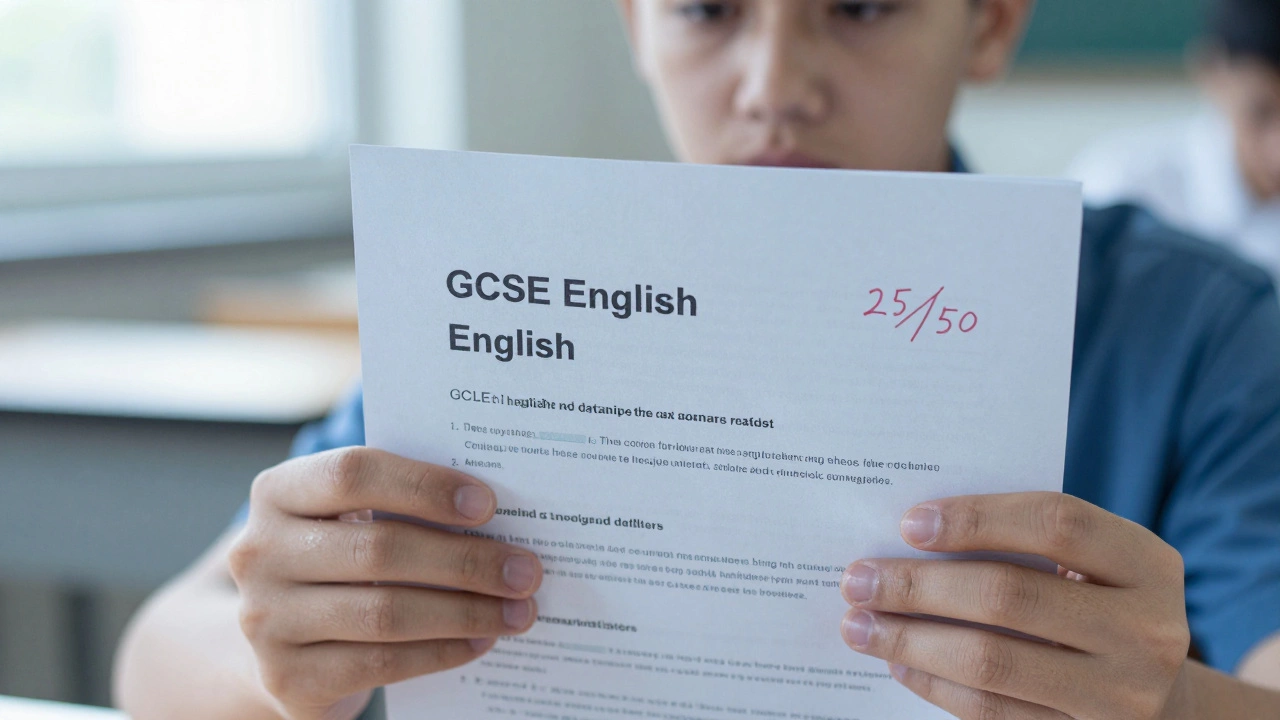
Is 50% a Pass in GCSE English? Understanding the Grading System
- by Eliza Fairweather
- on 1 Jun 2026
Is 50% a pass in GCSE English? Not necessarily. Learn how the 9-1 grading system works, why percentages are misleading, and what score you actually need for a Grade 4.

Cramming vs. Sleep: The Science of Exam Preparation and Memory Retention
- by Eliza Fairweather
- on 31 May 2026
Discover why sleep beats cramming for exam success. Learn how memory consolidation works, the risks of all-nighters, and practical strategies to optimize your study routine for better grades.

What's the Hardest GCSE Subject? A Realistic Guide to Difficulty
- by Eliza Fairweather
- on 24 May 2026
Discover which GCSE subjects are considered the hardest and why. From Maths to Physics, learn what makes them difficult and get practical tips to overcome challenges and boost your grades.

Best Natural Supplements for Memory and Exam Focus (2026 Guide)
- by Eliza Fairweather
- on 21 May 2026
Discover the best natural supplements for memory and focus, including Bacopa, Ginkgo, and Rhodiola. Learn how to safely enhance cognitive performance for exam preparation in 2026.
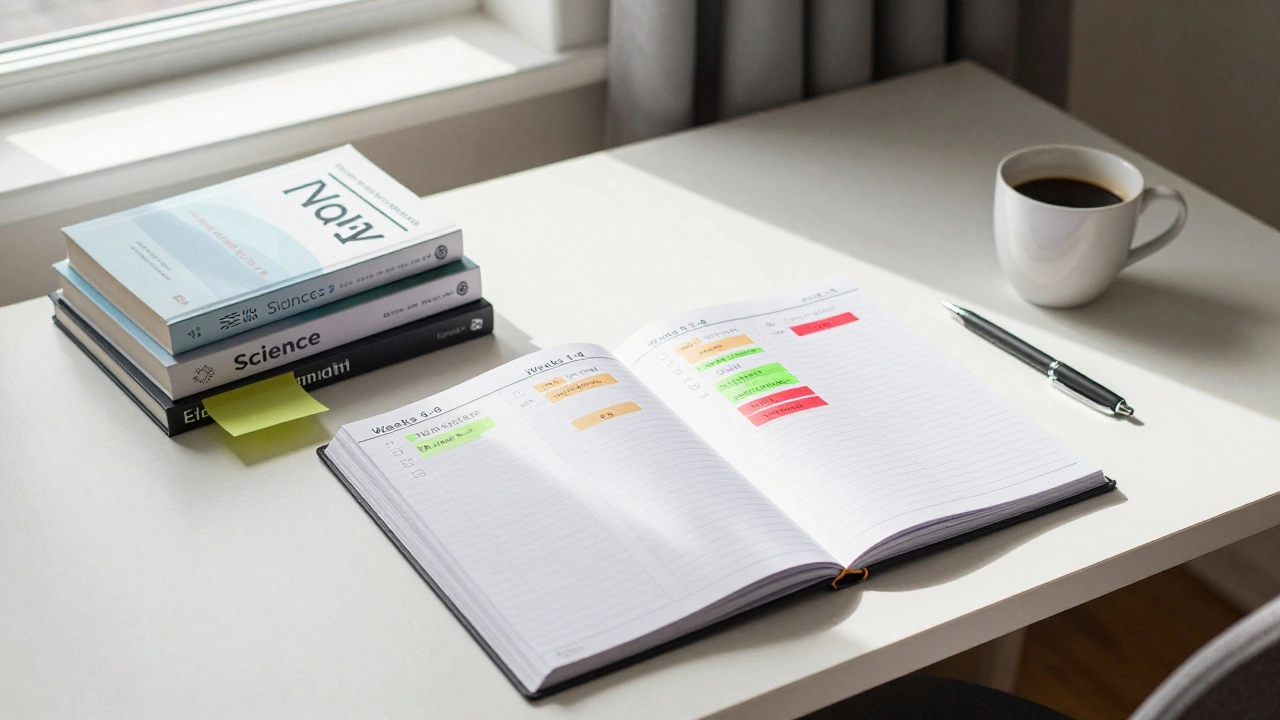
Is 3 Months Enough to Revise for GCSE? A Realistic Strategy Guide
- by Eliza Fairweather
- on 17 May 2026
Yes, 3 months is enough to revise for GCSEs if you use active recall, spaced repetition, and past papers strategically. This guide breaks down a realistic week-by-week plan to maximize your grades.