
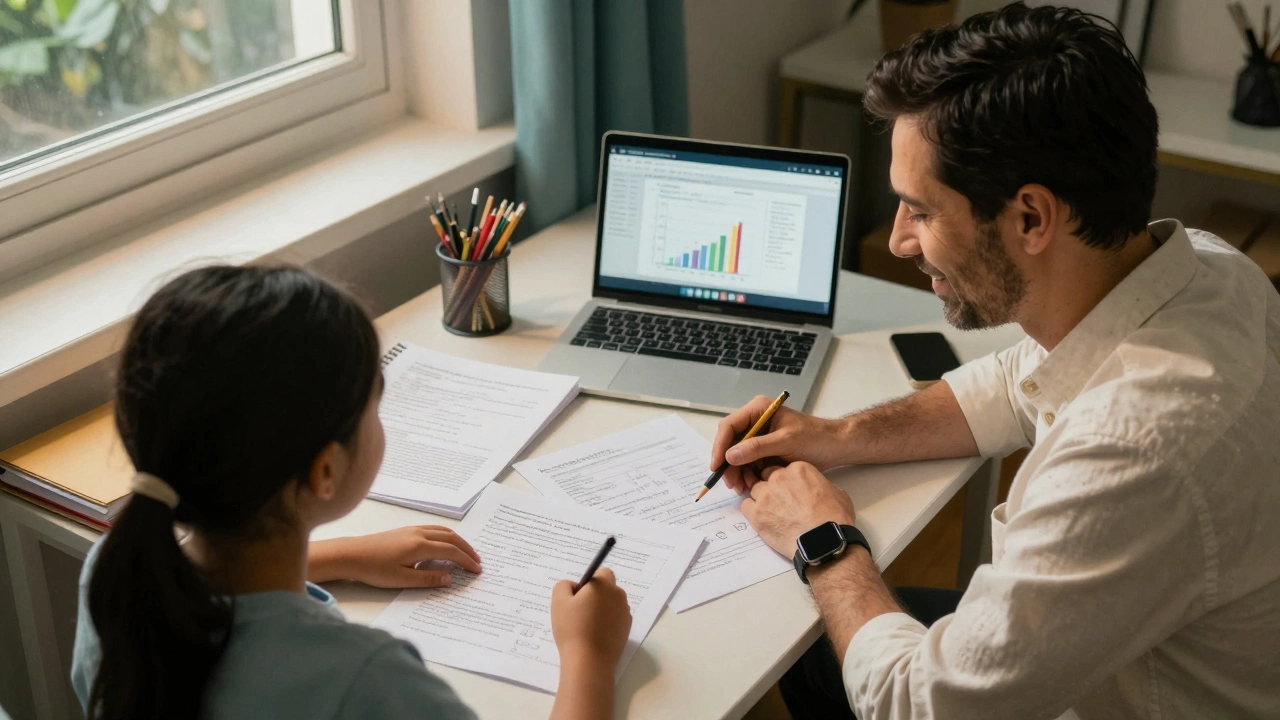
Private tutoring doesn’t come cheap. You’ve probably seen the price tags - $60 an hour, $80, even $120 for a top tutor - and wondered, why is private tutoring more expensive than group classes or online courses? It’s not just about the tutor’s time. There’s a whole system behind that hourly rate, and most people don’t see the full picture.
It’s Not Just Time - It’s Personalized Planning
When you hire a private tutor, you’re not paying for someone to repeat a textbook. You’re paying for a custom learning plan built for one person. A tutor doesn’t show up with a one-size-fits-all worksheet. They look at your child’s last test, their homework patterns, how they react when confused, and what kind of examples click for them. Then they design a session around that.
That prep work? It happens outside the lesson. For every hour of tutoring, most tutors spend 30 to 90 minutes planning. They adjust problems, find new analogies, track progress across weeks, and rewrite explanations. A group class teacher might teach the same lesson to 25 kids. A private tutor crafts 25 different lessons - one for each student.
Expertise Comes at a Premium
Not all tutors are created equal. The best ones aren’t just good at math or science - they’re trained to diagnose learning gaps. Many have teaching degrees, certifications, or years of classroom experience. Some are former school teachers who left because they wanted to focus on individual needs. Others are university graduates who’ve spent years tutoring full-time.
Think about it: if you needed a specialist plumber for a hidden pipe leak, you wouldn’t expect them to charge the same as a general handyman. Same with tutoring. A tutor who’s helped 50 students pass their VCE Maths Methods exam, with 90% scoring above 80%, isn’t just teaching - they’re solving a high-stakes problem. That expertise commands a higher rate.
Operating Costs Are Hidden
Most tutors aren’t working for a big company. They’re self-employed. That means they cover everything themselves: marketing, booking systems, payment processing, taxes, insurance, and even their own continuing education.
Let’s say a tutor charges $80/hour. Out of that:
- $15 goes to payment processing fees (Stripe, PayPal)
- $10 goes to taxes and superannuation (they’re self-employed, so no employer contributions)
- $5 goes to advertising - Google Ads, Facebook posts, tutoring directories
- $10 covers materials - printed worksheets, online subscriptions, textbooks
- $10 is set aside for professional development - workshops, certifications, training
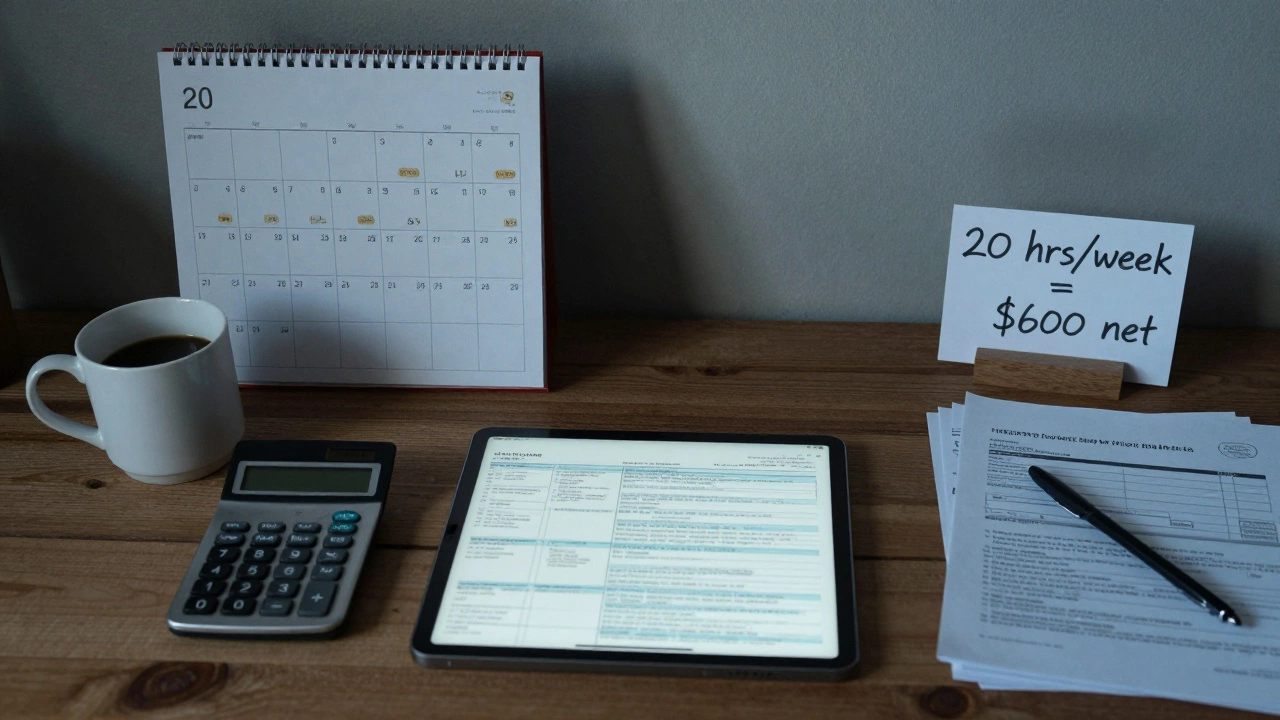
That leaves $30 for their actual time. And that’s before accounting for travel, sick days, holidays, or weeks when students take a break. A tutor working 20 hours a week nets about $600 after costs. That’s below minimum wage in many places if you factor in all the non-teaching hours.
Supply and Demand Are Tight
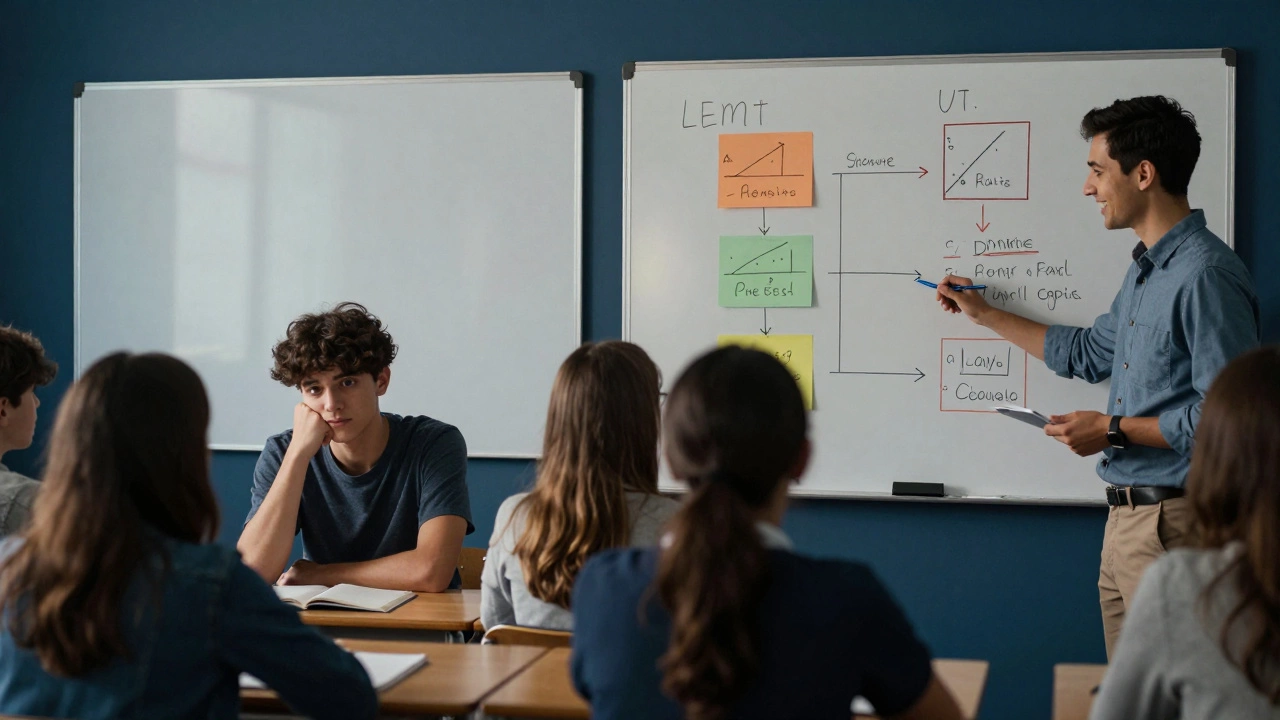
There’s a growing demand for private tutoring, especially after pandemic learning gaps. Parents are more aware than ever that their kids need targeted help. But the number of qualified tutors hasn’t kept up.
In Australia, fewer than 15% of teachers work as private tutors. Many leave the profession because of burnout. Others can’t afford to - tutoring doesn’t pay enough to replace a full-time salary unless they’re highly specialized or in high demand.
Meanwhile, subjects like STEM, VCE English, and IB courses have way more demand than tutors. A tutor who specializes in Year 12 Physics in Adelaide can pick their clients. That’s not a coincidence - it’s market pressure.
You’re Paying for Availability and Flexibility
Group classes run on fixed schedules. Private tutoring doesn’t. You can book a session on a Tuesday night after work. You can reschedule last minute. You can extend a session if your child is stuck on a topic.
That flexibility has a cost. Tutors who offer it often turn down other clients. If you book a 7 p.m. slot on a Thursday, they can’t take two other students who might have wanted that time. That lost opportunity is baked into the price.
Also, tutors who work evenings and weekends often charge more. It’s not because they’re greedy - it’s because those hours are harder to fill. Fewer people are available to work then, and those who are usually have other commitments.
Results Are Measurable - and That’s Worth It
Here’s the real difference: with private tutoring, you can track progress. You’ll know if your child went from a C to an A in three months. You’ll see the confidence build. You’ll hear them explain concepts they used to avoid.
That kind of change doesn’t happen in a crowded classroom. A teacher can’t give each student 15 minutes of focused attention every day. But a tutor can - every single session.
Studies show that students who get consistent one-on-one tutoring improve their grades 1.5 to 2 times faster than those in group settings. In Australia, a 2024 report from the Australian Council for Educational Research found that students who received weekly private tutoring in Year 9 Maths gained an average of 22 percentage points over a school year - compared to 8 points for those who didn’t.
That’s not magic. It’s targeted, consistent, personalized support.
Is It Worth It?
Yes - if you need it. If your child is falling behind, dreading homework, or losing confidence, private tutoring isn’t a luxury. It’s a reset button.
But it’s not the only option. Some families use tutoring centers, online platforms with group sessions, or school-based support. Others pair tutoring with free resources like Khan Academy or school homework clubs.
Still, if you want fast, reliable results - and you’re willing to invest in your child’s learning - private tutoring delivers what nothing else can: a teacher who sees your child as an individual, not a number.
Why do some tutors charge so much more than others?
Tutor rates vary based on experience, qualifications, subject demand, and location. A tutor with a postgraduate degree in physics and 10 years of exam-prep success will charge more than a university student tutoring basic algebra. Specialized subjects like IB Chemistry or VCE Specialist Maths also command higher rates due to lower supply.
Can I find affordable private tutoring?
Yes. Many university students offer tutoring at lower rates - often $30-$50/hour - and they’re usually well-trained in their subject. Community centers, libraries, and online platforms like Tutorful or MyTutor sometimes offer sliding-scale fees based on income. Also, group tutoring (2-4 students) can cut costs by 30-50% while still offering personalized attention.
Is private tutoring better than online courses?
Online courses are great for structure and repetition, but they can’t adapt in real time. A tutor can notice your child is stuck on fractions and switch tactics immediately. An online course won’t. For deep understanding, especially in complex subjects, personal interaction makes the difference.
How many sessions are needed to see results?
Most students start seeing improvement after 4-6 sessions. Significant progress - like moving from a C to an A - usually takes 8-12 weeks of weekly sessions. Consistency matters more than intensity. One hour a week, done regularly, often beats two hours once a month.
Do tutors offer payment plans or discounts?
Many do. Ask about package deals - buying 10 sessions upfront often gives you 10-15% off. Some tutors offer sibling discounts or reduced rates for families on concession cards. Don’t assume it’s not negotiable - most tutors want to help, not just make money.