

Private Tutoring Cost & Value Estimator
Select all factors that apply to your child's situation.
Estimated Annual Cost
This represents a direct financial commitment. Consider this against potential savings from avoiding re-sits or delayed graduation.
Recommendation Score
You stare at the report card. The grades are slipping, or maybe your child is just frustrated enough to quit studying altogether. You’ve tried helping them yourself, but it ends in arguments about fractions or history dates. Now you’re wondering if spending hundreds of dollars a week on a private tutor is worth it. It’s a big financial commitment, and frankly, not every student needs one. But when done right, one-on-one instruction can change the trajectory of a student’s confidence and academic performance faster than any other method.
The decision isn’t just about money; it’s about time, personality, and specific learning gaps. To figure out if hiring a tutor is the right move for you, we need to look past the marketing hype and examine what actually happens in those sessions. Is it magic, or is it just focused repetition?
When Does One-on-One Learning Actually Work?
Private tutoring works best when there is a clear, immediate problem that classroom teaching cannot solve quickly enough. If your child is falling behind in a foundational subject-like math or reading-they often lack the building blocks needed to understand new material. In a class of thirty students, the teacher moves at the pace of the middle group. Your child gets left behind.
A tutor identifies exactly where the gap is. Maybe they don’t understand negative numbers, so everything from algebra onwards makes no sense. A tutor spends three weeks fixing that specific hole. This targeted approach prevents the "snowball effect" where confusion grows larger each term. Research consistently shows that individualized attention reduces cognitive load, allowing students to process information more effectively than in large groups.
However, tutoring is less effective if the issue is purely behavioral. If a student refuses to do homework because they hate school, a tutor might just become another person they argue with. The student needs motivation first, then instruction. Ask yourself: Is this an ability issue or an attitude issue? Tutors fix ability gaps. They rarely fix deep-seated motivational problems unless they are exceptionally skilled mentors.
The Hidden Cost Beyond the Hourly Rate
We always talk about the price per hour, but that’s only part of the equation. You need to calculate the total cost of ownership for tutoring. In Australia, rates vary wildly. A university undergraduate might charge $40-$60 AUD per hour. A specialized expert with certifications could charge $100-$150 AUD per hour. Multiply that by two hours a week for ten months, and you’re looking at thousands of dollars annually.
But consider the alternative costs. What does it cost you in stress? What does it cost in lost sleep over homework battles? Some parents find that paying a tutor buys them back their relationship with their child. That emotional ROI (return on investment) is hard to quantify but real. Also, consider the long-term savings. A student who passes their HSC or VCE exams without needing a re-sit saves significant tuition fees later. Conversely, failing a core subject can delay graduation by a year, costing both time and potential earnings.
| Factor | Financial Impact | Non-Financial Impact |
|---|---|---|
| Hourly Fees | High ($40-$150/hr) | Low direct impact |
| Parental Time Saved | Neutral | High (reduced conflict) |
| Grade Improvement | Positive (avoids retakes) | High (boosts confidence) |
| Study Skills | Long-term gain | High (lifelong learning) |

In-Person vs. Online: Which Fits Your Lifestyle?
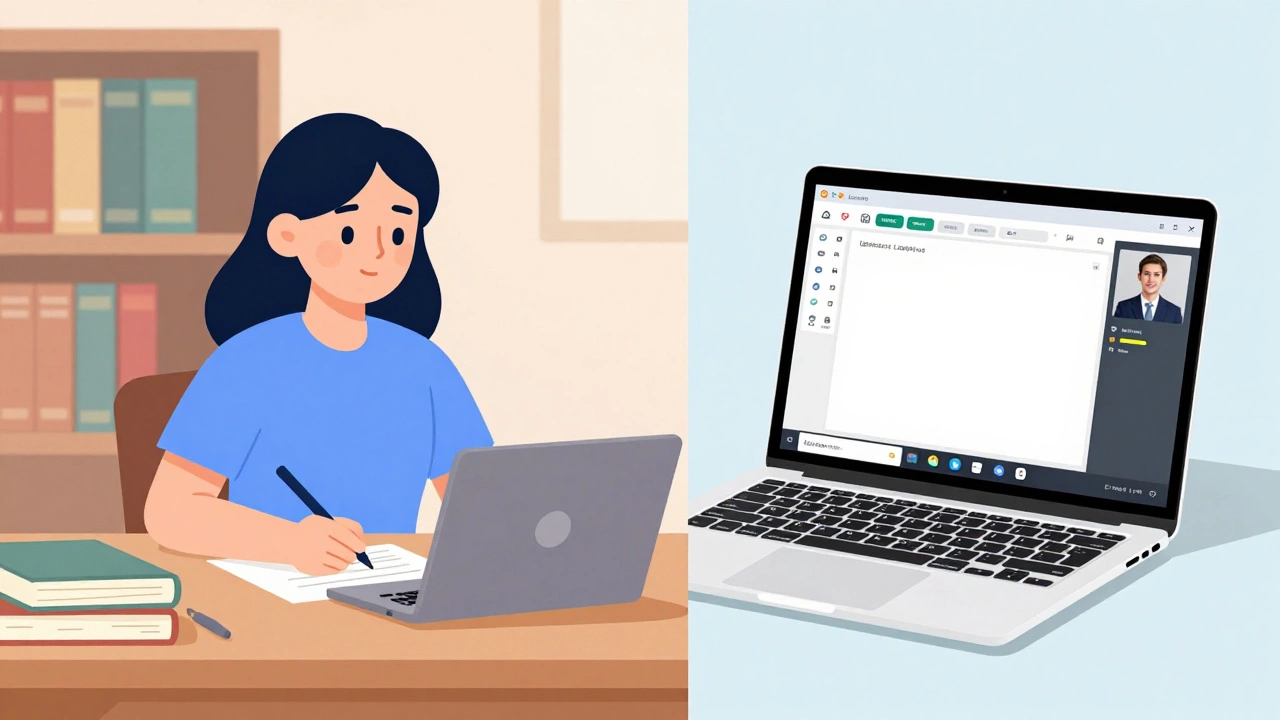
The rise of digital platforms has changed how we access tutors. You have two main paths: traditional face-to-face sessions or online video calls. Each has distinct advantages depending on your family’s logistics and your child’s learning style.
In-person tutoring offers better focus for younger children. There are fewer distractions than sitting in front of a screen at home. You also get non-verbal cues-the tutor sees when a student looks confused before they even speak. However, it requires travel time. If you live in Adelaide and the tutor is in Glenelg, you’re losing 20 minutes each way. That adds up.
Online tutoring provides flexibility and access to specialists. You aren’t limited to tutors within a 10-kilometer radius. You can find an expert in quantum physics or French literature regardless of location. Tools like shared whiteboards and screen sharing make visual explanations easier. For older students preparing for university entrance exams, online sessions often work well because they require more self-discipline anyway. Just ensure the student has a quiet space and a reliable internet connection. Nothing kills momentum like a frozen Zoom call.
How to Spot a Good Tutor (And Avoid Bad Ones)
Not all tutors are created equal. A bad tutor can reinforce misconceptions and waste your money. Before signing a contract, look for these red flags and green lights.
First, check their credentials. Do they have experience teaching the specific subject and year level? A brilliant mathematician might be terrible at explaining basic arithmetic to a Year 7 student. Look for evidence of past success, such as references from other parents or case studies showing grade improvements.
Second, observe their teaching style during a trial session. A good tutor doesn’t just give answers. They ask guiding questions. They teach strategies, not just solutions. If the tutor solves the problem while the student watches passively, walk away. The goal is independence, not dependency. You want a tutor who says, "Think about why that formula works," not "Just memorize this."
Finally, gauge the rapport. Does your child feel comfortable asking "stupid" questions? Trust is essential. If the student feels judged, they will hide their struggles, and the sessions will fail. A great tutor builds confidence alongside competence.
Alternatives to Private Tutoring
If private tutoring feels too expensive or unnecessary, consider other options. Sometimes the solution lies closer to home.
- School Support Programs: Many schools offer after-school help or peer mentoring programs. These are often free or low-cost and staffed by teachers who know the curriculum inside out.
- Tutoring Centers: Large chains offer structured programs. While less personalized than a private tutor, they provide consistent quality control and resources. They can be cheaper per hour due to bulk pricing.
- Peer Study Groups: For high schoolers, studying with friends can be surprisingly effective. Explaining concepts to peers reinforces understanding. It’s social, low-pressure, and free.
- Digital Resources: Platforms like Khan Academy or Coursera offer high-quality video lessons. For self-motivated students, these can fill knowledge gaps without human interaction.
These alternatives work well for mild struggles. If your child is significantly behind or dealing with complex learning differences, professional one-on-one help remains the gold standard.
Setting Realistic Expectations
Don’t expect miracles overnight. Tutoring is a marathon, not a sprint. Most students see noticeable improvement after 8-12 weeks of consistent sessions. Grades don’t jump from a C to an A in two weeks. Instead, look for smaller wins: less frustration during homework, better organization, or improved test scores on minor quizzes.
Communicate regularly with the tutor. Ask for progress reports. Adjust goals as needed. If you don’t see results after three months, reassess. Maybe the tutor isn’t the right fit, or maybe the strategy needs changing. Flexibility is key to making tutoring successful.
Ultimately, getting a private tutor is an investment in your child’s future. It’s not just about grades; it’s about building resilience, critical thinking, and a love for learning. If you approach it with clear goals and realistic expectations, it can be one of the most valuable decisions you make for your family’s educational journey.
How much does a private tutor cost in Australia?
Rates vary by location and expertise. University students typically charge $40-$60 AUD per hour. Experienced professionals or specialists may charge $80-$150 AUD per hour. Online tutors sometimes offer lower rates due to reduced overhead.
Is online tutoring as effective as in-person?
For motivated older students, yes. Online tutoring offers flexibility and access to global experts. However, younger children or those with attention issues often benefit more from the structure and non-verbal cues of in-person sessions.
When should I stop hiring a tutor?
Stop when your child demonstrates independence in the subject. Signs include completing homework without struggle, maintaining stable grades, and applying study skills learned during sessions. Regularly assess progress every 8-12 weeks.
Can a tutor help with behavioral issues?
Generally, no. Tutors focus on academic content and study skills. If behavioral problems are the root cause of poor performance, counseling or parental intervention may be more effective. A tutor can only succeed if the student is willing to engage.
How do I find a qualified tutor?
Check referrals from other parents, local schools, or reputable tutoring agencies. Verify credentials and experience. Always conduct a trial session to assess teaching style and rapport before committing to long-term contracts.