

Study Nutrition Planner
What are you struggling with most during your study sessions? Select all that apply:
Recommended Brain Support
Quick Wins for Brain Power
- Vitamin B12: The energy spark plug for your nerves.
- Omega-3 Fatty Acids: The structural building blocks of brain cells.
- Vitamin D: The mood regulator that prevents "study burnout."
- Magnesium: The stress-reliever that helps you actually sleep.
The B-Vitamin Complex: Your Brain's Fuel Line
If you only pick one supplement, make it a B-complex. Your brain doesn't store these vitamins, so you need a steady supply. Vitamin B12 is a water-soluble vitamin that is crucial for nerve tissue health and the production of myelin, the protective sheath around nerves. When B12 levels drop, you get that "brain fog" feeling. You might find yourself staring at a blank page for twenty minutes, unable to organize your thoughts. B12 helps convert the food you eat into glucose, which is the primary fuel for your brain cells.
Then there's B6. It’s a key player in creating Serotonin, the neurotransmitter that keeps you stable and focused. If you're feeling incredibly anxious about an upcoming final, B6 helps keep your mood level so you can actually concentrate. Most B-complex supplements combine B1, B6, and B12 to provide a comprehensive energy boost. Just be careful-taking too many B vitamins right before bed can make you feel wired, which defeats the purpose of getting a good night's sleep before the exam.
Omega-3s: Building a Better Memory
Vitamins are great, but your brain is mostly fat. That's why Omega-3 Fatty Acids are non-negotiable. Specifically, you want DHA (docosahexaenoic acid). DHA is a primary structural component of the human brain and retina. Think of it like upgrading the hardware of your computer; while B vitamins are the electricity, Omega-3s are the actual wiring.
Studies on cognitive performance show that students with higher Omega-3 intake generally perform better on memory tests. Why? Because Omega-3s improve the fluidity of cell membranes, making it easier for neurotransmitters to travel between neurons. If you don't eat fatty fish like salmon or sardines twice a week, a high-quality fish oil or algae-based supplement can help you retain complex information more effectively. Instead of forgetting a key formula halfway through a test, your brain can retrieve that data more reliably.

Managing Exam Stress with Magnesium and Vitamin D
Studying isn't just about absorbing data; it's about managing the stress of the deadline. This is where Magnesium comes in. Magnesium is involved in over 300 biochemical reactions in the body. It acts as a natural calcium blocker in the brain, which helps prevent neurons from becoming over-excited. In plain English: it stops you from spiraling into a panic attack when you see a question you don't recognize.
Pair this with Vitamin D. Most students spend 90% of their time indoors, especially during finals week in winter. Vitamin D deficiency is linked to depression and cognitive decline. When your Vitamin D is low, your motivation tanks. You might have the best study plan in the world, but if you lack the drive to even open your laptop, the vitamin is the missing link. It supports the production of brain-derived neurotrophic factor (BDNF), which is basically "miracle-grow" for your brain cells.
| Nutrient | Primary Benefit | Best Food Source | Best Time to Take |
|---|---|---|---|
| B-Complex | Energy & Mental Clarity | Eggs, Leafy Greens | Morning |
| Omega-3 (DHA) | Memory Retention | Salmon, Walnuts | With a Meal |
| Magnesium | Stress & Sleep | Dark Chocolate, Almonds | Evening |
| Vitamin D | Mood & Motivation | Sunlight, Mushrooms | Morning |
Avoiding the Supplement Trap
Here is the hard truth: a vitamin pill cannot replace a lack of sleep. If you're taking B12 but only sleeping three hours a night, you're just fueling a car with no wheels. Sleep is when Memory Consolidation happens. This is the process where your brain moves information from short-term storage to long-term memory. If you skip sleep, you're essentially deleting the work you did all day, regardless of how many vitamins you took.
Another common mistake is the "mega-dose" approach. Taking 5,000% of your daily value of a vitamin doesn't make you 5,000% smarter. In fact, too much of some vitamins can be toxic. For instance, excessive Vitamin B6 over a long period can lead to nerve damage. Always stick to the recommended daily allowance (RDA) and focus on "food first." A handful of walnuts and a piece of salmon will often do more for your brain than a cheap synthetic pill.
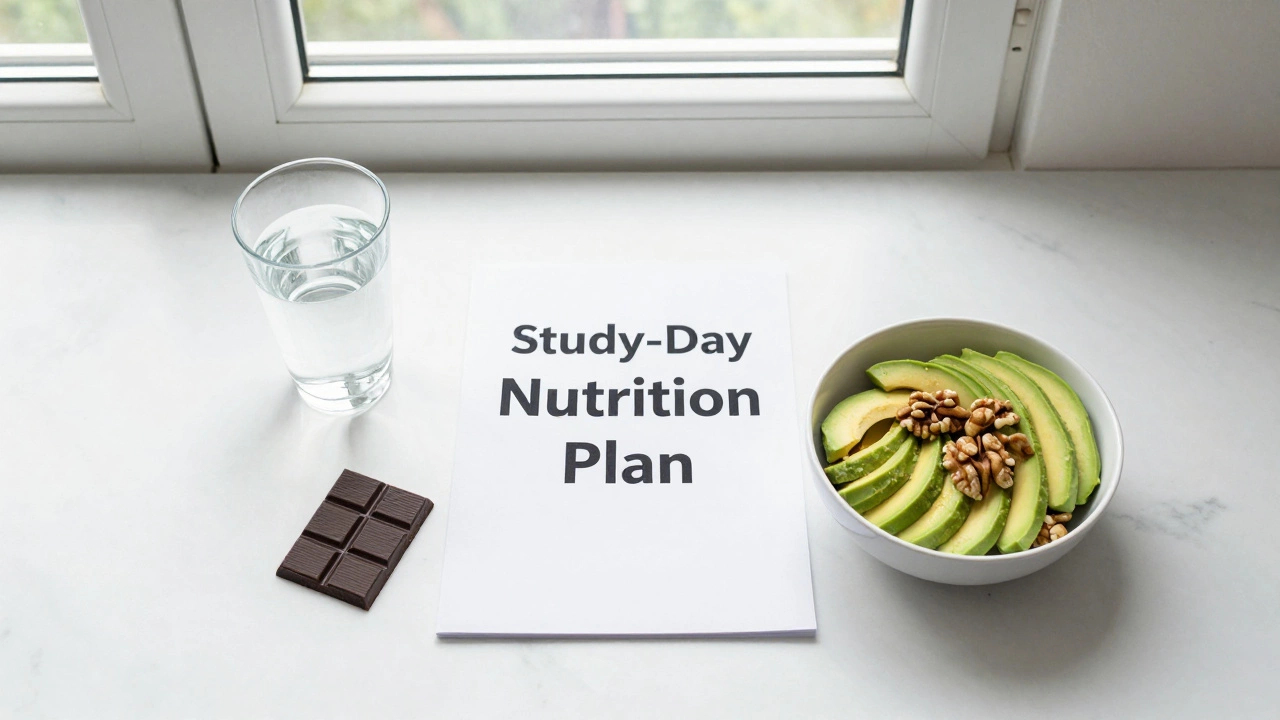
How to Build a Study-Day Nutrition Plan
To maximize your cognitive output, you need to time your intake. Start your day with a B-complex and a glass of water. This wakes up your metabolism and clears the morning fog. For lunch, aim for something with healthy fats-like an avocado salad or tuna-to provide a slow release of energy to the brain. This prevents the dreaded "afternoon slump" where you find yourself nodding off over your textbooks.
In the evening, switch gears. Stop the caffeine by 2 PM and introduce magnesium. This tells your nervous system it's time to wind down. When you combine targeted vitamins with a consistent sleep schedule and hydration, you create an environment where your brain can actually perform. You'll notice that you can read faster, remember more, and-most importantly-remain calm under the pressure of a ticking clock.
Can I take vitamins just a week before my exam?
While some B vitamins can give you a quick energy boost, most brain-boosting nutrients like Omega-3s and Vitamin D take weeks or even months to build up in your system. For the best results, start your supplement routine at the beginning of the semester, not the night before the final.
Will caffeine interfere with these vitamins?
Caffeine can act as a diuretic, meaning it may flush water-soluble vitamins like the B-complex out of your system faster. To get the most out of your vitamins, drink plenty of water and try to space out your coffee intake from your supplement timing.
What is the most dangerous vitamin to overdose on while studying?
Fat-soluble vitamins (A, D, E, and K) are more dangerous in excess because your body stores them in fat tissues rather than flushing them out. Overdosing on Vitamin D, for example, can lead to hypercalcemia, which causes nausea and weakness. Always follow the label's dosage.
Do I need a blood test before taking study vitamins?
It is highly recommended. A simple blood test can tell you if you are actually deficient in Vitamin D or B12. Taking supplements you don't need is a waste of money and, in some cases, can be counterproductive to your health.
Are there any herbal alternatives to vitamins for focus?
Yes, many students use adaptogens like Bacopa monnieri or Ginkgo biloba. However, these are not vitamins and work differently. Always check with a doctor before mixing herbal supplements with vitamins or prescription medications to avoid adverse reactions.
Next Steps for Your Brain Health
If you're currently in the middle of a study binge, start by drinking a large glass of water and eating a piece of fruit. Then, look at your diet over the next few days: add more leafy greens for B vitamins and some walnuts for Omega-3s. If you decide to buy supplements, look for "third-party tested" labels to ensure you're actually getting what's on the bottle. Finally, set a hard cutoff time for your books tonight-your brain needs a few hours of decompression before it can actually fall into the deep sleep required to lock in everything you've learned.