
Distance vs Online Learning Suitability Checker
Answer these questions to find out which learning model aligns best with your needs.
Your Recommended Path
Feature Breakdown:
You’ve probably seen these terms thrown around interchangeably in job postings, university brochures, and casual conversations. “I’m doing my degree via distance learning,” one person might say, while another claims they are enrolled in an online learning program. It sounds like a semantic hair-splitting exercise, right? Wrong. While they overlap significantly, treating them as identical can lead to frustration when you sign up for a course expecting live interaction but receive a stack of PDFs instead.
As someone who has navigated the shifting landscape of education from Adelaide to global platforms, I’ve noticed that understanding the nuance between these two models is crucial. It’s not just about where you sit; it’s about how you connect with knowledge and instructors. Let’s clear up the confusion once and for all.
The Core Difference: Delivery Method vs. Technology
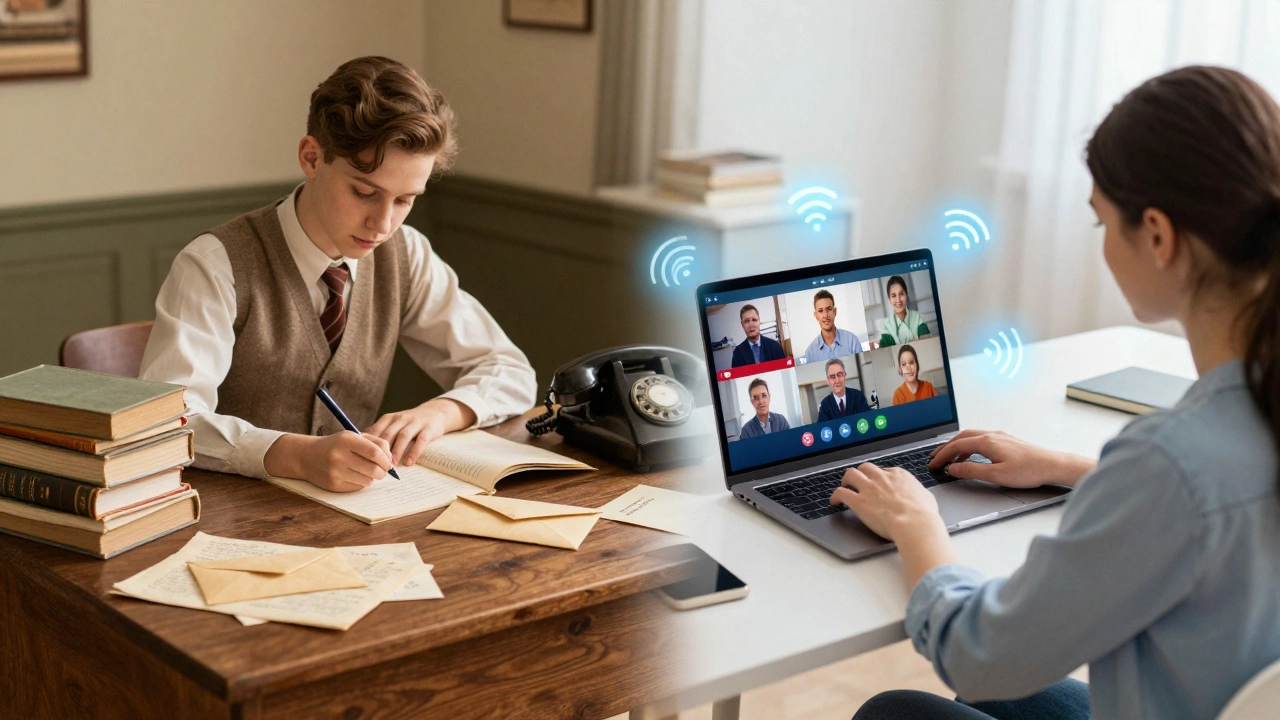
To understand why these terms aren’t perfect synonyms, we have to look at their origins. Distance learning is the broader umbrella term. Historically, this meant sending materials through the postal service. Think of the Open University in the UK or early correspondence courses in the US. You got your textbooks by mail, did your assignments, and mailed them back. There was no internet involved. The defining feature was physical separation between student and teacher.
Online learning, on the other hand, is a specific subset of distance learning. It relies entirely on digital technology. If you are logging into a platform, watching a video lecture, or submitting an assignment via a browser, you are engaging in online learning. All online learning is distance learning, but not all distance learning is online. In fact, some hybrid programs still use printed materials alongside digital tools, keeping them firmly in the distance learning category without being purely online.
How Content Reaches You: Asynchronous vs. Synchronous
One of the biggest practical differences lies in timing. This is often referred to as asynchronous versus synchronous learning, and it dictates your daily schedule more than any other factor.
In traditional distance learning (especially older models), the pace was often set by deadlines rather than real-time interaction. You had weeks to complete a module. With modern e-learning platforms, the structure varies wildly. Some online courses are strictly asynchronous, meaning you watch pre-recorded lectures whenever you want. Others are synchronous, requiring you to log in at 10 AM sharp for a live Zoom session with your professor. This distinction matters if you are working full-time or caring for family members. Knowing whether your “distance” course requires real-time presence is vital before you enroll.
The Role of Interaction and Community
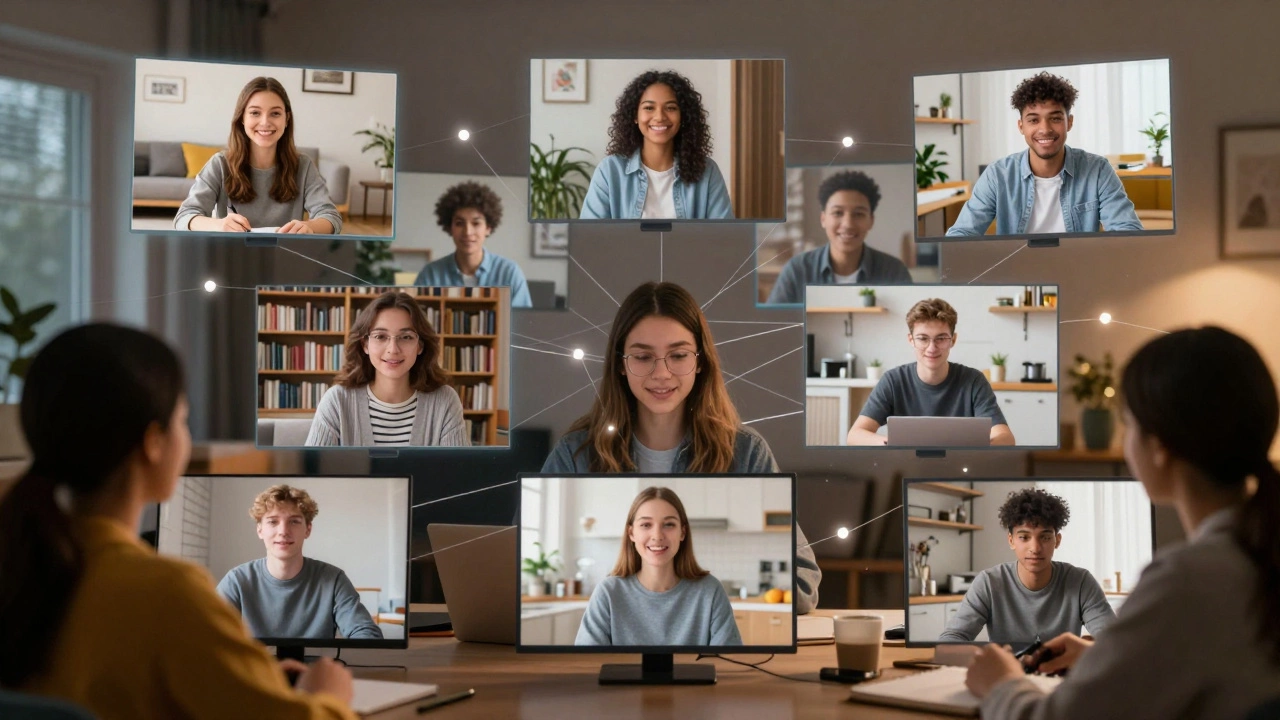
Let’s talk about loneliness. One common misconception is that distance learning isolates you completely. That used to be true. When you relied solely on mail, feedback loops took weeks. Today, virtual classrooms offer robust tools for interaction. Discussion forums, breakout rooms, and collaborative documents allow students to work together in real-time.
However, the quality of interaction differs. In a pure online environment, you might never meet your peers face-to-face. In a blended distance learning model, you might have occasional campus visits or local study groups. The level of community support depends heavily on the institution’s design. Some universities invest heavily in social features within their learning management systems (LMS) to combat isolation, while others treat the digital component as a solitary endeavor. Always check the syllabus for details on peer interaction requirements.
Technology Requirements and Accessibility
If you are considering online learning, your tech setup becomes part of your tuition. You need a reliable high-speed internet connection, a capable device (laptop or tablet), and sometimes specific software licenses. Learning Management Systems (LMS) like Moodle, Canvas, or Blackboard are the backbone of most online programs. Familiarity with these platforms can make or break your experience.
Traditional distance learning might require less tech savvy but demands strong self-discipline. Without the immediate feedback loop of a digital interface, you must manage your own progress meticulously. For those in rural areas with poor broadband infrastructure, non-digital distance learning options-or hybrid models-might be the only viable path to higher education. This is a critical consideration for accessibility and equity in education.
| Feature | Distance Learning | Online Learning |
|---|---|---|
| Definition | Broad term for education where student and teacher are separated by space/time. | Specific type of distance learning delivered via internet/digital devices. |
| Delivery Medium | Mail, radio, TV, print, OR digital. | Exclusively digital (web, apps, LMS). |
| Interaction Speed | Often delayed (days/weeks) unless digital tools are added. | Can be instant (chat, email) or scheduled (live webinars). |
| Tech Dependency | Low to High (depending on format). | High (requires stable internet and compatible devices). |
| Flexibility | High (self-paced modules common). | Variable (asynchronous vs. synchronous schedules). |
Cost Implications and Hidden Fees
When budgeting for your education, don’t just look at tuition. Online learning often comes with hidden costs. These include subscription fees for specialized software, high-speed internet bills, and hardware upgrades. Some institutions charge additional “technology fees” for online students to cover platform maintenance.
Traditional distance learning might seem cheaper upfront if it relies on print materials, but shipping costs can add up. Conversely, digital delivery eliminates postage. However, the convenience of online learning often commands a premium price in the private sector. Corporate training programs, for example, frequently market their online modules as “premium” due to the interactive elements and tracking capabilities they offer employers.
Accreditation and Recognition
A major concern for many learners is whether their qualification will be respected. In the past, there was a stigma attached to distance learning degrees. Today, that gap has largely closed, especially for accredited online programs. Major universities worldwide now offer fully accredited degrees online that carry the same weight as their on-campus counterparts.
However, you must verify accreditation carefully. Not all online providers are created equal. Some “diploma mills” exploit the ambiguity of distance learning to sell unaccredited credentials. Always check if the institution is recognized by relevant government bodies or professional associations. In Australia, for instance, ensure the provider is registered with TEQSA (Tertiary Education Quality and Standards Agency). This step protects your investment and ensures your hard work translates into career opportunities.
Which One Is Right for You?
Choosing between these formats depends on your lifestyle, learning style, and technical resources. If you thrive in structured environments with regular human contact, a synchronous online program with live sessions might suit you best. If you prefer solitude and control over your schedule, an asynchronous online course or a traditional mail-based distance program could be ideal.
Consider your internet reliability. If you live in an area with spotty connectivity, relying solely on streaming video lectures might be frustrating. A hybrid approach, where you download materials for offline viewing, offers a safety net. Ultimately, the “best” option is the one that fits seamlessly into your life without causing burnout or technical headaches.
Future Trends: Blending the Best of Both Worlds
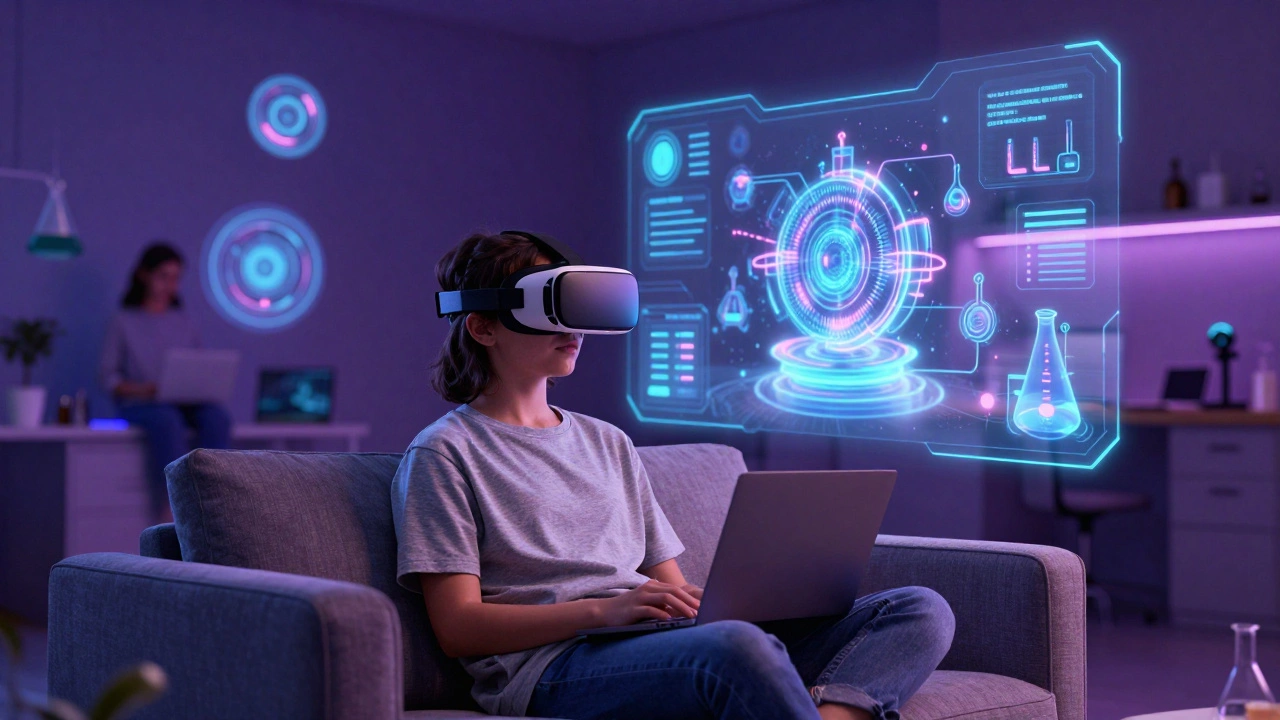
The lines between distance and online learning continue to blur. Emerging technologies like Virtual Reality (VR) and Augmented Reality (AR) are creating immersive online experiences that mimic physical classrooms. Imagine practicing surgical procedures in a VR lab from your living room. This evolution suggests that future distance learning will be increasingly interactive and technologically advanced.
Additionally, micro-credentials and modular learning are gaining popularity. Instead of committing to a full degree, professionals can take short, focused online courses to upskill quickly. This flexibility appeals to lifelong learners who need to adapt to rapid changes in their industries. Whether you call it distance or online, the goal remains the same: accessible, high-quality education tailored to individual needs.
Is distance learning the same as online learning?
No, they are not exactly the same. Distance learning is a broad term that includes any education where the student and teacher are physically separated, which can include mail, radio, or TV. Online learning is a specific type of distance learning that uses the internet and digital devices for delivery. All online learning is distance learning, but not all distance learning is online.
Which is better: distance learning or online learning?
It depends on your personal preferences and circumstances. Online learning offers more interactivity and faster feedback but requires reliable internet and tech skills. Traditional distance learning (non-digital) may be better for those with limited tech access or who prefer reading physical texts. Most people today find online learning more convenient due to its flexibility and multimedia resources.
Are online degrees respected by employers?
Yes, provided the institution is properly accredited. Major universities offer fully accredited online degrees that hold the same value as on-campus degrees. Employers care more about the reputation of the university and the relevance of the skills learned than the mode of delivery. Always verify the accreditation status of the program before enrolling.
What is the difference between synchronous and asynchronous online learning?
Synchronous online learning happens in real-time, such as live video lectures or chat sessions where you must log in at a specific time. Asynchronous learning allows you to access materials and complete assignments on your own schedule, such as watching recorded lectures or posting on discussion boards within a deadline. Asynchronous is generally more flexible for working adults.
Do I need special equipment for online learning?
You typically need a computer or tablet with a reliable high-speed internet connection. Depending on the course, you might also need a webcam, microphone, and specific software applications. Some programs may require additional hardware for specialized fields like engineering or design. Check the technical requirements listed by the educational provider before starting.