

Find Your Easiest Online Certification
Course Selector
Use the selector to find the easiest course tailored to your schedule and goals.
You’ve heard it from everyone: "Just get a certificate." It sounds like the golden ticket. A piece of paper (or a PDF) that proves you’re skilled, employable, and smart. But here’s the catch-most people asking what is the easiest course to get aren’t looking for a brain-melting challenge. They want something manageable, fast, and useful without burning out their weekends.
If you are juggling a full-time job, kids, or just a healthy social life, diving into a six-month coding bootcamp might not be on the cards. You need a win. You need a credential that doesn’t require a degree in mathematics or a PhD in literature. The good news? The landscape of online education has shifted dramatically. There are now pathways designed specifically for speed and simplicity, without sacrificing total credibility.
Defining "Easy" in the World of Learning
Before we pick a specific topic, let’s talk about what "easy" actually means. For some, easy means no math. For others, it means short duration. For many, it means asynchronous-meaning you can watch lectures at 3 AM if you have to. When we look for the easiest course, we are usually looking for one of three things:
- Low Barrier to Entry: No prerequisites. You don’t need to know Python before you start learning Python basics.
- Flexible Assessment: Multiple-choice quizzes instead of five-page essays or complex final projects.
- Short Duration: Something you can finish in a weekend or a month, not a semester.
The "easiest" course is subjective, but generally, soft skills and administrative certifications top the list because they rely more on common sense and reading comprehension than technical calculation or memorization.
Top Contenders for the Easiest Credentials
If you want a badge on your LinkedIn profile quickly, these are the areas where you will face the least resistance. These topics are widely available on platforms like Coursera, Udemy, and edX, often with free audit options or low-cost certificates.
1. Digital Marketing Fundamentals
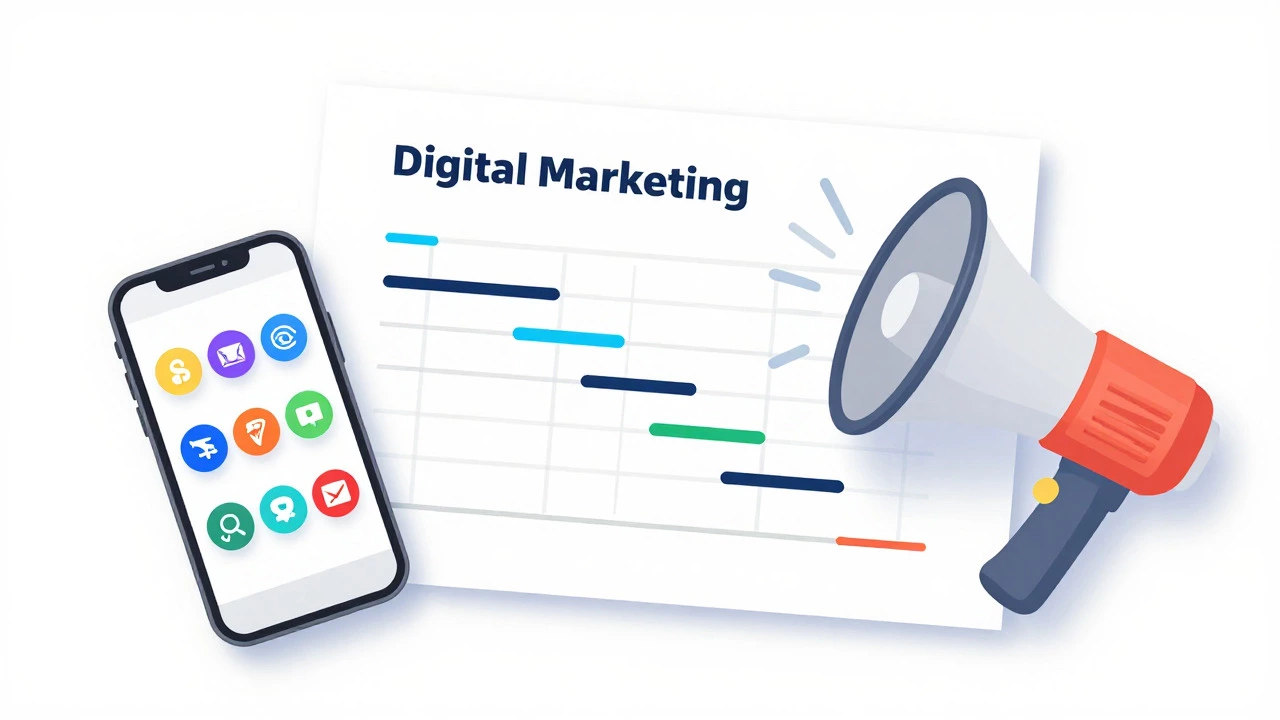
Marketing is everywhere, which makes it intuitive. You already use social media; you already understand why an ad caught your eye. Courses in Digital Marketing focus on concepts like SEO (Search Engine Optimization), content strategy, and email marketing.
Why is this easy? Because the tests usually ask you to identify best practices rather than solve equations. For example, a question might ask, "Which subject line is more likely to get clicks?" You can often answer these using logic. Google offers a highly respected Google Digital Garage certification that is free, self-paced, and considered one of the most accessible entry points into the industry.
2. Project Management Basics
Have you ever planned a holiday or organized a dinner party? Congratulations, you have project management experience. Formal courses teach you the vocabulary-terms like "stakeholders," "milestones," and "Gantt charts." While professional certifications like PMP (Project Management Professional) are rigorous, introductory courses are straightforward.
Courses offered by institutions like Google or Harvard via edX cover the lifecycle of a project. The assessments are typically scenario-based. You read a situation and choose the correct managerial response. It’s less about being right or wrong and more about applying structured thinking. This is a massive resume booster for anyone moving into leadership roles.
3. Data Literacy and Excel Skills
Don’t let the word "data" scare you off. We aren’t talking about advanced data science or machine learning algorithms. We are talking about basic data literacy. Can you read a chart? Do you know how to use VLOOKUP in Microsoft Excel?
Many employers struggle to find staff who can confidently manipulate spreadsheets. An introductory Excel course is incredibly linear. You follow step-by-step instructions: click here, type this formula, see the result. The feedback is immediate. If the number appears, you did it right. There is no ambiguity. Platforms like LinkedIn Learning offer bite-sized modules that take under two hours to complete.
4. First Aid and Safety Certifications
Sometimes, the easiest course is the one with the highest practical value. Basic First Aid, CPR, or workplace safety certifications are standardized globally. The content is factual and repetitive, which aids memory.
In Australia, organizations like Red Cross or St John offer blended learning options where you do the theory online and a brief practical assessment. The online portion is essentially reading and answering questions based on the text. It’s difficult to fail if you pay attention. Plus, having a current first aid cert is a requirement for many hospitality and retail jobs, making it a high-ROI (Return on Investment) choice.
| Course Type | Typical Duration | Difficulty Level | Best For |
|---|---|---|---|
| Digital Marketing | 4-8 weeks | Low | Creatives, Entrepreneurs |
| Project Management Intro | 2-4 weeks | Low-Medium | Team Leads, Coordinators |
| Excel/Data Basics | 1-5 hours | Very Low | Office Admins, Analysts |
| First Aid/CPR | 1-2 days | Low | Retail, Hospitality, Teachers |
Where to Find These Courses
The platform you choose matters as much as the topic. Some sites are known for academic rigor, while others prioritize accessibility. Here is where you should look for the path of least resistance:
- Udemy: Known for its vast library of affordable courses ($10-$20 during sales). The quality varies, so check reviews. Look for courses with "Beginner Friendly" tags. The assessments are often optional or very simple quizzes.
- Coursera & edX: These host university-level content. However, they also offer "Professional Certificates" created by companies like Google and IBM. These are structured but guided. You can often "audit" the course for free (access materials without a certificate) or pay a small monthly fee for the credential.
- LinkedIn Learning: Integrated directly into your professional profile. The courses are short (often 1-2 hours total) and focused on specific software or soft skills. Completing them automatically adds the certificate to your LinkedIn, which saves time.
- OpenLearn (The Open University):** Based in the UK but accessible globally, this platform offers free short courses. They are non-accredited but provide a statement of participation. Great for testing the waters without financial risk.
Pitfalls to Avoid When Seeking "Easy"
It is tempting to chase the lowest hanging fruit, but there are traps. Here is how to ensure your "easy" course doesn’t end up being a waste of time:
- Avoid "Diploma Mills": If a website promises a "Master’s Degree" in 24 hours for $50, run. Legitimate certificates come from recognized providers (universities, established tech companies, or accredited training bodies). Check if the provider has a Wikipedia page or a strong industry reputation.
- Check the Expiration Date:** Some certifications, particularly in IT and Safety, expire after one or two years. Ensure the effort you put in now will still be valid when you apply for jobs next year.
- Beware of Hidden Costs:** Many platforms advertise "Free Courses" but charge $50-$100 for the actual certificate. Decide upfront if you need the physical/digital proof or if the knowledge itself is enough.
How to Choose the Right One for You
Still stuck? Ask yourself these three questions:
1. What is my goal? If you want a job switch, pick a skill tied to a role (e.g., Excel for admin, Marketing for sales). If you just want to feel accomplished, pick a hobbyist course (e.g., Photography basics).
2. How much time do I have? Be honest. If you only have Sunday mornings, avoid anything longer than four weeks. Micro-credentials are your friend here.
3. What is my learning style? Do you hate reading? Avoid text-heavy courses. Look for video-based tutorials with hands-on exercises. Do you hate speaking? Avoid courses with presentation assignments.
Making It Stick
Getting the certificate is the easy part. Using the knowledge is where the value lies. Don’t just download the PDF and forget it. Apply what you learned immediately. If you took an Excel course, reorganize your personal budget spreadsheet. If you took a marketing course, try writing a better bio for your social media profiles.
The easiest course to get is the one you actually finish. Start small, build momentum, and remember that every expert was once a beginner who just clicked "Start Course."
Is a free online certificate worth anything?
Yes, but with caveats. Free certificates show initiative and basic knowledge. However, paid certificates from reputable providers (like Google, Microsoft, or universities) carry more weight with recruiters because they involve vetted assessment standards. Use free courses to learn, but invest in certified ones for career pivots.
What is the fastest certification I can get online?
Software-specific micro-certifications, such as those for Microsoft Office tools or basic HTML/CSS, can often be completed in under 10 hours. Platforms like LinkedIn Learning offer paths that can be finished in a single weekend. These are ideal for boosting your resume quickly without a long-term commitment.
Do employers care about Coursera or Udemy certificates?
Employers care about the skills behind the certificate. A certificate from a recognized institution (like a university partner on Coursera) looks better on paper. However, if you can demonstrate the skill in an interview or portfolio, the source of the certificate matters less. It is the proof of competency that counts.
Can I get a degree easily online?
Not really. While online degrees are flexible, they are rarely "easy" in terms of workload. They require the same academic rigor as on-campus programs. If you are looking for ease, stick to short-course certificates or diplomas rather than full bachelor's or master's degrees, which take years to complete.
What is the difference between a certificate and a certification?
A certificate is awarded for completing a course (like a workshop). A certification is a professional credential earned by passing an exam, often requiring ongoing renewal (like PMP or AWS Certified Cloud Practitioner). Certifications generally hold more professional weight and are harder to obtain than simple course completion certificates.