
Exam Caffeine Timing & Dose Optimizer
Your Personalized Plan:
Key Takeaways
- Moderate caffeine can improve alertness and reaction time, but too much triggers anxiety.
- Timing is everything; caffeine peaks in the blood about 30 to 60 minutes after drinking.
- Hydration is non-negotiable; coffee is a diuretic and dehydration causes brain fog.
- Never try a new caffeine source or dose on the morning of a high-stakes test.
The Science of Caffeine and Your Brain
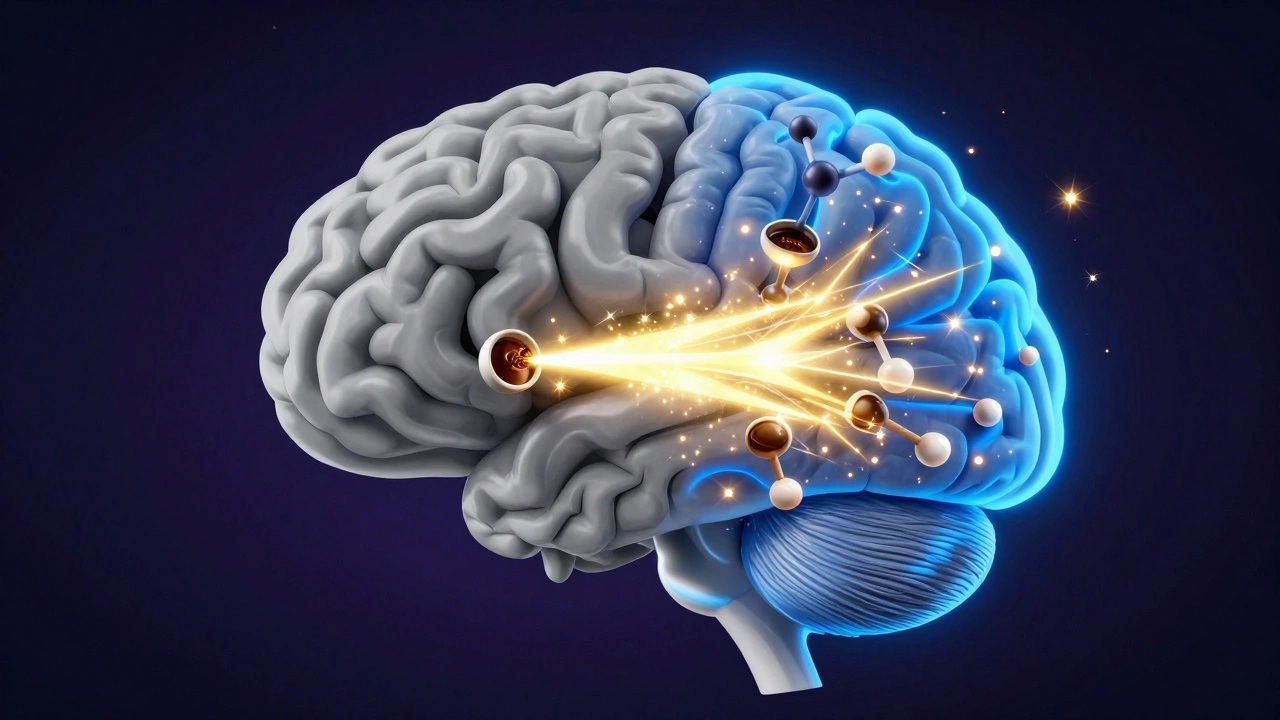
To understand if you should reach for that mug, you first need to know what Caffeine is actually doing. In simple terms, caffeine is a central nervous system stimulant that blocks adenosine receptors in the brain. Adenosine is the chemical that builds up throughout the day to make you feel sleepy. By plugging those receptors, caffeine tricks your brain into staying awake and alert.
When you're in the zone, this creates a surge of Dopamine, which can make you feel more motivated and confident. For some students, this leads to faster processing speeds and better recall of facts. However, there's a tipping point. When the dose is too high, you move from "focused" to "jittery," which can interfere with your working memory-the very thing you need to solve a complex math problem or structure a long-form answer.
The Pros: When Coffee Actually Works
If you're a regular coffee drinker, a morning cup can prevent the dreaded "brain fog" that comes with sleep deprivation. Research into cognitive enhancers shows that moderate amounts of caffeine can improve vigilance and sustained attention. This means you're less likely to misread a question or skip a line of instructions because your eyes are scanning more effectively.
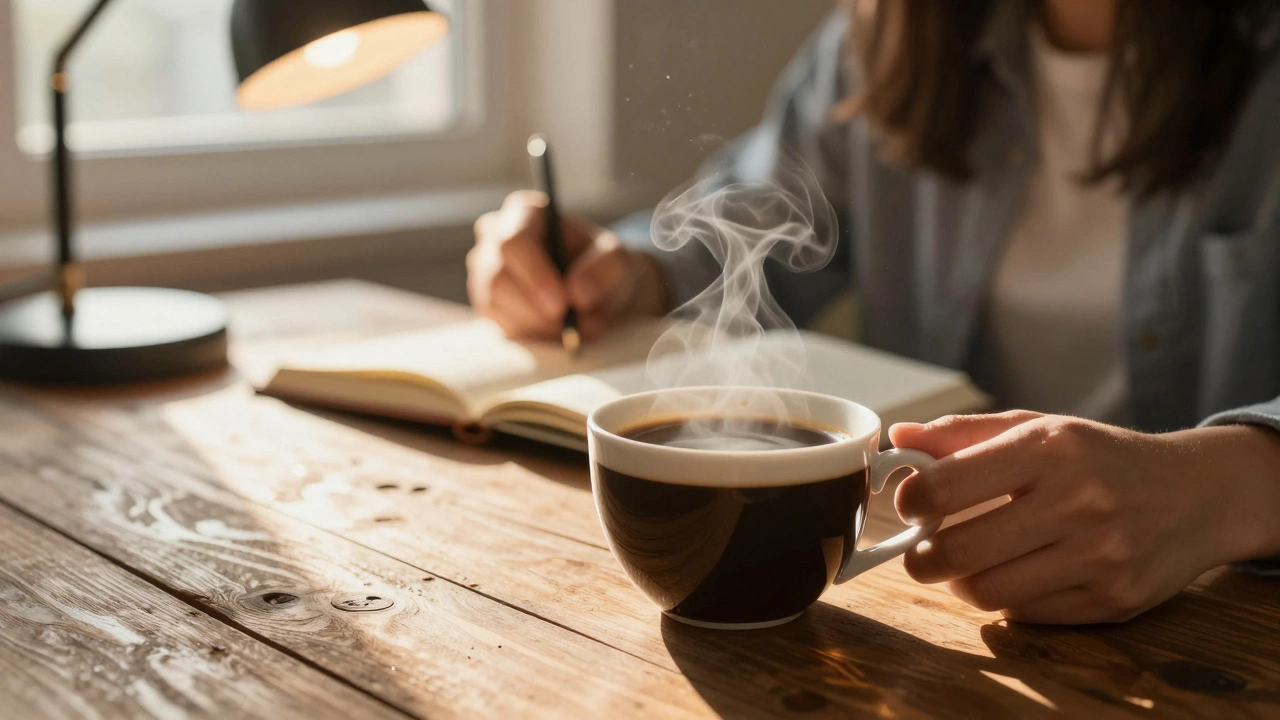
For many, the benefit isn't just chemical; it's psychological. The ritual of drinking coffee can signal to your brain that it's time to work. This is a form of associative learning. If you've spent the last three weeks studying in a library with a latte by your side, having that same drink before the exam can actually trigger a state of readiness and calm through familiarity.
The Cons: The "Caffeine Crash" and Anxiety
The biggest risk of coffee before exam sessions is the relationship between caffeine and Cortisol. Cortisol is the stress hormone your body releases during a high-pressure situation. Since caffeine also stimulates the release of adrenaline, the two can multiply each other. If you're already nervous, a double espresso can push you over the edge into a full-blown anxiety attack, characterized by racing thoughts and physical tremors.
Then there's the gastrointestinal issue. Caffeine stimulates the muscles in your colon, which is a polite way of saying it makes you need to pee or use the bathroom much more frequently. Nothing kills your concentration faster than spending fifteen minutes of your exam time in a stall. Furthermore, if you drink your coffee too early, you might hit the "crash" right as you hit the hardest section of the paper, leaving you feeling exhausted and mentally drained.
| Amount | Likely Effect | Best For... |
|---|---|---|
| None / Decaf | Baseline state, potentially sleepy | People with high anxiety or insomnia |
| 1-2 Small Cups (100-200mg) | Increased alertness, steady focus | Most students, moderate study sessions |
| 3+ Cups or Energy Drinks (400mg+) | Jitters, heart palpitations, anxiety | Almost nobody during a high-stakes exam |
Timing Your Intake for Maximum Performance
If you decide to go the caffeine route, timing is the difference between a peak and a plummet. Caffeine typically reaches its peak concentration in the blood between 30 and 60 minutes after consumption. If your exam starts at 9:00 AM, finishing your coffee by 8:15 AM ensures that the peak alertness hits just as you're reading the first page of the test.
Avoid drinking it too fast. Chugging a large iced coffee in five minutes can lead to a sudden spike and an equally sudden drop. Instead, sip it slowly. This provides a more sustained release of energy. Also, be mindful of the "half-life" of caffeine. It stays in your system for hours, so if you have a second exam later in the afternoon, an oversized morning dose might keep you from getting a restorative nap or a focused lunch break in between.
Smart Alternatives to Black Coffee
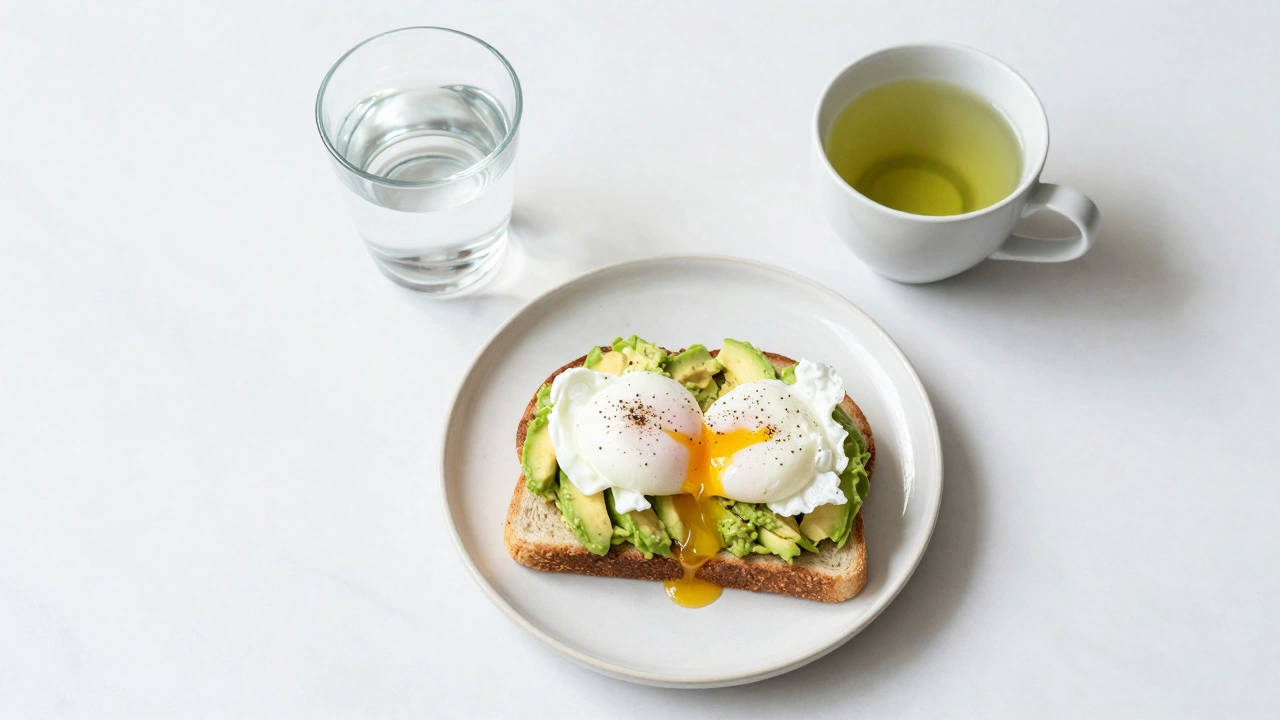
If you find that coffee makes you too twitchy, consider Green Tea. Green tea contains L-theanine, an amino acid that promotes relaxation without causing drowsiness. When combined with a lower dose of caffeine, L-theanine creates a "calm alertness" that is often much more effective for exams than the jagged energy of coffee. It prevents the jitters while keeping the cognitive benefits.
Another option is the "caffeine-protein pairing." Drinking coffee on an empty stomach can lead to a blood sugar spike and crash, which mimics the feeling of anxiety. Pairing your coffee with a breakfast containing proteins and healthy fats-like eggs or avocado toast-slows down the absorption of caffeine and provides a steady stream of glucose to your brain. Your brain runs on glucose, and caffeine only helps you use that fuel; it isn't the fuel itself.
The Golden Rules for Exam Day
The most important rule is: do not experiment on exam day. If you've never drunk coffee before, or if you usually only drink tea, the morning of your final is not the time to try a triple-shot espresso. Your body may react unpredictably, and the stress of the exam can change how you process stimulants.
- Test your routine: During your practice exams or mock tests, use the exact amount of caffeine you plan to use on the real day.
- Hydrate in parallel: For every cup of coffee, drink at least one full glass of water. Dehydration shrinks brain tissue slightly, which can actually impair your memory recall.
- Monitor your heart rate: If you feel your heart racing or your palms sweating, stop drinking the coffee immediately. These are signs that your cortisol levels are too high.
- Prioritize sleep: Caffeine is a tool to manage wakefulness, not a replacement for sleep. Information is consolidated into long-term memory during REM sleep. If you stay up all night drinking coffee, you might be awake, but you won't actually remember what you studied.
Can coffee help me remember facts better during a test?
Caffeine can improve the speed of recall and general alertness, making it easier to retrieve information you've already learned. However, it does not actually "create" memories or help you learn new material faster during the exam. Its primary benefit is reducing the feeling of fatigue and increasing focus.
Will an energy drink be better than coffee?
Generally, no. Energy drinks often contain massive amounts of sugar alongside caffeine. This leads to a rapid insulin spike followed by a "sugar crash," which can leave you feeling exhausted and foggy right in the middle of your exam. Coffee or tea provides a more stable energy curve.
What if I feel too jittery after drinking coffee?
If you've overdone it, drink plenty of water and try some deep breathing exercises to lower your heart rate. Eating a snack with complex carbohydrates or protein can also help stabilize your system. Avoid further stimulants and try to move your body slightly-like a quick walk-to burn off some of that excess nervous energy.
Is it okay to drink coffee if I'm already very anxious?
If you are experiencing high levels of anxiety, it is usually better to avoid coffee. Caffeine mimics the physical symptoms of anxiety (increased heart rate, shaking), which can trick your brain into feeling even more panicked. Opt for herbal tea or just water in these cases.
When is the absolute latest I should drink coffee before a test?
Aim to finish your coffee about 30 to 45 minutes before the start time. This allows the caffeine to enter your bloodstream and reach your brain just as you begin, while also giving you enough time to use the restroom before the papers are handed out.
Next Steps for Your Performance
If you're still unsure, start by tracking your reactions. For the next few study sessions, try a "low-caffeine day" and a "moderate-caffeine day." Note down when you felt most productive and when you felt most distracted. You'll likely find that your personal "sweet spot" is lower than you think.
Regardless of whether you choose coffee, tea, or water, remember that the biggest boost to your exam performance comes from a consistent sleep schedule and a balanced breakfast. Use caffeine as a subtle edge, not as a crutch to replace the fundamentals of brain health.