

Andragogy Strategy Planner
Convert traditional teaching methods into senior-friendly learning strategies
1. Select the Learning Challenge
2. Recommended Andragogy Approach
Click a challenge on the left to generate a customized learning strategy.
Quick Wins for Effective Adult Learning
- Connect to experience: Tie new facts to things they already know.
- Focus on utility: Teach things that solve a real-world problem immediately.
- Prioritize pace: Allow more time for processing and reflection.
- Reduce anxiety: Create a safe space where making mistakes is part of the fun.
- Use multi-sensory tools: Combine reading with listening and doing.
The Science of the Aging Brain
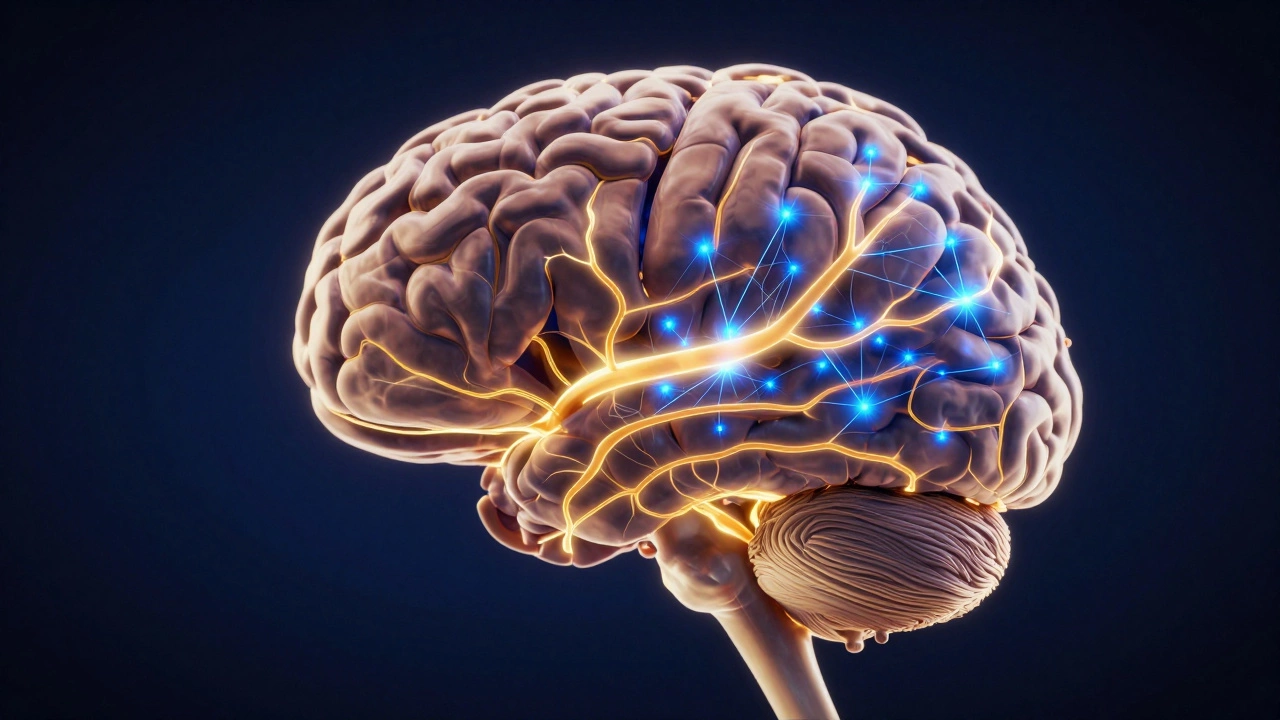
To understand how to teach seniors, we first have to look at what's happening upstairs. While it's true that some processing speeds slow down, the brain remains incredibly adaptable. This is where Neuroplasticity is the brain's ability to reorganize itself by forming new neural connections throughout life comes into play. Even in your 70s or 80s, your brain can grow new connections; it just takes a more intentional path to get there.
Older learners often struggle with fluid intelligence-the ability to solve new problems quickly. However, they excel in crystallized intelligence, which is the accumulation of knowledge and experience. If you're teaching a 65-year-old how to use a tablet, don't start with the technical specs. Instead, compare the tablet's "apps" to a physical filing cabinet or a set of tools in a garage. By leveraging what they already know, you bypass the struggle of fluid intelligence and lean on their strength in crystallized intelligence.
Moving from Pedagogy to Andragogy
Most of our school systems are built on pedagogy, which is the art of teaching children. But older adults require Andragogy is the methods and principles used in adult education, focusing on self-directed and experiential learning . The core difference is autonomy. A child accepts a curriculum because a teacher says so. An older adult needs to know why they are learning something before they'll invest their mental energy into it.
If you are designing a course or helping a parent learn a skill, shift the power dynamic. Instead of being the "expert" leading a student, act as a facilitator. Ask them what they want to achieve first. For example, if an older adult wants to learn about history, they might be more engaged if they can relate the historical events to their own lived experience during a specific decade. When the learner controls the direction, the retention rate skyrockets.
Overcoming the "Cognitive Wall"
One of the biggest hurdles isn't actually cognitive-it's psychological. Many older adults face a fear of failure or a belief that they are "too old" to get it. This creates a mental block that can mimic actual memory loss. To break through this, you need to focus on high-success, low-stakes activities. Start with tasks that are almost impossible to fail at, then gradually increase the difficulty.
Another common issue is sensory decline. It's a simple fact: eyesight and hearing often dip. If a learner is struggling to follow a lecture, it might not be a memory issue; they might simply be missing every third word because of hearing loss. Using clear, high-contrast visual aids and ensuring a quiet environment isn't just a courtesy-it's a requirement for effective andragogy.
| Feature | Child Learning (Pedagogy) | Adult Learning (Andragogy) |
|---|---|---|
| Motivation | External (Grades/Parents) | Internal (Purpose/Utility) |
| Experience | Starting from scratch | Building on a lifetime of knowledge |
| Pace | Fast absorption, low context | Slower absorption, high context |
| Role of Teacher | Authority figure/Director | Facilitator/Guide |
Practical Strategies for Knowledge Retention
Since short-term memory can be a bit leakier in older age, the goal is to move information into long-term storage as quickly as possible. One of the most effective ways to do this is through Spaced Repetition is a learning technique that involves reviewing information at increasing intervals to improve long-term retention . Instead of a four-hour marathon session, try four 30-minute sessions spread across a week.
Active recall is another powerhouse tool. Don't just have the learner read a manual; ask them to explain the concept back to you in their own words. If they can teach it to someone else, they've actually learned it. For instance, if they are learning to use a new banking app, have them perform a transaction and then explain the steps they took. This forces the brain to retrieve the information, which strengthens the neural pathway.
The Role of Social Learning and Community
Learning shouldn't be a solitary act. For older adults, the social aspect of education is often just as important as the subject matter itself. Isolation is a major enemy of cognitive health. When older adults learn in groups, they aren't just exchanging information; they are providing emotional support to one another, which lowers cortisol levels and opens the brain to learning.
Consider the success of Lifelong Learning is the voluntary and self-motivated pursuit of knowledge for personal or professional reasons throughout life centers. These hubs work because they combine intellectual stimulation with social interaction. Whether it's a book club, a community gardening class, or a local tech workshop, the communal environment reduces the anxiety associated with making mistakes and makes the process enjoyable.

Dealing with Technology Frustration
Teaching tech to seniors is where most people fail because they move too fast. The "just click here" approach doesn't work because it doesn't explain the logic of the interface. Older adults grew up with physical buttons and tactile feedback. A touchscreen is an abstract concept. To help them, explain the "why" behind the gesture. Instead of saying "swipe right," explain that they are moving the page out of the way to see what's underneath, similar to flipping a page in a book.
Avoid using jargon. Terms like "the cloud," "syncing," or "cache" mean nothing to someone who didn't grow up with a computer. Use analogies. The "cloud" is just a giant hard drive in another building that you access via the internet. When you replace jargon with conceptual descriptions, the "cognitive wall" disappears, and the learner feels empowered rather than intimidated.
Do older adults actually lose the ability to learn?
No, they don't lose the ability to learn, but the way they learn changes. While processing speed and short-term memory may decline, their ability to synthesize complex information and apply it to real-world scenarios (crystallized intelligence) often remains strong or even improves. The brain's neuroplasticity persists throughout adulthood, meaning new connections can always be formed.
What is the best way to teach a senior who is struggling with memory?
The most effective method is to break information into small, manageable chunks and use spaced repetition. Instead of long lessons, use short bursts of instruction followed by a break. Use multi-sensory aids-like a printed checklist combined with a verbal explanation-and always relate the new information to a memory or experience they already have.
How do I handle frustration when an older adult forgets a step?
Patience is key. When frustration hits, it triggers a stress response that effectively shuts down the learning part of the brain. Redirect the focus to a previous success: "You nailed the login part, let's just look at this next step together." Providing a physical "cheat sheet" with screenshots can also reduce anxiety and give them a sense of independence.
Why is it important to give older learners autonomy?
Adults have a deep psychological need to feel in control of their lives. When they are treated like children in a classroom, they may subconsciously resist the material. By allowing them to choose the topic or the pace, you align the learning process with the principles of andragogy, which increases their motivation and engagement.
Is online learning effective for older adults?
Yes, provided the interface is accessible. Online learning offers the advantage of "self-pacing," which allows older adults to rewind or pause a video as many times as they need. However, it is most effective when combined with a social component, such as a Zoom discussion group or a hybrid model that includes in-person meetups to combat isolation.
Next Steps for Educators and Caregivers
If you're helping an older adult learn, start by assessing their current confidence levels. If they are hesitant, begin with a "win"-a task they can easily complete to build momentum. If you're a professional educator, audit your materials to remove jargon and replace it with analogies based on mid-20th-century technology or life experiences.
For those learners themselves: don't be afraid to ask for things to be explained differently. Your brain isn't "broken"; it's just an experienced machine that requires a different operating manual. The key is to keep the curiosity alive and remember that the goal isn't speed, but mastery and enjoyment.