

School Start Time & Sleep Planner
Enter your child's grade level and desired wake-up time to see if they are getting enough rest according to the staggered bus schedule.
Sleep Analysis
Ever tried dragging a groggy eight-year-old out of bed before the sun is fully up? It’s a daily battle many parents in Rockingham County know all too well. But have you ever stopped to wonder exactly why your child’s alarm goes off at 7:15 AM while their friend across town wakes up an hour later? The answer isn’t just about arbitrary decisions made by administrators; it’s a complex mix of logistics, biology, and local policy.
If you are searching for the specific start times for schools in this region, you’ve come to the right place. Whether you are a new parent moving into the area, a seasoned local trying to coordinate carpool schedules, or a researcher looking at sleep patterns, understanding the bell schedule is crucial for planning your day. This guide breaks down the typical start times, explains the reasoning behind them, and offers practical tips for managing the morning rush without losing your mind.
The Typical Bell Schedule Breakdown
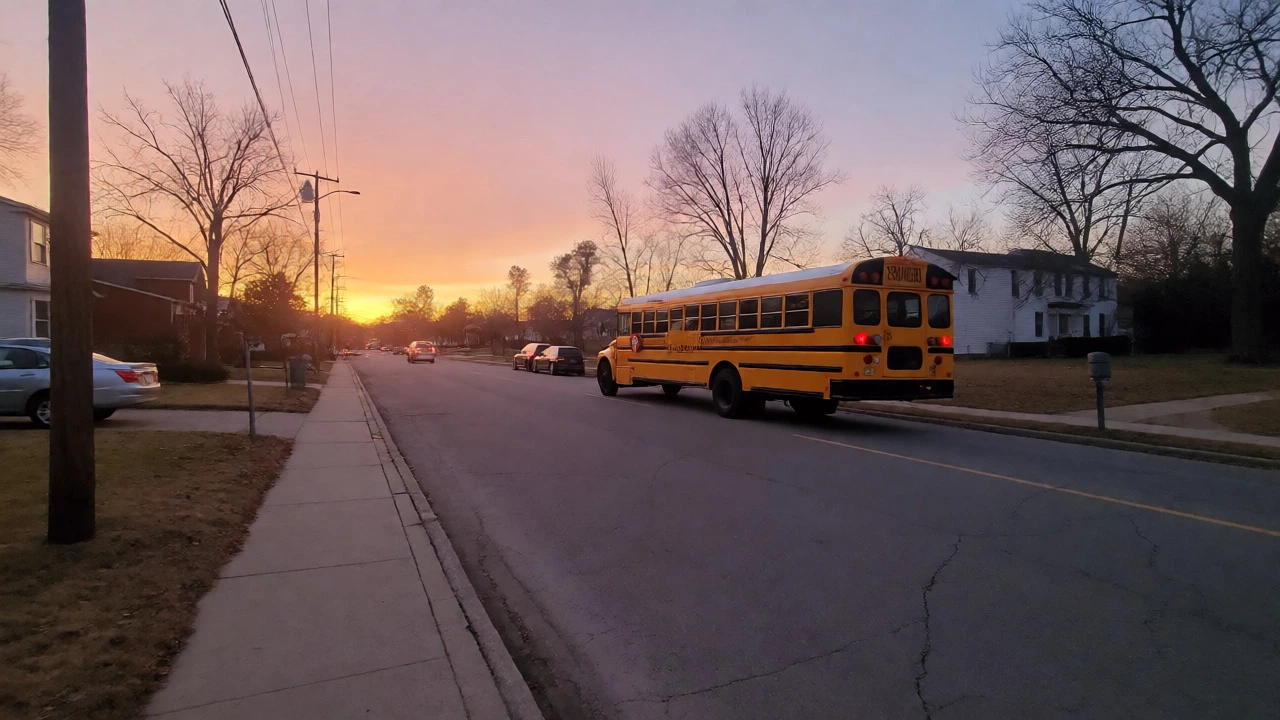
First things first: there is no single start time for every school in the county. Just like most large districts, Rockingham County Public Schools (RCPS) uses a staggered schedule. Why? Because they share one massive fleet of buses. If every school started at the same time, the district would need double the number of buses and drivers to get everyone to class on time. By staggering the starts, they can run multiple routes with the same vehicles.
Generally, the pattern follows a three-tier system based on grade levels. While exact minutes can shift slightly from year to year due to budget adjustments or calendar changes, here is the standard framework you can expect:
- High Schools: Typically start earliest, often between 7:30 AM and 7:45 AM. High schoolers are expected to be more independent, and older students tend to stay up later anyway, so starting earlier helps accommodate sports practices and after-school jobs.
- Middle Schools: Usually start in the middle tier, around 8:00 AM to 8:15 AM. This allows high school buses to drop off their last load before picking up middle schoolers.
- Elementary Schools: Often start latest among the tiers, frequently between 8:30 AM and 9:00 AM. Younger children benefit significantly from sleeping later, and this timing aligns better with their natural circadian rhythms.
It is vital to check the specific school’s website because individual campuses may have slight variations. For instance, a rural elementary school might start at 8:45 AM, while a suburban one nearby starts at 8:30 AM due to different bus route complexities.
Why Do These Specific Times Exist?
You might ask, "Why not let everyone sleep until 9:00 AM?" That sounds nice in theory, but the logistics of transportation make it nearly impossible for a district of this size. The primary driver is cost efficiency. Running a second full set of bus routes costs millions of dollars annually. Staggering start times saves that money, which can then be directed toward classroom resources, teacher salaries, or facility maintenance.
Beyond money, there is the factor of traffic flow. In areas where highways intersect with school zones, having all students arrive simultaneously creates gridlock. Staggered arrivals spread out the peak traffic volume, making the roads safer and reducing commute times for parents who drive their kids to school.
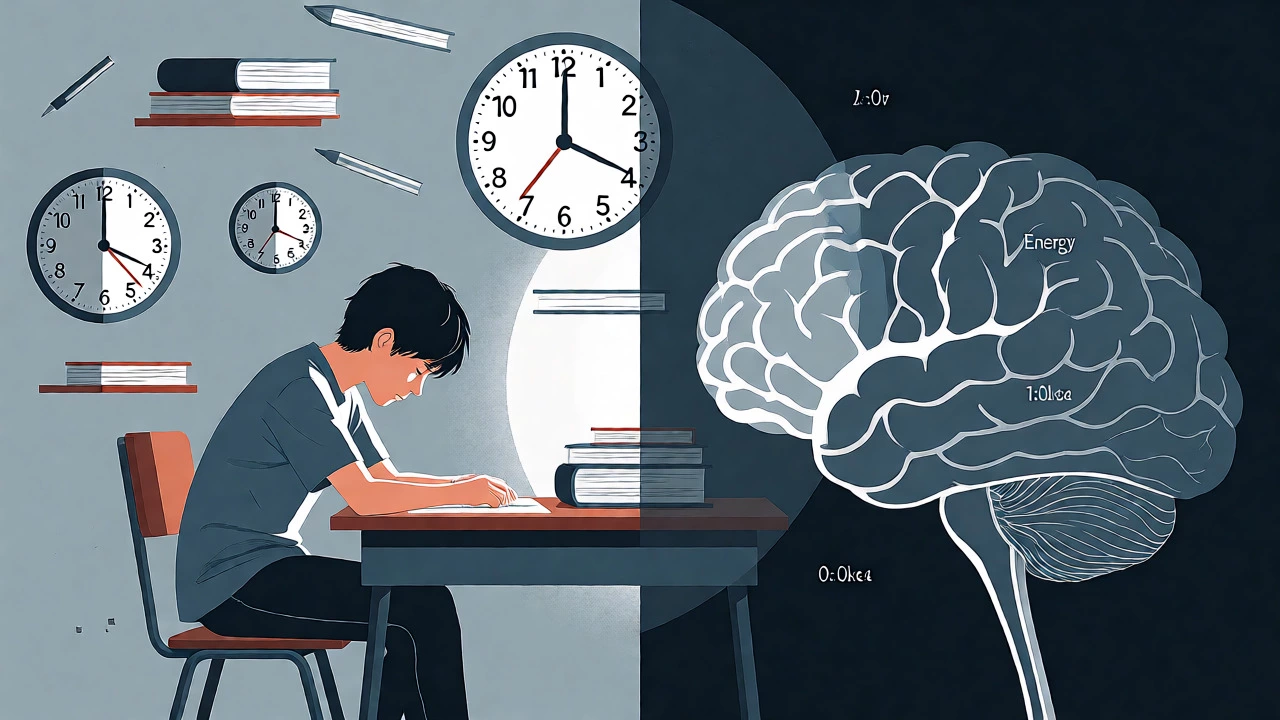
However, educational experts increasingly argue that these logistical benefits come at a biological cost. Research from organizations like the American Academy of Pediatrics suggests that teenagers need more sleep than adults, yet our society forces them to wake up during hours when their brains are still producing melatonin. This disconnect leads to what doctors call "social jetlag," affecting mood, grades, and safety on the road.
Impact on Student Sleep and Health
Let’s talk about the elephant in the room: sleep deprivation. When a high school student has to leave home at 6:45 AM to catch a bus, they are waking up around 6:00 AM. If they went to bed at midnight-which is common for teens doing homework or scrolling through social media-they are getting less than six hours of sleep. The recommended amount for a teenager is eight to ten hours.
This lack of rest doesn’t just mean cranky mornings. Studies show that chronic sleep loss in adolescents correlates with higher rates of anxiety, depression, and obesity. It also impacts academic performance. A study published in the journal Sleep found that shifting high school start times to 8:30 AM resulted in significant improvements in attendance and standardized test scores.
| School Tier | Typical Start Time | Primary Logistics Reason | Common Parent Challenge |
|---|---|---|---|
| High School | 7:30 - 7:45 AM | Bus Route Efficiency | Teen sleep deprivation; dark winter commutes |
| Middle School | 8:00 - 8:15 AM | Intermediate Bus Run | Balancing extracurriculars with homework |
| Elementary | 8:30 - 9:00 AM | Final Bus Run / Traffic Flow | Parent work schedule conflicts |
How to Find Your Exact School’s Schedule
Since generalizations only go so far, you need precise data for your specific situation. Here is how to verify the current bell schedule for your child’s school without guessing:
- Visit the Official District Website: Go to the Rockingham County Public Schools homepage. Look for a section labeled "Schools" or "Calendars." Most sites list individual school profiles with contact info and basic details.
- Check the School-Specific Page: Click on your child’s school name. Many schools post a "Bell Schedule" PDF or image directly on their landing page. This document usually lists arrival times, dismissal times, and late-start days.
- Contact the Front Office: If the information is buried or unclear, call the main office. Ask specifically: "What are the current AM arrival and PM dismissal times?" They can also tell you if there are any upcoming schedule changes.
- Review Transportation Notices: Sometimes, start times are adjusted for weather or special events. Keep an eye on emails from the transportation department, especially during winter months when snow delays might alter the usual routine.
Pro Tip: Save a screenshot of the bell schedule to your phone’s lock screen or home screen. You will thank yourself when you’re rushing out the door and can’t remember if today is a half-day or a regular full day.
Navigating Early Dismissals and Late Starts
In addition to regular start times, you’ll encounter two other common scheduling quirks: early dismissals and late starts. These are critical for working parents to plan childcare or pickup arrangements.
Late Starts: These typically occur on professional development days for teachers. Schools might open 90 minutes later than usual, giving educators time for training. For parents, this means adjusting bedtime the night before or arranging for supervised care if both parents must work. Always check the district calendar for "Teacher Work Days" or "Professional Development Days."
Early Dismissals: These often happen before holidays, during extreme weather warnings, or for administrative meetings. If you rely on the school bus, early dismissal can be tricky if your work schedule doesn’t allow you to pick up your child mid-afternoon. Coordinate with neighbors or grandparents ahead of time for these unpredictable days.
Tips for Managing the Morning Rush
Knowing the time is half the battle; getting out the door on time is the other half. Here are some strategies that actually work for families dealing with early starts:
- Prep the Night Before: Lay out clothes, pack lunches, and fill water bottles before bed. Decision fatigue in the morning slows everyone down.
- Create a Visual Routine: For younger kids, use a chart with pictures showing steps like "Wake Up," "Brush Teeth," "Get Dressed," and "Eat Breakfast." This reduces nagging.
- Adjust Bedtimes Gradually: If your child struggles with early wake-ups, try shifting their bedtime back by 15 minutes every few days until they reach the optimal sleep duration.
- Batch Tasks: Group similar activities. Shower, dress, and groom in one sequence rather than jumping back and forth between rooms.
Remember, consistency is key. Kids thrive on routine. Once you establish a rhythm that fits the school’s start time, stick to it-even on weekends-to minimize the "Sunday Scaries" effect.
Frequently Asked Questions
Do all Rockingham County schools start at the same time?
No, they do not. The district uses a staggered schedule to optimize bus routes and traffic flow. Generally, high schools start earliest, followed by middle schools, and then elementary schools. Check your specific school's website for exact times.
Why do high schools start so early?
Primarily for logistical reasons involving transportation. By starting high schools first, the district can use its limited fleet of buses to transport high school students first, then re-route those buses to pick up middle and elementary students later. This saves significant operational costs.
Are there late start days for students?
Yes, late start days are common for teacher professional development. On these days, students arrive approximately 90 minutes later than the regular bell schedule. These dates are published on the district-wide academic calendar at the beginning of the school year.
What happens if I miss the bus?
If you miss the bus, you will need to arrange alternative transportation. Some schools offer a late bus service, but this varies by location and level. Contact the school's front office or the transportation department to confirm if a late bus option exists for your child's school.
Does the start time change during daylight saving time?
Usually, the clock time remains the same, but the sunrise and sunset shifts. This can affect visibility during morning commutes, especially in winter months when students may walk to bus stops in the dark. Drivers should exercise extra caution near bus stops during these transition periods.