

Tutor Title Knowledge Quiz
How Well Do You Know Tutor Titles?
Test your knowledge about the different titles used for private tutors. Each question has one correct answer.
Results
Ever sat in a quiet room with a tutor and wondered, what do they actually call themselves? It sounds simple, but the truth is, there’s no single answer. A private tutor might walk into your home calling themselves a coach, a mentor, or even a learning specialist. The title changes based on what they’re teaching, who they’re teaching, and how they want to be seen. This isn’t just semantics-it affects how students, parents, and even tutors themselves understand the role.
Common Names for Private Tutors
Most people assume a private tutor is just called a ‘tutor.’ But in practice, you’ll hear a lot more. In Australia, where I live in Adelaide, parents often ask for a ‘maths tutor’ or ‘English tutor’-the subject comes first. That’s practical. But the person delivering the lessons? They might use a different label.
- Tutor - The most common and neutral term. Used in schools, agencies, and private contracts. Simple. Clear. No fluff.
- Coach - Often used in test prep, sports, or study skills. A coach implies ongoing support, not just one-off lessons. If someone says they’re a ‘SAT coach,’ they’re likely focused on strategy, timing, and mindset-not just content.
- Mentor - More personal. Used when the relationship goes beyond academics. A mentor might help with confidence, study habits, or even career advice. Common in high school and university settings.
- Private Instructor - Sounds formal. Often used by music teachers, language tutors, or those with formal certifications. You’ll see this on websites of piano tutors or French tutors who’ve trained at universities.
- Learning Specialist - Used by tutors who work with students who struggle in traditional classrooms. This term often signals experience with dyslexia, ADHD, or other learning differences.
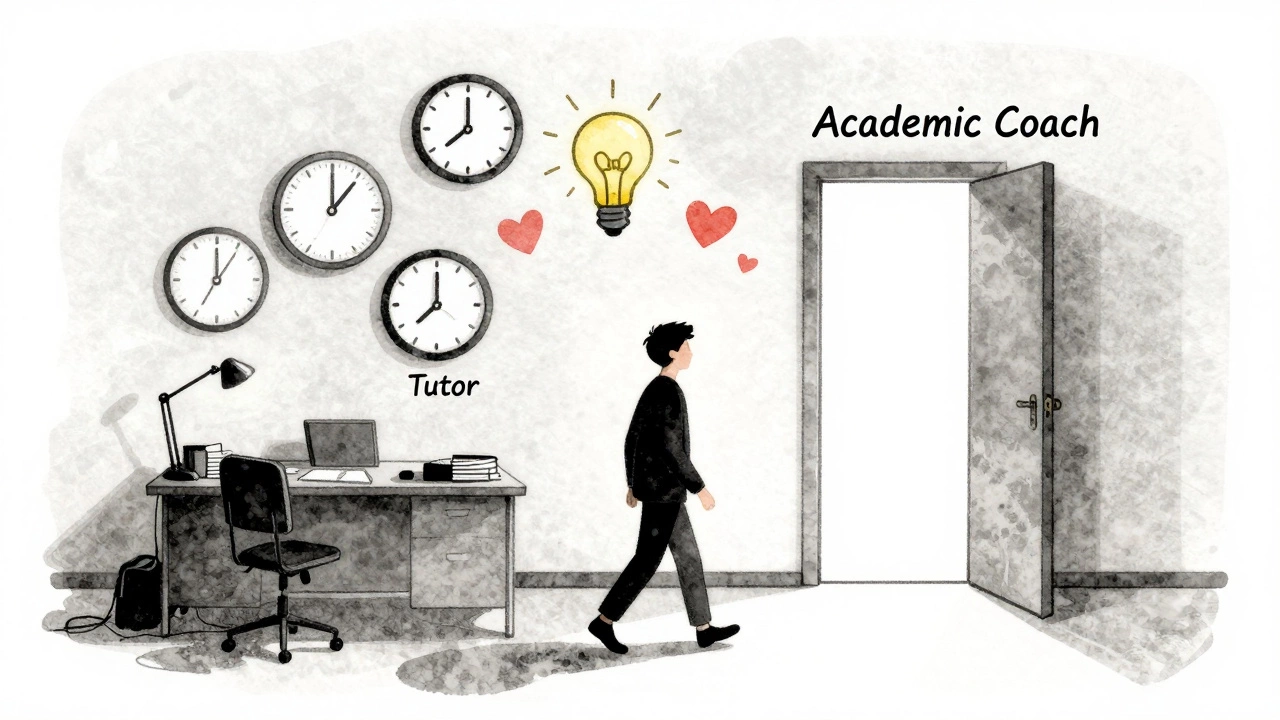
- Academic Coach - Popular in private education circles. Suggests a holistic approach: time management, organization, motivation, and subject mastery.
- Subject Expert - Rarely used in conversation, but common on LinkedIn or professional profiles. It’s a way to say, ‘I know this topic inside out.’
These aren’t random labels. Each one shapes expectations. If you hire a ‘tutor,’ you’re likely expecting homework help. If you hire a ‘mentor,’ you’re signing up for something deeper. The name tells you what kind of support you’re getting.
Why the Title Matters
Think about it: if a parent sees ‘math tutor’ on a flyer, they picture someone who helps with fractions and equations. But if they see ‘math coach,’ they might imagine someone who helps their child stop panicking during tests. Same subject. Different approach.
A 2024 survey of 1,200 Australian families using private tutors found that 68% chose a tutor based on their title. Not their qualifications. Not their price. Their label. Parents who wanted long-term confidence-building went for ‘mentor’ or ‘academic coach.’ Those needing quick exam help picked ‘tutor’ or ‘exam specialist.’
The same person might use different titles depending on who they’re talking to. A university graduate tutoring calculus might say ‘tutor’ to parents, but ‘research assistant’ on their LinkedIn profile. Why? Because context changes perception.
What Tutors Call Themselves in Different Fields
The title isn’t one-size-fits-all. It shifts with the subject.
- Math and Science - Usually ‘tutor’ or ‘private instructor.’ Sometimes ‘problem-solving coach’ for advanced students.
- Language Learning - Often ‘language coach’ or ‘conversation partner.’ Some avoid ‘tutor’ entirely because it sounds too academic. They say, ‘I help you speak naturally.’
- Exam Prep (NAPLAN, VCE, HSC, SAT) - Almost always ‘exam coach’ or ‘test strategist.’ They focus on timing, stress management, and pattern recognition-not just content.
- Music and Arts - Rarely called ‘tutors.’ More likely ‘instructor,’ ‘teacher,’ or ‘private instructor.’ A violin tutor? No. A violin instructor. That’s the norm.
- Special Needs - ‘Learning specialist,’ ‘educational therapist,’ or ‘academic support worker.’ These titles carry weight. They signal training beyond tutoring.
Even within the same subject, titles vary by region. In Adelaide, you’ll hear ‘tutor’ more than ‘coach.’ In Melbourne, ‘academic coach’ is trending. In Sydney, ‘learning specialist’ is common in private schools. It’s not just about the person-it’s about the culture around education.

What’s Not a Tutor?
Not everyone who teaches privately is a tutor. A teacher works in a classroom with 25+ students. A lecturer teaches at a university. A trainer teaches skills like first aid or software. None of these are tutors.
A tutor works one-on-one (or in very small groups). They adapt to the student’s pace. They don’t follow a curriculum-they build one. That’s the key difference.
Some people confuse tutors with homework helpers. But a homework helper just checks answers. A tutor digs into why the student got it wrong. They fix the gap in understanding. That’s why titles like ‘learning specialist’ or ‘academic coach’ are becoming more popular-they reflect the depth of what’s really happening.
Choosing the Right Title for Yourself
If you’re a tutor, what should you call yourself? Start by asking: What do my students need?
- Do they need quick help with homework? Go with ‘tutor.’
- Do they freeze up during tests? Try ‘exam coach.’
- Do they lack confidence or organization? ‘Academic coach’ or ‘mentor’ fits better.
- Are they neurodivergent or struggling in school? ‘Learning specialist’ sets the right tone.
Your title isn’t just a label. It’s a promise. If you call yourself a ‘coach,’ you’re promising growth. If you call yourself a ‘tutor,’ you’re promising clarity. Pick the word that matches your real impact.
How Parents and Students Find Tutors
Most parents search online using phrases like:
- ‘Best maths tutor near me’
- ‘VCE English coach Adelaide’
- ‘Learning specialist for dyslexia’
Google’s search data from late 2025 shows that searches for ‘academic coach’ grew 42% in Australia over the past year. Searches for ‘tutor’ stayed flat. That’s not an accident. More families are looking for transformation-not just correction.
That’s why it matters what you call yourself. If you’re a tutor who helps students rewrite their relationship with learning, don’t hide behind the word ‘tutor.’ Use a name that reflects your real value.
Final Thought: It’s Not About the Title. It’s About the Transformation.
At the end of the day, no one remembers whether their tutor called themselves a ‘coach’ or a ‘specialist.’ What they remember is how they felt after the lesson. Did they finally get it? Did they stop hating maths? Did they walk out with confidence?
So if you’re looking for one, don’t get stuck on the title. Look at the results. Ask: What has this person actually changed for their students? The name might change. The impact shouldn’t.
Is a private tutor the same as a teacher?
No. A teacher works in a classroom with many students and follows a set curriculum. A private tutor works one-on-one or in very small groups, tailoring lessons to the student’s needs, pace, and learning style. Tutors fix gaps teachers can’t always address in a busy classroom.
Can anyone call themselves a tutor?
Yes-there’s no legal restriction in Australia on using the word ‘tutor.’ But reputable tutors usually have qualifications, experience, or references. Some use titles like ‘certified tutor’ or ‘qualified instructor’ to stand out, though these aren’t officially regulated. Always ask about their background.
What’s the difference between a tutor and a coach?
A tutor focuses on teaching subject content-like how to solve an equation or write an essay. A coach focuses on the process: how to study, how to manage time, how to stay calm under pressure. Many tutors now blend both-teaching content while coaching habits. The line is blurring, but the intent is different.
Do tutors need certifications?
Not legally, but many have them. In Australia, some tutors hold a Certificate IV in Training and Assessment, or have teaching degrees. Others are university students with high marks in their subject. Certifications help build trust, but experience and results matter more to most families.
Why do some tutors charge more than others?
It’s not just about qualifications. Tutors with years of experience, strong results (like improved exam scores), or niche expertise (like VCE Physics or IB Chemistry) charge more. Those using titles like ‘academic coach’ or ‘learning specialist’ often charge higher rates because they offer broader support beyond subject content.
Is ‘private tutor’ the same as ‘home tutor’?
Almost always, yes. ‘Private tutor’ means one-on-one, paid instruction. ‘Home tutor’ just means the lessons happen at the student’s house. But some private tutors meet online, in libraries, or at cafes. The location doesn’t change the role-it’s still a private tutor.
Whether you’re hiring one or becoming one, remember: the name is just the first word. The real story is what happens after the door closes and the lesson begins.