

Study Nutrient Optimizer
Select the symptoms or goals that best describe your current study state to find the right nutritional support:
Your Recommended Focus: -
Quick Takeaways for Study Fuel
- Omega-3s are non-negotiable for long-term brain structure and memory.
- B-vitamins act as the spark plugs for your energy levels and mental clarity.
- Vitamin D is the hidden player that prevents that "mid-winter brain fog."
- Magnesium is your best bet for calming exam anxiety and improving sleep quality.
- Whole foods always beat synthetic pills for overall nutrient absorption.
The Foundation of Brain Power: Omega-3 Fatty Acids
If your brain were a building, Omega-3 Fatty Acids is the structural steel that holds everything together. Your brain is roughly 60% fat, and a huge portion of that is DHA, a specific type of omega-3. When you're cramming for an exam, your neurons are firing constantly. Omega-3s help maintain the fluidity of cell membranes, making it easier for signals to jump from one neuron to another.
Imagine your brain cells are trying to shake hands. Without enough omega-3s, those hands are stiff and slow. With them, the connection is seamless. Research from the Oxford University cognitive studies suggests that people with higher levels of omega-3s often perform better on tasks requiring high attention and memory recall. Instead of just popping a pill, think about eating wild-caught salmon or walnuts. If you're vegan, look for an algae-based supplement to get that crucial DHA directly without the fishy aftertaste.
Energy and Mental Clarity: The B-Vitamin Complex
Ever feel that sudden wall of exhaustion at 3 PM? That's often where B-Complex Vitamins come in. These aren't just one vitamin, but a group including B6, B9 (folate), and B12. They are the primary tools your body uses to convert the glucose from your snacks into usable cellular energy (ATP).
Specifically, Vitamin B12 is essential for maintaining the myelin sheath-the insulating layer around your nerves. When this layer wears thin, your processing speed drops. It's like trying to run a high-speed internet connection through an old, frayed cable. If you follow a plant-based diet, you're at a higher risk for B12 deficiency because it's mostly found in animal products. A deficiency here doesn't just make you tired; it can lead to actual memory loss and confusion, which is the last thing you need during a chemistry final.
Beating the Brain Fog: Vitamin D and Cognitive Function
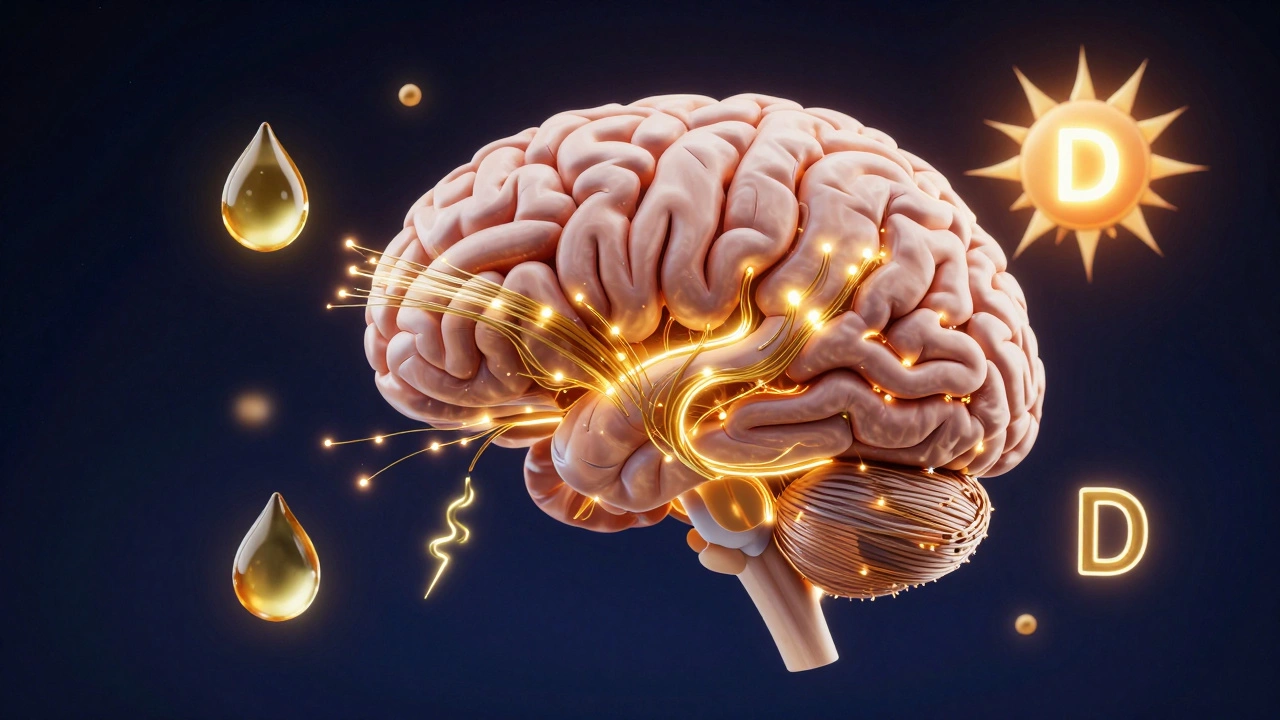
Many students ignore Vitamin D because they think of it as a "bone vitamin." However, Vitamin D receptors are located all over the brain, including the hippocampus, which is the center for learning and memory. In places like the UK or Canada during winter, or even in Australia during a rainy spell, a lack of sunlight leads to a drop in Vitamin D, which often manifests as "brain fog."
This isn't just a feeling. Low Vitamin D levels are linked to slower processing speeds and a decreased ability to focus on complex tasks. It's hard to memorize a legal brief or a complex mathematical formula when your brain feels like it's wrapped in cotton wool. While a 15-minute walk in the sun is the gold standard, a supplement can bridge the gap during those grueling weeks when the library becomes your only home.
Stress Management and Sleep: The Role of Magnesium
You can't study effectively if you're vibrating with anxiety or staring at the ceiling at 2 AM. This is where Magnesium earns its keep. It's a mineral that regulates neurotransmitters and helps the brain switch off after a long day of intense mental work. Magnesium binds to GABA receptors in the brain, which helps quiet down the "noise" and allows you to actually fall asleep.
When you're stressed, your body dumps magnesium into your urine, meaning the more stressed you are about your exams, the less magnesium you have, which in turn makes you more stressed. It's a vicious cycle. Taking magnesium glycinate-a highly absorbable form-before bed can help you hit that deep REM sleep where your brain actually encodes the information you learned during the day into long-term memory. Without that sleep, the hours you spent studying are largely wasted.
| Nutrient | Primary Study Benefit | Best Food Source | Typical 'Low' Symptom |
|---|---|---|---|
| Omega-3 | Memory & Neural Speed | Salmon, Chia Seeds | Forgetfulness, Distraction |
| B12 | Energy & Nerve Health | Eggs, Beef, Dairy | Extreme Lethargy, Fog |
| Vitamin D | Mood & Mental Clarity | Sunlight, Cod Liver Oil | Low Motivation, Sadness |
| Magnesium | Stress & Sleep Quality | Spinach, Dark Chocolate | Insomnia, Muscle Tension |
The "Nootropic" Trap: Beware of Synthetic Shortcuts
If you search for study aids, you'll see a lot of talk about Nootropics-"smart drugs" or synthetic cognitive enhancers. While some are based on natural extracts, many are just overpriced caffeine pills with a fancy name. The problem with relying on high-dose synthetic stimulants is the "crash." You might get four hours of hyper-focus, but it's usually followed by six hours of total mental collapse.
A more sustainable approach is focusing on best vitamins for studying that support the brain's natural architecture rather than forcing it to over-clock. For example, instead of a high-stimulant pill, try L-theanine (found in green tea) paired with a small amount of caffeine. The L-theanine smooths out the caffeine jitters, giving you a state of "relaxed alertness" that is far more conducive to deep work than the erratic energy of a triple-shot espresso.

Building a Study-Ready Diet Plan
Vitamins don't work in isolation. If you take a B-complex but eat nothing but processed sugar, your brain will still struggle. The goal is a synergistic approach. Start your day with a breakfast rich in healthy fats-think avocado toast with eggs. This provides the Omega-3s and B-vitamins needed to kickstart your concentration.
Mid-day, avoid the "carb coma." Huge bowls of pasta or sugary sandwiches cause an insulin spike followed by a crash, which makes your brain feel sluggish regardless of how many vitamins you've taken. Opt for berries, nuts, and lean proteins. Blueberries, in particular, contain anthocyanins that have been shown to improve communication between brain cells, effectively acting as a natural cognitive booster.
Can I take these vitamins and skip sleep?
Absolutely not. Vitamins support the brain's hardware, but sleep is when the "software update" happens. Your brain flushes out metabolic waste and consolidates memories during sleep. No amount of B12 or Omega-3 can replace the cognitive restoration that happens during a 7-8 hour sleep cycle.
When is the best time to take study vitamins?
B-vitamins are best taken in the morning because they boost energy. Omega-3s and Vitamin D are fat-soluble, meaning they should be taken with a meal containing fat for better absorption. Magnesium is best taken in the evening to help you wind down and improve sleep quality.
Will a multivitamin be enough?
Multivitamins are a good safety net, but they often contain low doses of the most critical brain nutrients. For instance, the amount of Omega-3 in a standard multi is usually negligible. If you have a specific deficiency (like B12 for vegans or Vitamin D for those in cold climates), a targeted supplement is much more effective.
Are there any side effects to taking these supplements?
Most are safe in recommended doses, but too much of certain vitamins (like Vitamin A or D) can be toxic because they store in your fat. Always follow the dosage on the label or, better yet, get a blood test to see what you're actually missing before starting a high-dose regimen.
Do vitamins actually help with exam anxiety?
They don't cure anxiety, but they can lower the physiological baseline of stress. Magnesium helps regulate the stress response, and Omega-3s support the health of the prefrontal cortex, which helps you manage your emotions and stay calm under pressure.
Next Steps for Your Brain Health
If you're feeling overwhelmed, don't try to change everything overnight. Start by adding one brain-boosting food-like a handful of walnuts-to your daily routine. If you suspect a deficiency, a quick trip to a GP for a blood panel can tell you exactly which supplement you need, saving you money on pills that might not do anything for your specific body chemistry.
For those in the middle of a high-stress period, focus on the "Big Three": Hydration, Omega-3s, and Magnesium. Keeping your brain hydrated prevents the slight shrinkage of brain tissue that occurs during dehydration, which can significantly drop your concentration levels. Pair that with the right nutrients, and you've given yourself the best possible biological advantage for your exams.