

Career Path & Course Recommendation Tool
Find Your Best Learning Path
Why This Matters
In 2026, employers value specialized hybrid skills over generic certificates. This tool helps you identify high-ROI learning paths based on actual market demand.
- Focus on AI integration
- Data literacy skills
- Portfolio over certificates
There is no single "best" course because your life isn't generic. If you are staring at a blank browser tab wondering what to study next, you are likely feeling one of two things: anxiety about falling behind or excitement about starting something new. In 2026, the landscape has shifted again. The days of getting rich quick with basic drop-shipping or simple copywriting are gone. Employers and clients now look for specialized, hybrid skills that combine human judgment with technical proficiency.
To find the right path, we need to strip away the noise from social media ads and look at actual market data, salary trends, and skill gaps. This guide breaks down the most valuable online courses that offer real returns on investment this year.
Key Takeaways
- The highest ROI courses in 2026 focus on AI integration, data literacy, and specialized trade skills.
- Don't chase certificates alone; build a portfolio that proves you can solve specific problems.
- Short-term bootcamps work for coding, but long-term mastery requires consistent practice over months.
- Your current role dictates your next step more than your passion does.
Why "Best" Depends on Your Current Job
Before spending money, ask yourself: what problem am I trying to solve? Are you stuck in a dead-end job? Do you want to pivot industries entirely? Or do you just need a raise in your current field?
If you are currently working in marketing, sales, or customer support, the best course for you is not "How to Code." It is AI Workflow Automation. Companies are desperate for people who can use tools like Zapier, Make.com, or custom Python scripts to automate repetitive tasks. You don't need to be a software engineer. You just need to understand how to connect apps so they talk to each other. This skill makes you ten times more productive overnight.
If you are in finance, healthcare, or logistics, the answer is Data Analytics. Specifically, learning SQL and Tableau or Power BI. Every industry generates data, but few people know how to read it. Being the person who can turn a messy spreadsheet into a clear visual report is a superpower that commands higher salaries across all sectors.
Top High-Demand Skills for 2026
Let's look at the specific skills that are hiring right now. These aren't guesses; they are based on job posting trends from major employment platforms throughout early 2026.
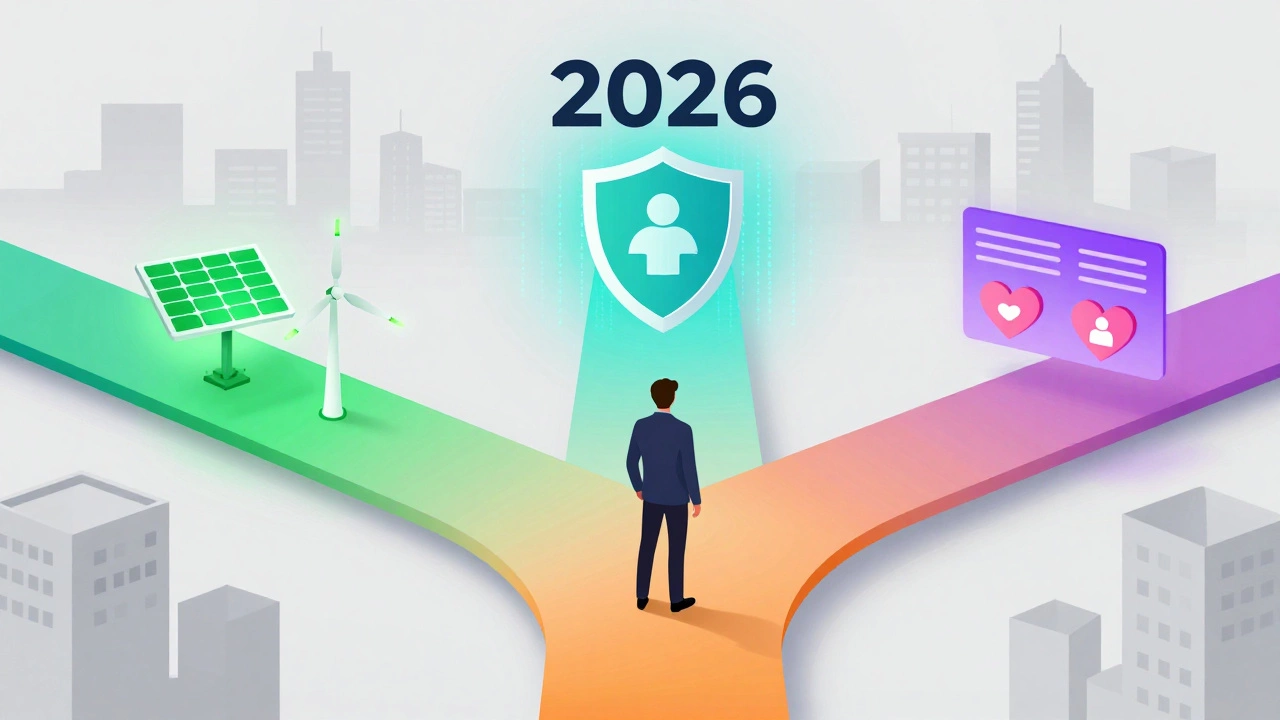
- Cybersecurity Fundamentals: As digital infrastructure grows, security breaches become costlier. Entry-level roles in SOC (Security Operations Center) analysis are abundant. Look for courses that prepare you for CompTIA Security+ or CISSP certifications.
- Sustainable Energy Management: With global pushes toward green energy, there is a shortage of professionals who understand renewable tech regulations and project management. Courses in LEED certification or solar installation are niche but highly paid.
- Human-Centric UX Design: AI can generate code, but it struggles to understand human emotion and frustration. User Experience (UX) design focuses on empathy and testing. Courses that teach Figma and user research methodologies are still very relevant.
- Digital Content Strategy: Not just making videos, but understanding algorithmic distribution, SEO, and community building. Brands need strategists who can navigate the complex landscape of short-form video and interactive content.
Comparing Learning Platforms
Where you learn matters as much as what you learn. Different platforms serve different purposes. Here is how they stack up against each other in 2026.
| Platform | Best For | Cost Range | Credential Value |
|---|---|---|---|
| Coursera | University-backed degrees and professional certs | $39-$79/month | High (recognized by HR departments) |
| Udemy | Specific technical skills (e.g., React, Excel) | $10-$20 per course | Low (portfolio-focused) |
| edX | Academic rigor and computer science fundamentals | Free audit / $150+ for cert | Medium-High |
| LinkedIn Learning | Soft skills and business management | $39.99/month | Medium (good for LinkedIn profile) |
| Pluralsight | IT and tech professionals | $29-$45/month | High (industry standard) |
If you need a credential that looks good on a resume, go with Coursera or edX. They partner with universities like Stanford and MIT. If you just want to learn how to fix a specific bug in your code or master a new Excel function, Udemy is cheaper and faster. Don't pay for a university degree if you only need a tutorial.
Avoiding Common Pitfalls
I see too many people make the same mistakes. First, they buy five courses and finish none. Pick one. Just one. Commit to finishing it before buying another. Second, they confuse watching tutorials with actually doing the work. Watching a video on Python doesn't make you a programmer. Writing code until you cry does.
Another trap is chasing "trendy" topics without checking the job market. Yes, blockchain was huge in 2021. Is it still hiring for entry-level devs? Check local job boards. If there are only three openings in your city, maybe skip the crypto course and pick up cloud computing instead. AWS and Azure certifications have steady, reliable demand.
Building a Portfolio That Gets Hired
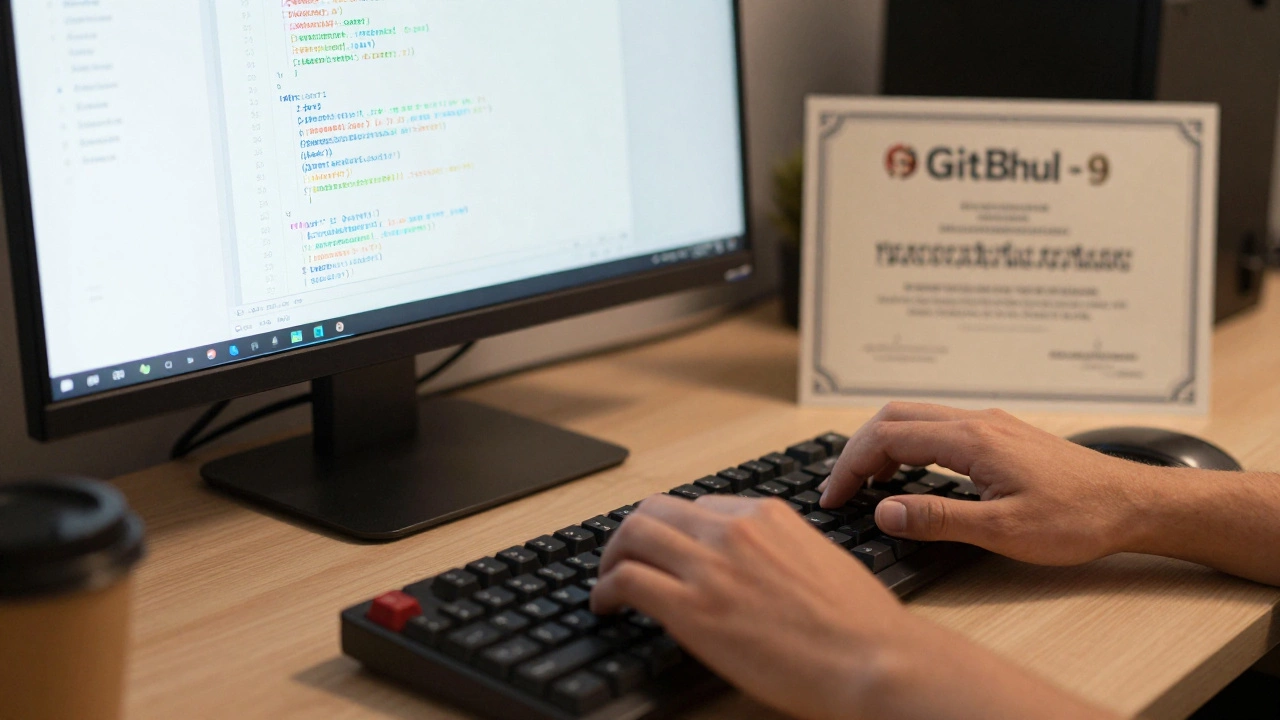
In 2026, certificates are table stakes. Everyone has them. What separates you is proof of work. If you take a web development course, don't just submit the final project. Build a personal website. Create a small app that solves a problem in your daily life. Put it on GitHub.
If you study digital marketing, start a newsletter. Grow it to 1,000 subscribers. Show an employer you can drive traffic and retain users. Real-world results beat classroom grades every time. When applying for jobs, link to your work. Make it easy for recruiters to see what you can do, not just what you studied.
Next Steps for Your Career
Start by auditing your current skills. List what you already know. Then identify the gap between where you are and where you want to be. Is it a technical gap? A strategic gap? Once identified, search for courses that specifically address that gap. Use filters like "beginner-friendly" or "career-focused" to narrow down options. Set a realistic timeline-most meaningful skills take 3-6 months of consistent study to reach job-ready level. Start today, but think long-term.
Is it worth taking an online course in 2026?
Yes, absolutely. The remote work revolution has made digital skills more valuable than ever. Online courses provide flexible, affordable ways to gain these skills. However, ensure the course includes practical projects, not just theory.
Which online platform is best for beginners?
For absolute beginners, Coursera and edX are excellent because they offer structured, university-style curricula. Udemy is also great for self-paced learners who prefer direct, hands-on tutorials without academic fluff.
Do employers care about online certificates?
They care about the skills behind the certificate. A certificate from a reputable provider like Google, Microsoft, or a top university helps get your foot in the door. But your portfolio and ability to demonstrate competence during interviews matter more.
How long should I spend studying each week?
Consistency beats intensity. Aim for 5-10 hours per week. Studying one hour every day is far more effective than cramming ten hours on Sunday. This approach prevents burnout and reinforces memory retention.
Can I switch careers with just an online course?
It is possible, especially in tech fields like coding, design, and data analysis. However, it requires significant effort beyond the course itself. You must build a strong portfolio, network actively, and potentially start with freelance or junior roles to gain experience.
Are free online courses as good as paid ones?
The quality varies. Free courses often lack structure, support, and recognized credentials. Paid courses usually offer better production value, instructor access, and certificates. However, many paid platforms allow you to audit courses for free if you just want the knowledge.