
Education Path Finder: Homeschooling vs. Online School
Loading question...
Your Recommendation:
Quick Summary of Differences
- Control: Homeschooling is parent-led; online school is institution-led.
- Curriculum: Homeschoolers pick their materials; online schools provide a set program.
- Legal Status: Online schools are usually accredited schools; homeschooling requires state-specific registration.
- Socialization: Homeschooling relies on community groups; online schools often have virtual classmates.
What Exactly is Homeschooling?
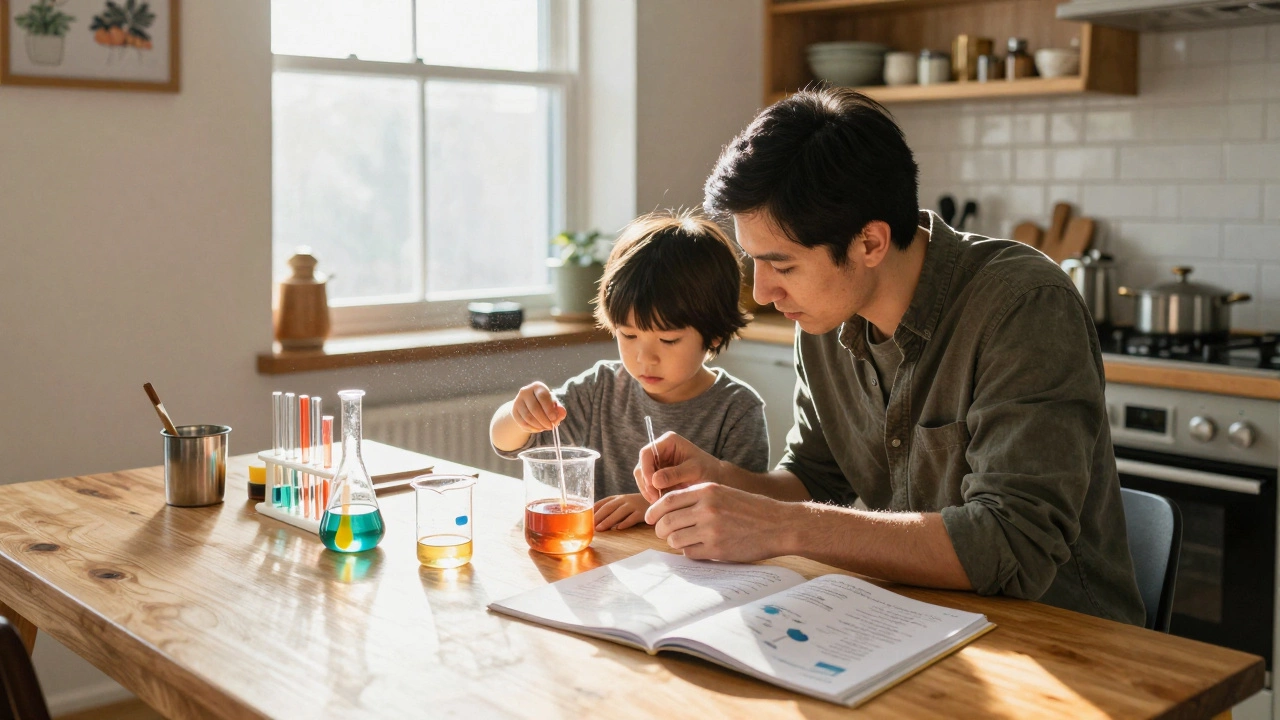
When we talk about Homeschooling is an educational method where parents or guardians take full responsibility for their child's education outside of a traditional school system. It's not just about teaching math at the dinner table. It is a legal status. Depending on where you live, you might need to notify the local school board or follow specific state mandates to ensure your child is meeting basic milestones.
The magic of homeschooling is the autonomy. You aren't tethered to a bell schedule. If your child is obsessed with dinosaurs, you can spend three weeks diving deep into paleontology. If they struggle with fractions, you can slow down for a month without worrying about a standardized test date. You are the principal, the teacher, and the guidance counselor all rolled into one.
However, this freedom comes with a heavy lift. You have to source your own Curriculum is the set of courses and specific materials used to teach a subject. Some parents buy a boxed set of textbooks, while others use a "relaxed" approach called Unschooling is a student-led form of homeschooling that allows children to learn based on their interests rather than a set curriculum. The responsibility for tracking progress and ensuring the child is meeting legal requirements falls entirely on the parent's shoulders.
Understanding Online Schooling
Now, let's look at Online School is a formal education program delivered via the internet, usually managed by a licensed school or government agency. If homeschooling is like being a freelance artist, online schooling is like working for a remote company. There is a boss (the teacher), a set of rules (the school handbook), and a clear set of deliverables (the assignments).
In an online school setting, the child is still a student of a recognized institution. They have a registered teacher who grades their work, tracks their attendance, and issues a transcript. This removes the burden of "teaching" from the parent. Instead, the parent becomes a "learning coach," helping the child stay on task and managing their time, but they aren't the ones designing the lesson plan.
Most of these programs use a Learning Management System is a software application for the administration, documentation, tracking, and delivery of educational courses, like Canvas or Google Classroom. Students log in, watch pre-recorded videos, attend live sessions, and take quizzes. It's essentially a traditional school experience, just moved to a computer screen.
Comparing the Two: The Breakdown
To make this clearer, let's look at how they stack up against each other across the most important categories. If you are weighing your options, this table highlights the trade-offs you'll face.
| Feature | Homeschooling | Online School |
|---|---|---|
| Authority | Parent/Guardian | Certified Teacher |
| Schedule | Flexible / Custom | Fixed / School-based |
| Curriculum | Parent chooses | School provides |
| Accreditation | Varies by state/choice | Usually pre-accredited |
| Cost | Pay for materials | Public (free) or Private tuition |
The Role of the Parent
This is where most families feel the biggest difference. In homeschooling, you are the primary educator. This means you need to be comfortable with the subject matter or be willing to learn it alongside your child. If you've forgotten everything about algebra, you'll spend your Sunday nights refreshing your memory so you can explain it on Monday morning. It is an emotionally intense and time-consuming commitment, but it allows for an incredibly tight bond between parent and child.
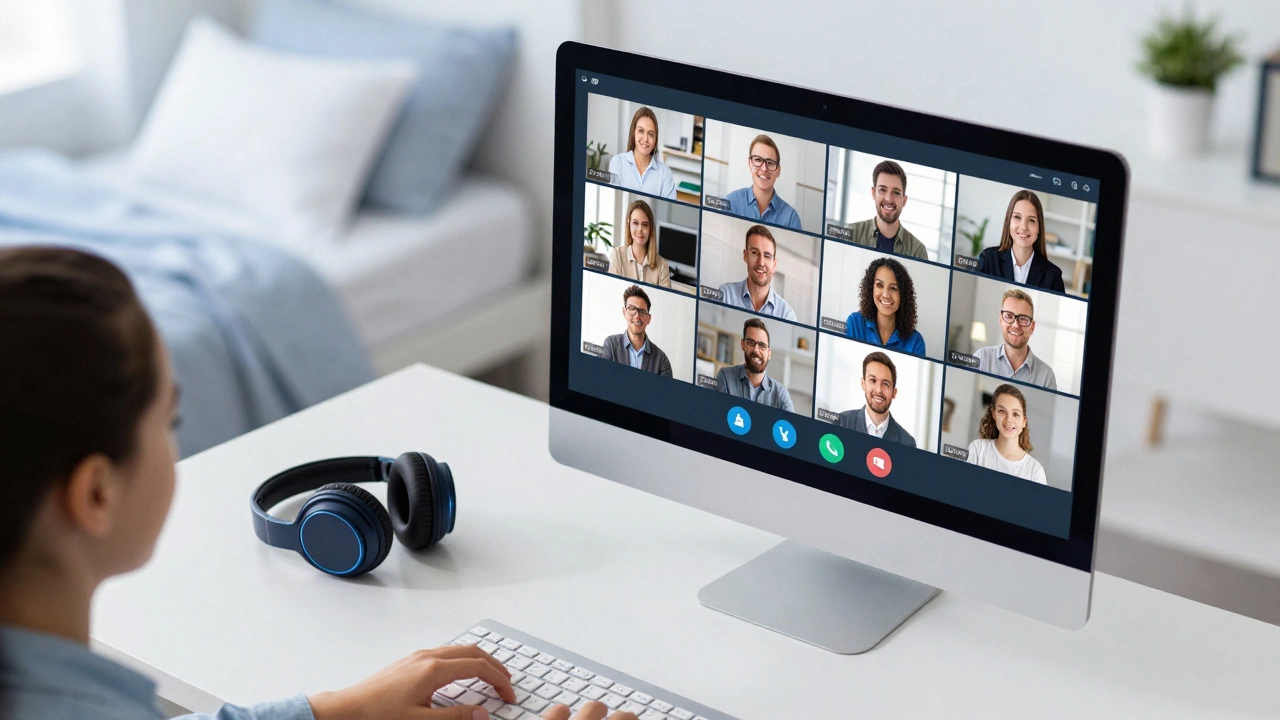
In online school, your role shifts. You aren't the teacher; you're the facilitator. You make sure the laptop is charged, the internet is working, and the child isn't spending their history lesson playing Minecraft. For parents who work full-time or those who don't feel confident teaching academic subjects, online school is often a lifeline. It provides the structure of a classroom without the commute.
Socialization and Community
The "socialization" question is the oldest cliché in the book, but it's still a valid concern. Both options remove the child from the physical hallways of a traditional school, but they replace those interactions differently.
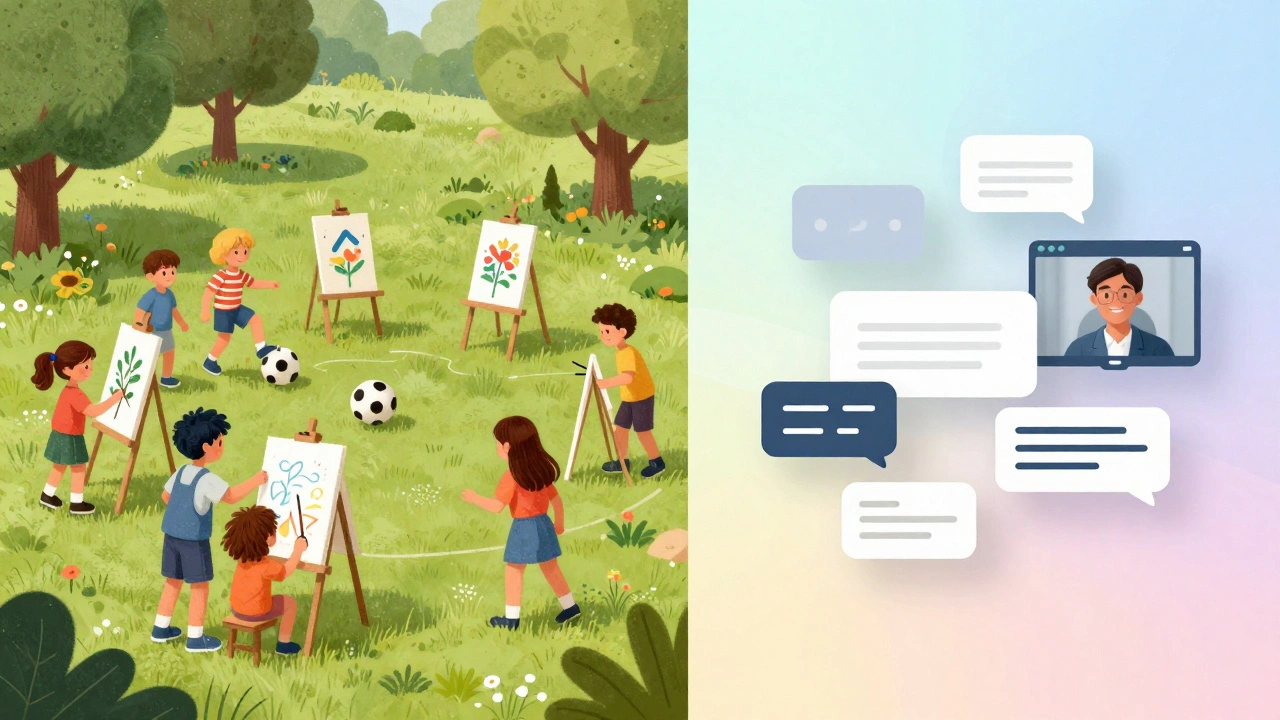
Homeschoolers often seek out Homeschool Co-ops is groups of homeschooling families who meet regularly to share teaching duties and provide social interaction for children. These are organic, community-driven groups where kids might take a group art class or play soccer together. The socialization is high-touch and often multi-generational.
Online school students socialize through the screen. They have discussion boards, group projects via chat, and sometimes virtual "hangouts." While this mimics the peer-to-peer interaction of a real school, it can feel sterile. Some online academies also have local meet-up events, but generally, the social aspect is more focused on a specific age group of classmates rather than a broad community.
Legal and Administrative Hurdles
You can't just stop sending your kid to school and call it homeschooling. In many regions, you have to file a "Notice of Intent" with your local government. You might have to keep a portfolio of work or have your child take a yearly standardized test to prove they are making progress. If you ignore these rules, you could be flagged for truancy.
Online schools, especially public virtual charters, handle all of this for you. Because they are official schools, they manage the attendance records, the transcripts, and the diplomas. When the time comes to apply for college, an online school provides a recognized transcript that universities already know how to read. Homeschoolers, on the other hand, often have to create their own transcripts or use a third-party service to certify their high school diploma.
Which One Should You Choose?
Choosing between these two depends on what you value most: control or convenience. If you want to tailor every single lesson to your child's personality and pace, homeschooling is the way to go. It's a lifestyle choice that transforms the home into a learning center.
If you want a professional educator to handle the grading and the planning, but you want the safety and comfort of home, online school is the winner. It's an efficient way to get a standard education without the social drama or logistical stress of a brick-and-mortar campus.
Is online school considered homeschooling?
Technically, no. While both happen at home, homeschooling is a parent-led educational choice where the parent manages the curriculum. Online school is a teacher-led program delivered via the internet by an accredited institution. The legal and administrative requirements for each are very different.
Can I switch from online school to homeschooling?
Yes, but you must follow your local laws. You would typically withdraw your child from the online school and file a notice of intent to homeschool with your local education authority to ensure you aren't violating truancy laws.
Which is more expensive?
It varies. Public online schools are usually free. Private online schools charge tuition. Homeschooling costs depend entirely on the materials you buy; some families spend very little using library books, while others spend thousands on specialized curricula and tutors.
Do online school students get a real diploma?
Yes, as long as the online school is accredited. They provide a diploma that is legally equivalent to one from a traditional physical high school. Homeschoolers also get diplomas, but the parents usually issue them, which may require additional certification in some states.
Can I use online tools while homeschooling?
Absolutely. Many homeschoolers use "hybrid" methods. You can be a legal homeschooler but use online courses, apps, and digital textbooks to help teach the material. This gives you the control of homeschooling with the resources of online education.
Next Steps for Parents
If you're still undecided, start by auditing your own time. Do you have 4-6 hours a day to dedicate to direct instruction? If not, look into public virtual academies. If you have the time and a passion for custom teaching, research your state's homeschooling laws first. Many local libraries have "homeschooling 101" groups where you can talk to parents who have already navigated the paperwork. Once you have the legal side sorted, pick one subject to "test drive" for a month before committing to a full transition.