

Adult Learning Relevance Calculator
Measure Your Lesson's Relevance
How well does your lesson connect to real-world adult needs? Input your lesson topic and what adults will use it for. The calculator shows your relevance score and improvement tips.
Personalized suggestions
Teaching adults isn’t just teaching kids with bigger shoes. Adults bring life experience, clear goals, and zero patience for fluff. If you’re new to this, you might think, How do I start teaching adults? The answer isn’t in fancy lesson plans or fancy slides-it’s in understanding what makes them tick.
Adults Don’t Learn Like Kids
When you teach children, you guide them through the unknown. When you teach adults, you help them connect new skills to what they already know. A 45-year-old student learning Excel isn’t trying to memorize formulas-they want to stop spending hours on spreadsheets at work. They need to see the why before they care about the how.
Research from the Center for Adult Learning shows that 78% of adult learners quit a course if they don’t see immediate relevance. That’s not laziness. It’s efficiency. They’ve got jobs, kids, bills. If your lesson doesn’t solve a real problem they have, they’ll tune out-or worse, never come back.
Start With Their Goals
Before you plan your first lesson, ask your students what they want to achieve. Not vague stuff like “learn English.” Ask: “What will you do differently when you can speak English confidently?” Maybe they want to talk to their child’s teacher. Maybe they want to apply for a promotion. Maybe they just want to watch movies without subtitles.
Write those goals down. Then design your course backward from them. If someone wants to handle customer calls in English, skip grammar drills. Start with role-playing phone conversations. Use real scripts from their industry. Practice the exact phrases they’ll hear and say. Adults learn best when they’re rehearsing for something real.
Respect Their Experience
Don’t act like you’re the expert because you have a teaching certificate. Adults have lived through things you haven’t. They’ve managed teams, raised kids, fixed cars, survived layoffs. They’re not empty vessels waiting to be filled. They’re seasoned travelers with maps of their own.
Start every class by asking: “What’s one thing you’ve already figured out about this?” A student learning basic computer skills might say, “I know how to send emails, but I get scared when something pops up.” That’s your entry point. Build on what they know. Validate their experience. Say, “That’s smart-you’re already avoiding phishing scams.” That builds trust fast.
Keep It Practical, Not Theoretical
Adults don’t care about the history of the English language. They care about how to ask for a refund without sounding rude. They don’t need to know the quadratic formula-they need to calculate their monthly loan payments.
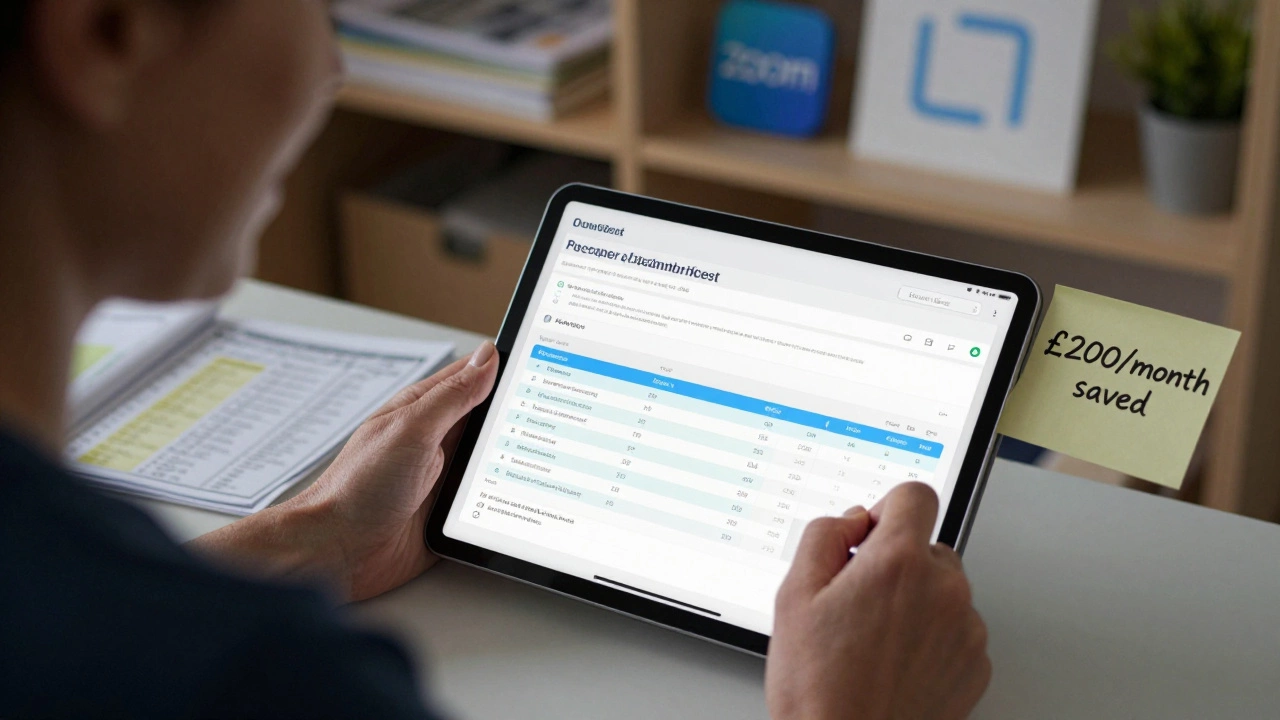
Every topic you teach should answer: “What can they do with this tomorrow?” If you’re teaching financial literacy, don’t lecture on compound interest. Give them a real budget template. Have them plug in their own numbers. Show them how $200 a month saved now becomes $12,000 in five years. Use their income, their bills, their goals.
Tools like Google Sheets, Canva, or free apps like Mint or Zoho Expense aren’t extras-they’re your classroom essentials. If you’re teaching digital skills, make sure every lesson ends with them using a real tool. No theory. No slides. Just doing.
Give Them Control
Adults hate being told what to do. They want to choose their pace, their path, their focus. That doesn’t mean you give up structure. It means you offer choices within structure.
Instead of saying, “Today we’re learning verb tenses,” say: “Here are three common situations where people mix up past and present tense. Pick the one you struggle with most, and we’ll work on it.” Let them pick their challenge. You become a coach, not a lecturer.
Let them decide how to show what they’ve learned. Can they record a 60-second video? Write a short email? Do a live demo? Options reduce pressure and increase engagement. A student who’s nervous about speaking might prefer writing. That’s okay. Progress isn’t always loud.
Build a Safe Space
Many adults have been humiliated in school. They’ve been told they’re “too old,” “not smart enough,” or “can’t learn this.” That shame sticks. Your classroom must be a place where mistakes are normal.
Start every session with a quick “mistake share.” Say, “Tell me one time you messed up and learned something from it.” You go first: “Last week, I sent an email to the wrong person and apologized publicly. Now I double-check names before hitting send.” That normalizes failure. It tells them: “You’re not broken. You’re learning.”
Never correct a mistake in front of the group unless they ask. Pull them aside. Say, “I noticed you said ‘I goed’-that’s common. Here’s how it works.” Tone matters. A gentle tone says, “I’m here to help.” A sharp tone says, “You’re wrong.”
Use Real Materials, Not Textbooks
Textbooks are often outdated, dry, and irrelevant. A 2020 textbook on job interviews won’t help someone applying to jobs in 2026. Use real-world stuff: job listings, bank statements, news articles, YouTube tutorials, customer service chat logs.
If you’re teaching workplace communication, use actual emails from their industry. If you’re teaching math for home repairs, use home improvement websites. If you’re teaching digital literacy, use the actual interface of the app they need to use-like Zoom or their bank’s mobile app.
Real materials feel urgent. They’re not abstract. They’re part of their life. And when they master something from a real job posting or a real receipt, they feel capable-not just “taught.”

Measure Progress, Not Attendance
Don’t track how many people showed up. Track what they can now do. Did they send their first professional email? Did they fill out a tax form without help? Did they explain their medical condition to a doctor in English?
Use simple checklists: “Can you…?” with yes/no boxes. At the end of each module, ask: “What’s one thing you couldn’t do at the start that you can do now?” Write it down. Show it to them. That’s their proof of progress.
Adults don’t need gold stars. They need to know they’re getting better. And when they see it, they keep coming.
What to Avoid
- Don’t talk down to them. Never say, “It’s easy!” or “Anybody can do this.” It’s dismissive. Say, “It takes practice, and you’re doing great.”
- Don’t rush. Adults need time to process. Silence isn’t awkward-it’s thinking time.
- Don’t force participation. Some adults learn by listening. Let them.
- Don’t use jargon. “Pedagogy,” “scaffolding,” “formative assessment”-none of that matters to them. Say “teaching method,” “step-by-step support,” “feedback to help you improve.”
Start Small, Stay Consistent
You don’t need a perfect curriculum. You need a clear purpose and a willingness to adapt. Start with one group of 5-8 people. Meet once a week for 90 minutes. Focus on one real skill. Listen more than you talk. Adjust after every session.
After three weeks, you’ll know what works. You’ll see who’s stuck. You’ll hear their stories. That’s when teaching becomes meaningful-not because you followed a guide, but because you showed up, listened, and helped them move forward.
Do I need a teaching degree to teach adults?
No. Many successful adult educators have no formal teaching credentials. What matters more is your ability to listen, adapt, and connect lessons to real life. Certifications like TESOL or ABE are helpful but not required. Most adult learners care more about whether you understand their struggles than whether you have a diploma.
How do I handle mixed skill levels in one class?
Group them by goal, not skill. Instead of splitting by “beginner” and “advanced,” split by need: “People who want to talk to doctors,” “People who want to write resumes.” Give each group a different task using the same core skill. For example, everyone learns how to write a sentence-but one group writes symptoms for a doctor, another writes job experience for a resume. This keeps everyone engaged without labeling.
What if my students are shy or quiet?
Quiet doesn’t mean disengaged. Many adults are quiet because they fear making mistakes. Use written responses-stick notes, chat boxes, or anonymous polls. Let them speak in writing first. Then, invite volunteers to read them aloud. Over time, they’ll feel safer. Also, pair them with a peer for short activities. One-on-one practice builds confidence faster than group speaking.
How do I keep adults motivated over time?
Celebrate small wins. Did someone finally understand their pay stub? Did they send a text without spelling errors? Say it out loud. Keep a “progress wall” with sticky notes of achievements. Adults stay motivated when they see tangible results-not because you gave them a certificate. Also, invite them to teach something back. Teaching reinforces learning and builds pride.
What’s the biggest mistake new adult educators make?
Trying to be the expert instead of the guide. Adult learners don’t need someone who knows all the answers. They need someone who helps them find their own. The best teachers ask more questions than they answer. They listen more than they talk. And they’re okay with not having all the solutions-because the learner already has the most important one: the desire to learn.
If you’re starting out, remember this: you’re not there to fix people. You’re there to unlock what’s already inside them. Adults don’t need to be taught. They need to be trusted.