

Tutoring ROI & Cost Calculator
Estimate your yearly spending and get a personalized recommendation on whether to hire a tutor or explore alternatives.
Enter details to see results
It is August 2026, and the cost of living in Australia continues to climb. When you are staring at a quote for private tutoring that runs between $50 and $120 per hour, it is natural to hesitate. Is this money well spent, or is it just another bill that drains your wallet while offering questionable results? The short answer is: it depends entirely on how you define "worth." If you view tutoring as a magic fix for poor grades, you will likely be disappointed. If you view it as targeted intervention to close specific knowledge gaps, the return on investment can be life-changing.
We need to strip away the marketing hype surrounding the education industry. Tutoring is not a one-size-fits-all solution. For some students, it is the bridge to university acceptance; for others, it is an unnecessary expense that could have been covered by free resources. To decide if paying for a tutor is worth it for your situation, we need to look at the real costs, the hidden benefits, and the alternatives available in today's digital landscape.
The Real Cost of Private Tutoring in 2026
Let us talk numbers first, because budget constraints are usually the primary barrier. In Adelaide and across major Australian cities, the price of tutoring services varies significantly based on the subject and the tutor's qualifications. A university student offering help with high school mathematics might charge around $40 to $60 per hour. However, a specialist teacher with decades of experience in senior chemistry or physics can command $100 to $150 per hour.
You must also consider the frequency. Most effective tutoring programs require at least one session per week during term time. That means an annual commitment of roughly $2,000 to $6,000 for a single subject. This is not pocket change. Before handing over that cash, ask yourself: what specific outcome justifies this expenditure? Are we talking about moving from a C to a B average, or ensuring a child passes their final exams?
| Tutor Type | Hourly Rate Range (AUD) | Best For |
|---|---|---|
| University Student | $40 - $60 | Homework help, basic concept review, relatable teaching style |
| Qualified Teacher | $70 - $100 | Curriculum alignment, exam preparation, structured learning plans |
| Subject Specialist/Expert | $100 - $150+ | Advanced subjects (Maths Methods, Physics), elite competition prep |
| Online Platform (Global) | $30 - $80 | Budget-conscious families, flexible scheduling |
It is also crucial to factor in travel time and logistics if you are hiring someone to come to your home. Many tutors charge for travel or require a minimum booking time, which further inflates the cost. Online tutoring has become a massive alternative here, reducing overheads and often lowering the hourly rate while maintaining quality.
When Tutoring Actually Works: The Right Fit
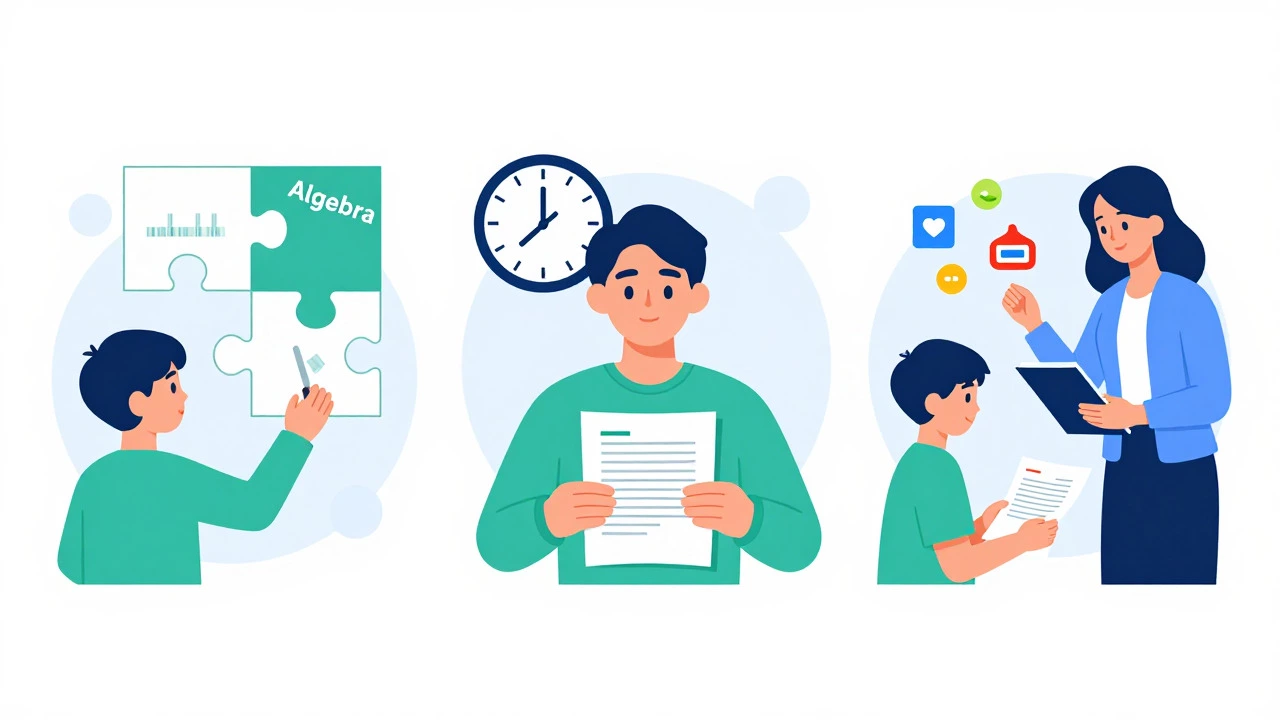
Tutoring is most valuable when there is a clear, identifiable problem. It is not a substitute for attendance or effort in the classroom. If a student skips class, fails to do homework, and lacks motivation, a tutor will struggle to make headway no matter how skilled they are. The "worth" of tutoring spikes in three specific scenarios:
- Filling Knowledge Gaps: Education is cumulative. If a student missed key concepts in Year 8 algebra, Year 10 calculus will be impossible to grasp. A tutor can diagnose these missing foundations and fill them quickly, preventing future failure.
- Exam Preparation: High-stakes exams like the HSC, VCE, or SATs require specific strategies. A good tutor does not just teach content; they teach how to take the test. They provide practice questions, time management techniques, and stress reduction methods.
- Specialized Learning Needs: Students with dyslexia, ADHD, or other learning differences often need individualized approaches that large classrooms cannot provide. A tutor trained in these areas can adapt materials to suit the student's cognitive style, leading to breakthroughs that general teachers might miss.
In these cases, the investment pays off through improved confidence, better grades, and reduced anxiety. The emotional benefit alone-watching a child go from dreading school to enjoying it-is priceless to many parents.
The Hidden Benefits Beyond Grades
We often measure the success of tutoring solely by grade point averages, but that is a narrow view. One of the most significant returns on investment is the development of metacognitive skills. This is the ability to think about one's own thinking. A good tutor asks, "Why did you choose that method?" rather than just giving the answer. This encourages critical thinking and problem-solving abilities that extend far beyond the classroom.
Furthermore, tutoring provides accountability. In a class of thirty students, it is easy to slip under the radar. With a tutor, you have a dedicated partner who expects progress. This relationship can build discipline and work ethic. Many adults who struggled in school credit their later professional success to a tutor who helped them believe they were capable of learning.
There is also the networking aspect. Tutors often have deep connections within universities or industries. For older students preparing for tertiary education, a tutor can provide invaluable advice on course selection, scholarship opportunities, and career pathways that are not widely publicized.
Free and Low-Cost Alternatives to Consider
Before committing to paid sessions, exhaust the free resources available. The digital age has democratized access to high-quality education. Platforms like Khan Academy, Coursera, and YouTube offer comprehensive tutorials on almost every subject. These resources allow students to learn at their own pace, rewind difficult sections, and pause to take notes.
Schools themselves are an underutilized resource. Teachers are often willing to hold extra office hours or provide additional worksheets for motivated students. Peer study groups can also be highly effective. Explaining a concept to a friend is one of the best ways to solidify your own understanding. This collaborative approach costs nothing and builds social skills.
Libraries and community centers in Adelaide often host free workshops or mentoring programs. Local universities sometimes have outreach programs where education students gain practical experience by tutoring high schoolers for little to no cost. These options provide human interaction without the premium price tag.

How to Choose the Right Tutor
If you decide that paid tutoring is necessary, choosing the right person is half the battle. A bad tutor can waste months of time and money. Look for these qualities:
- Qualifications: Ensure they have relevant credentials. For specialized subjects, check their own academic history in that field.
- Teaching Style: Does the tutor explain concepts clearly? Do they listen to the student's struggles? Chemistry matters. If the student feels judged or bored, the lessons will fail.
- Communication: The tutor should keep you informed about progress, challenges, and upcoming goals. Regular feedback loops are essential.
- Flexibility: Life happens. Can they reschedule easily? Do they offer online options if needed?
Always request a trial lesson. Most reputable tutors offer a discounted or free initial session. Use this time to assess compatibility. Ask the tutor what their plan is for the first month. If they cannot articulate a clear strategy, look elsewhere.
Measuring Success and Knowing When to Stop
To determine if tutoring is worth it, you need metrics. Set clear goals before starting. Is the goal to improve a math grade by one letter band? To pass a specific exam? To complete a science project? Review progress every six to eight weeks.
If there is no measurable improvement after two months, it may be time to reevaluate. Perhaps the tutor is not the right fit, or perhaps the underlying issue is not academic but behavioral or emotional. Continuing to pay for ineffective tutoring is a sunk cost fallacy. Be willing to pivot or stop if the data shows no return.
Conversely, once the goal is achieved, taper off the sessions. The ultimate aim of tutoring is independence. You want the student to eventually manage their own learning without external support. Transitioning from weekly sessions to bi-weekly, then monthly, helps maintain momentum while reducing costs.
Is online tutoring as effective as in-person tutoring?
Yes, for most subjects. Online tutoring offers flexibility, access to a wider pool of experts, and often lower costs. Tools like shared whiteboards and screen sharing make visual explanations effective. However, for very young children or those with significant attention deficits, the face-to-face interaction of in-person tutoring may be more engaging and manageable.
How much should I expect to pay for a tutor in Australia?
Rates vary by location and expertise. As of 2026, expect to pay between $40 and $60 per hour for university student tutors, $70 to $100 for qualified teachers, and $100 to $150+ for subject specialists or expert consultants. Online international tutors may be cheaper, ranging from $30 to $80 per hour.
Can tutoring help with learning disabilities like ADHD or Dyslexia?
Absolutely, provided the tutor has specific training in these areas. General tutors may lack the strategies needed to support neurodivergent learners. Look for tutors who mention evidence-based methods such as Orton-Gillingham for dyslexia or executive function coaching for ADHD. Specialized support can dramatically improve both academic performance and self-esteem.
What are the best free alternatives to paid tutoring?
Khan Academy, Coursera, and YouTube channels like CrashCourse offer high-quality instructional content. Additionally, utilize school resources such as teacher office hours, peer study groups, and library workshops. University outreach programs often provide low-cost or free mentoring from education students.
When should I stop paying for a tutor?
Stop when the initial goals are met and the student demonstrates independent learning skills. If there is no measurable progress after two months, reconsider the arrangement. The goal is eventual independence, so gradually reduce session frequency (e.g., from weekly to monthly) to test the student's ability to sustain their own momentum.