
Autism Behavior Insight Tool
Scenario Assessment
Select the options that best describe the situation you are observing.
Recommended Strategies
Select the options on the left and click "Analyze Behavior" to receive insights based on the article's principles.
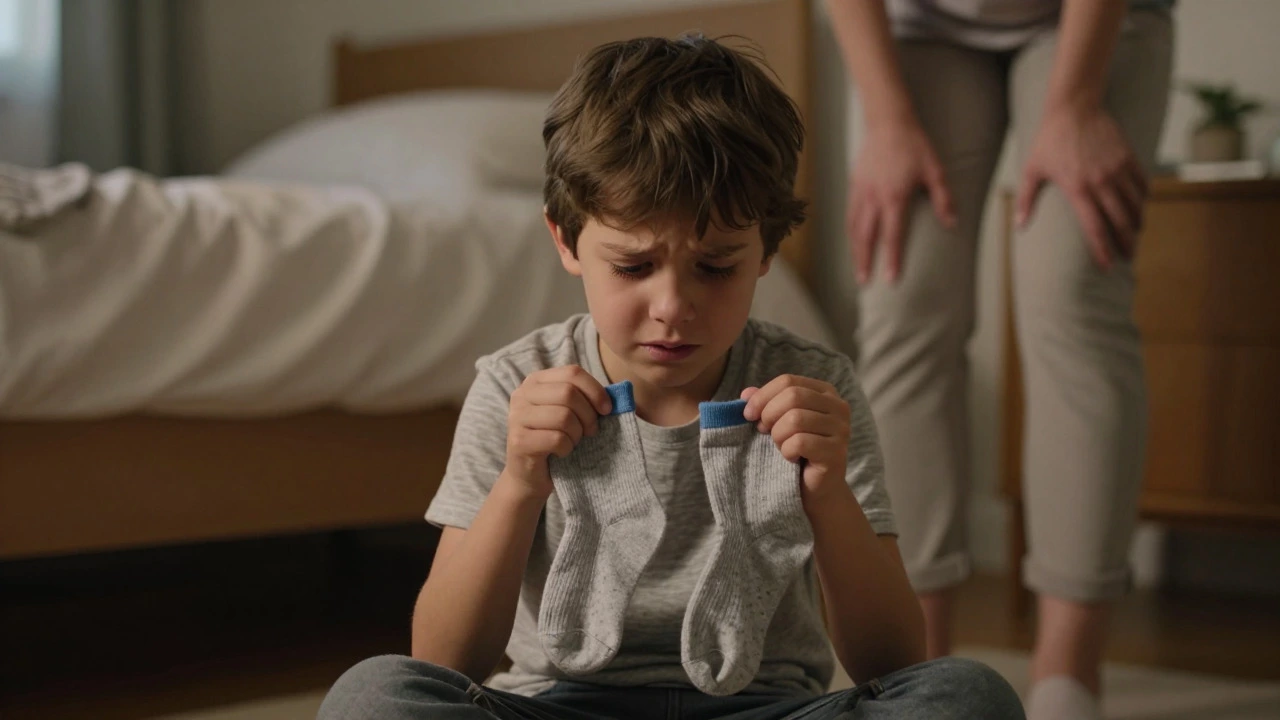
Has your child ever refused to wear a specific pair of socks because the tag felt "wrong," or insisted on taking the exact same route to school every single day? If you’ve been told they are being "stubborn" or "defiant," you might be looking at the situation through the wrong lens. For many people on the spectrum, what looks like stubbornness is actually a neurological difference in how they process change, sensory input, and expectations.
The short answer is no: stubbornness is not officially listed as a symptom of autism. However, behaviors that look exactly like stubbornness are very common. These behaviors stem from core traits associated with Autism Spectrum Disorder (ASD), which is a neurodevelopmental condition characterized by differences in social communication, repetitive behaviors, and sensory processing. Understanding the root cause changes everything-from how you react in the moment to how you support long-term development.
The Difference Between Defiance and Rigidity
To understand why an autistic person might seem unmovable, we have to look at the brain’s wiring. Neurotypical brains are generally flexible; they can pivot quickly when plans change. An autistic brain often prioritizes predictability and pattern recognition. This isn’t about willfulness; it’s about safety and efficiency.
Consider the concept of Cognitive Rigidity, which is a difficulty in shifting attention or mental sets, leading to inflexible thinking patterns. When an autistic individual has established a routine or a way of doing things, their brain sees this as the "correct" path. Deviating from that path creates cognitive dissonance-a mental friction that feels physically uncomfortable or even painful. What looks like stubborn refusal to change is often a struggle against this internal chaos.
This rigidity is closely tied to Executive Function, which refers to the set of mental skills that include working memory, flexible thinking, and self-control. Many autistic people experience challenges with executive function, particularly in "cognitive flexibility." If you ask them to stop one task and start another, their brain may literally struggle to shift gears. It’s not that they don’t want to help; it’s that the neural pathway for switching tasks is slower or more energy-intensive.
Sensory Overload: The Hidden Driver
Sometimes, the behavior labeled as stubbornness is actually a reaction to sensory overload. Autistic individuals often have heightened sensitivity to sights, sounds, textures, and smells. A shirt that feels fine to you might feel like sandpaper to someone with Sensory Processing Disorder (SPD), which involves difficulty receiving and responding to information that comes in through the senses.
If a child refuses to leave the house because they won’t put on shoes, it might not be defiance. It could be that the seams are rubbing their feet, or the laces feel constricting. Their brain is screaming "danger" based on sensory input, and their body is freezing up. This is a protective response, not a power struggle. Recognizing this distinction prevents unnecessary conflict and helps parents address the actual physical discomfort rather than fighting the symptom.
Meltdowns Versus Tantrums
One of the biggest misunderstandings in special needs education is confusing a meltdown with a tantrum. They look similar on the surface-both involve crying, shouting, or withdrawing-but their causes and solutions are completely different.
| Feature | Tantrum | Meltdown |
|---|---|---|
| Motive | To get something (toy, attention, food) | Response to overwhelming stress or sensory input |
| Control | Voluntary; can stop if goal is met | Involuntary; loss of control due to nervous system overload |
| Audience | Often performed for an audience | Occurs regardless of who is watching |
| Resolution | Giving in or distraction works | Needs calm, quiet, and time to regulate |
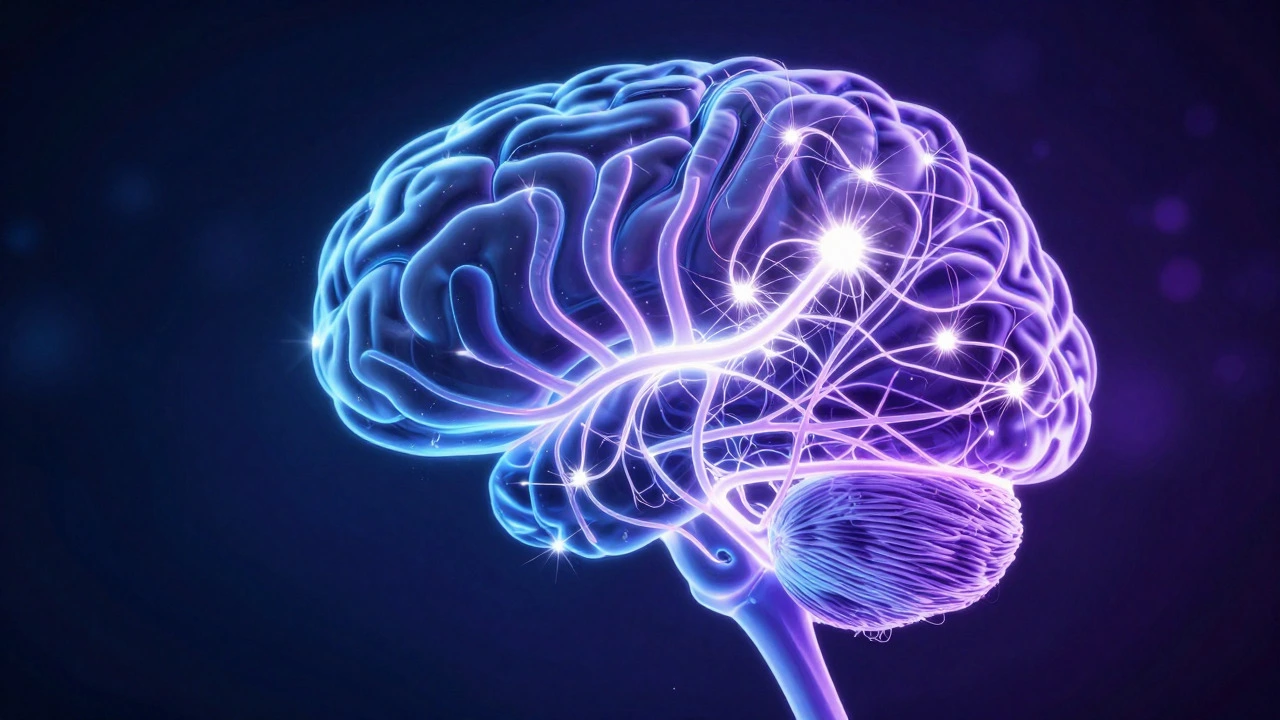
When an autistic person is having a meltdown, their prefrontal cortex-the part of the brain responsible for logic and reasoning-is essentially offline. They are in fight-or-flight mode. Trying to reason with them or demanding compliance during this state is futile and can make things worse. The best approach is to reduce stimuli: lower lights, minimize noise, and give space. Once the nervous system resets, communication can resume.
The Role of Special Interests
Autistic individuals often develop intense, focused interests known as Special Interests, which are highly focused topics or activities that bring joy, comfort, and deep engagement. While these interests are a source of immense happiness and expertise, they can also lead to behaviors perceived as stubbornness. If a child wants to talk only about trains for twenty minutes straight, it’s not just being bossy; it’s their way of connecting and regulating emotions.
Suppressing these interests can lead to anxiety and shutdowns. Instead, educators and parents can use these interests as bridges. For example, if a student loves maps, use maps to teach geography, math, and reading. This leverages their natural strengths rather than fighting their focus.
Communication Barriers and Masking
Another layer to consider is communication. Some autistic people are non-verbal or minimally verbal, while others are highly verbal but struggle with pragmatic language-the social rules of conversation. Misunderstandings happen frequently. If instructions are vague, abstract, or open to interpretation, an autistic person might freeze or refuse because they genuinely don’t know what is expected.
Additionally, many autistic adults engage in Masking, which is the conscious or unconscious suppression of autistic traits to fit into neurotypical society. This constant effort to appear "normal" is exhausting. When they finally drop the mask, they may become rigid or inflexible because they have no energy left for flexibility. This burnout can look like sudden stubbornness or irritability, but it’s actually a sign of depleted resources.

Strategies for Supporting Flexibility
So, how do we help without forcing compliance? The goal isn’t to eliminate rigidity entirely-predictability is a valid need-but to build resilience and flexibility over time.
- Visual Schedules: Use pictures or written lists to show the sequence of events. Knowing what comes next reduces anxiety about the unknown.
- Transition Warnings: Give advance notice before changing activities. "In five minutes, we will clean up toys" allows the brain to prepare for the shift.
- Offer Choices: Instead of open-ended questions, offer two acceptable options. "Do you want to wear the red shirt or the blue shirt?" provides control within boundaries.
- Sensory Breaks: Allow time for quiet decompression. Noise-canceling headphones or a weighted blanket can help reset the nervous system.
- Clear, Concrete Language: Avoid idioms or sarcasm. Be direct and specific about expectations.
Patience is key. Change happens slowly. Celebrate small victories, like trying a new food or tolerating a slight deviation from the routine. Positive reinforcement builds confidence and encourages flexibility.
When to Seek Professional Support
If rigid behaviors are significantly impacting daily life, causing distress, or leading to frequent meltdowns, professional guidance can be invaluable. Occupational therapists can help with sensory integration, while speech-language pathologists can improve communication skills. Behavioral therapists can work on functional behavior assessments to identify triggers and develop personalized strategies.
Remember, every autistic person is unique. What works for one may not work for another. The most important step is shifting the perspective from "Why are they so stubborn?" to "What are they trying to tell me?" By listening to the behavior, we can meet the need behind it.
Is stubbornness a formal diagnostic criterion for autism?
No, stubbornness is not listed in the DSM-5 or ICD-11 as a diagnostic criterion for autism. However, "insistence on sameness" and "restricted, repetitive patterns of behavior" are criteria, which can manifest as rigid or inflexible behavior that others interpret as stubbornness.
How can I tell if my child is having a meltdown or a tantrum?
Look at the context and outcome. Tantrums usually have a clear goal (like getting a toy) and stop when the goal is achieved or the audience leaves. Meltdowns occur due to overwhelm, lack of control, and persist until the nervous system calms down, regardless of external factors.
Does executive dysfunction cause rigid thinking in autism?
Yes, executive dysfunction, particularly in cognitive flexibility, makes it harder for autistic individuals to switch tasks or adapt to unexpected changes. This neurological challenge can appear as stubbornness but is actually a difficulty in mental shifting.
Can sensory issues make someone seem stubborn?
Absolutely. If clothing, food textures, or environmental noises are physically painful or overwhelming, refusing to engage with them is a protective response. This refusal is often misinterpreted as defiance rather than a reaction to sensory distress.
What is masking in autism, and how does it relate to burnout?
Masking is the effort to hide autistic traits to fit in socially. It requires significant energy. When this energy runs out, autistic individuals may experience burnout, leading to increased rigidity, irritability, or withdrawal, which can be mistaken for stubbornness.