

Scholarship Legitimacy Checker
Answer the following questions about the scholarship offer you received. The tool will analyze the risk level.
Risk Assessment
Awaiting Analysis
Select options above and click Analyze
Recommendation:
Complete the checklist to see personalized advice on whether to proceed with this scholarship application.
You’ve heard about a $2,000 Sallie Mae scholarship, and it sounds too good to be true. Is it? The short answer is: yes, but with major caveats. While Sallie Mae has historically offered legitimate grants, the landscape of online scholarships is rife with copycats, phishing attempts, and outright fraud. If you’re not careful, you could end up handing over sensitive personal information or falling for a scheme that promises free money but delivers nothing.
Let’s cut through the noise. I’m going to walk you through exactly how to verify if a scholarship offer is real, what red flags to watch for, and how to safely apply for legitimate funding without risking your identity or time.
Understanding the Sallie Mae Scholarship Landscape
Sallie Mae is a major American consumer finance company that provides student loans and other financial services. Founded in 1972, it was originally created to help students access higher education financing. Over the decades, Sallie Mae shifted from being a government-backed entity to a publicly traded corporation focused on private student lending.
Historically, Sallie Mae did run scholarship programs. For example, they previously offered the “Sallie Mae Scholarship” which awarded cash prizes to high school seniors based on essays or community involvement. However, these programs were often limited-time initiatives or tied to specific promotional campaigns. As of 2026, Sallie Mae does not have a widely advertised, standalone $2,000 scholarship program that is open to all applicants year-round. Any current offer claiming to be a direct, easy-to-get $2,000 grant from Sallie Mae should be treated with extreme skepticism.
This doesn’t mean Sallie Mae never gives away money. They may partner with third-party organizations or sponsor local contests. But the key difference between a legit opportunity and a scam lies in transparency, application process, and where you find the information.
How to Spot a Fake Scholarship Offer
Fraudsters are getting smarter. They don’t just send spam emails anymore; they create fake websites that look professional, use social media ads, and even mimic official branding. Here’s how to tell if you’re dealing with a legitimate source or a con artist.
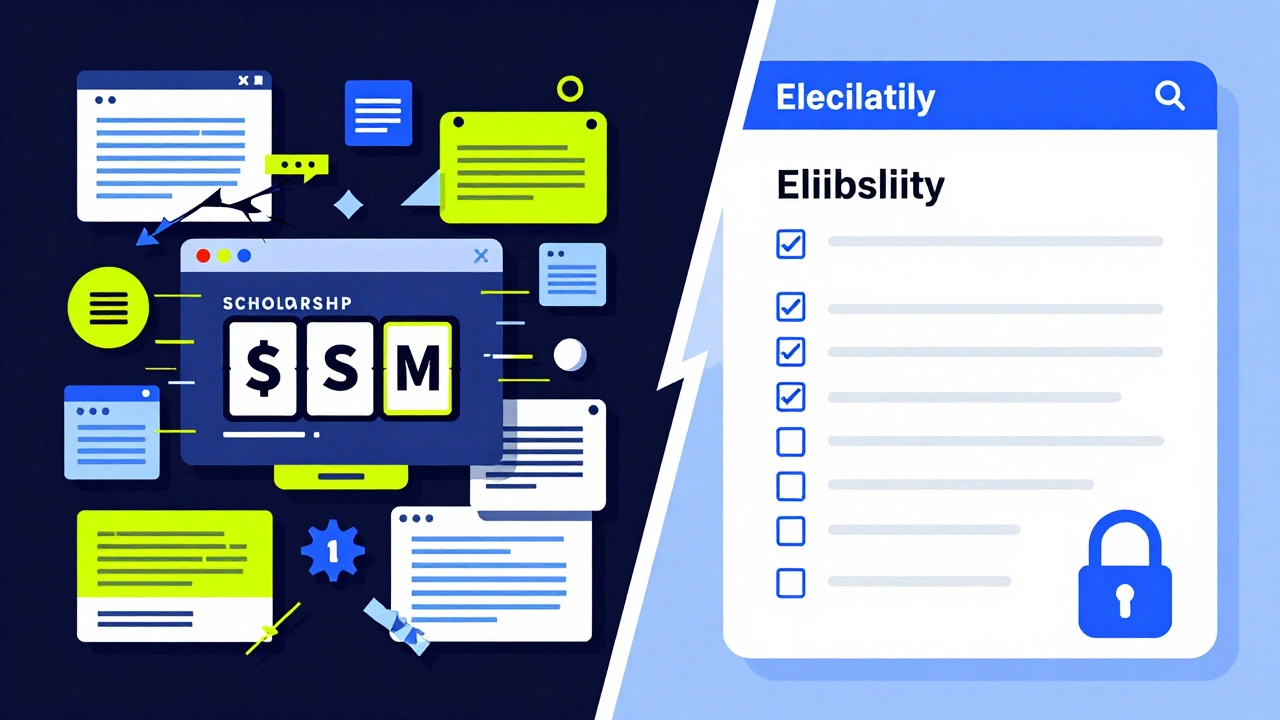
- Check the URL: Legitimate Sallie Mae pages will always end in
salliemae.com. Beware of lookalike domains likesalliemae-scholarship.com,sallie-mae-grants.net, or any site using a different top-level domain (.org, .net, .info) unless explicitly linked from the official homepage. - No Upfront Fees: Real scholarships never ask you to pay an application fee, processing charge, or “taxes” to receive your award. If you’re asked to wire money, buy gift cards, or provide bank details before receiving funds, walk away immediately.
- Vague Eligibility Criteria: Scams often claim everyone is eligible. Legitimate scholarships have clear requirements: GPA thresholds, residency restrictions, major-specific criteria, or essay prompts. If it says “no essay required, guaranteed win,” it’s likely a trap.
- Pressure Tactics: Fraudulent offers create urgency. “Apply now-only 5 spots left!” or “Offer expires in 24 hours!” are classic manipulation techniques. Real scholarship committees take their time reviewing applications.
- Poor Grammar and Design: While some scams are sophisticated, many still contain spelling errors, broken links, or unprofessional layouts. Official Sallie Mae communications are polished and consistent with their brand guidelines.
Legitimate Ways to Find Scholarships
If the $2,000 Sallie Mae deal seems shaky, don’t despair. There are plenty of verified, safe ways to fund your education. The trick is knowing where to look and how to filter out the junk.
Start with trusted databases. Platforms like Fastweb is one of the largest scholarship search engines in the U.S., connecting students with millions in awards., Scholarships.com is a comprehensive resource for finding scholarships by category, location, and academic interest., and Cappex is a platform that helps students discover scholarships and colleges based on their profile. aggregate thousands of vetted opportunities. These sites don’t guarantee wins, but they do ensure the listings are real.
Your school’s financial aid office is another goldmine. High schools and colleges maintain lists of local scholarships that aren’t advertised nationally. These often have less competition because fewer people know about them. Talk to your counselor-they might know about a community foundation offering $1,000 to students who volunteer at food banks, for instance.
Professional associations also offer funding. Are you studying engineering? Join the Society of Women Engineers. Interested in journalism? Look into the Society of Professional Journalists. Many industry groups set aside budgets for student members to encourage future talent.
| Source Type | Average Award Size | Competition Level | Verification Difficulty |
|---|---|---|---|
| National Databases (Fastweb, etc.) | $500 - $5,000 | High | Low (Vetted) |
| School Financial Aid Office | $250 - $2,000 | Medium | Very Low (Trusted Source) |
| Local Community Foundations | $500 - $3,000 | Low-Medium | Medium (Research Required) |
| Corporate Sponsorships (e.g., Sallie Mae) | $1,000 - $10,000 | Variable | Medium (Must Verify Origin) |
| Unsolicited Email Offers | Varies | N/A | High (Likely Scam) |
Protecting Your Personal Information
Even if a scholarship seems legitimate, you need to safeguard your data. Identity theft is a serious risk when applying for financial aid. Here’s what you should never share unless you’re absolutely certain of the recipient’s authenticity:
- Social Security Number: Only provide this to official government agencies (like the Department of Education for FAFSA) or institutions you’ve already enrolled with. Most private scholarships only need your name, address, and email.
- Bank Account Details: You should never give your routing and account numbers during the application phase. Winners are typically mailed checks or paid via secure disbursement methods after verification.
- Passwords: No legitimate organization will ever ask for your password. If a site requests login credentials for another service, it’s a phishing attempt.
- Payment Information: As mentioned earlier, never pay to apply. This includes credit card details for “processing fees.”
If you suspect you’ve fallen for a scam, act quickly. Freeze your credit with Equifax, Experian, and TransUnion. Report the incident to the Federal Trade Commission (FTC) and your state attorney general’s office. Monitor your bank statements closely for unauthorized transactions.

What to Do If You Find a Suspicious Offer
Curiosity can be dangerous. If you click on a suspicious link, close the tab immediately. Don’t download attachments or fill out forms. Instead, document the evidence:
- Take Screenshots: Capture the URL, the content of the page, and any contact information provided.
- Save Emails: Keep the original email headers intact. These contain metadata that can help law enforcement trace the sender.
- Report It: Forward phishing emails to
[email protected]or submit a complaint to the FTC atreportfraud.ftc.gov. - Warn Others: Share your experience on social media or student forums to prevent others from making the same mistake.
Remember, legitimate scholarship providers want to help you succeed-not exploit you. If something feels off, trust your gut. It’s better to miss out on a potential (but risky) opportunity than to lose your savings or identity.
Alternative Funding Options Worth Considering
If the $2,000 Sallie Mae scholarship isn’t available or turns out to be fake, there are other avenues to explore. Work-study programs allow you to earn money while attending school. Part-time jobs related to your field can build your resume and offset tuition costs. Crowdfunding platforms like GoFundMe have been used successfully by students facing unexpected financial hardships, though success depends on your network and storytelling ability.
Grants from non-profit organizations often go overlooked. Groups focused on diversity, veterans, single parents, or specific ethnic backgrounds frequently offer no-need-based awards. Research organizations aligned with your identity or interests-you might be surprised by the support available.
Finally, consider negotiating with your college. If you receive a better offer from another institution, some schools will match it to keep you as a student. It requires courage and preparation, but it’s a valid strategy worth discussing with admissions counselors.
Does Sallie Mae currently offer a $2,000 scholarship?
As of 2026, Sallie Mae does not have a widely publicized, permanent $2,000 scholarship program. Past offerings were limited-time promotions. Always verify any current claim directly through salliemae.com to avoid scams.
How can I verify if a scholarship website is legitimate?
Check the domain name for accuracy, look for clear eligibility criteria, ensure there are no upfront fees, and verify the organization’s physical address and contact information. Cross-reference with trusted databases like Fastweb or your school’s financial aid office.
Should I ever pay to apply for a scholarship?
No. Legitimate scholarships never require payment for application, processing, or taxes. Any request for money before awarding funds is a definitive sign of a scam.
What should I do if I think I’ve been scammed by a fake scholarship?
Freeze your credit, report the incident to the FTC and your state attorney general, change passwords for affected accounts, and monitor your financial statements for unauthorized activity. Document all interactions with the scammer for evidence.
Where can I find safe, verified scholarships?
Use reputable search engines like Fastweb, Scholarships.com, and Cappex. Consult your high school or college financial aid advisor for local opportunities. Explore grants from professional associations and non-profits relevant to your background or major.