

Andragogy Style Quiz
Are you designing a training session? Let's see if you're using child-centric methods (Pedagogy) or adult-centric methods (Andragogy). Select the approach that best aligns with Adult Learning Theory for each scenario.
Think back to the last time you learned something new. Maybe it was a software update at work, a recipe for dinner, or how to fix a leaky faucet. Now think about your school days. The difference in how you approached those tasks is likely huge. As children, we sat still, listened to authority figures, and memorized facts for tests. As adults, we want to know why we are learning something and how it helps us right now.
This shift isn't just a feeling; it's a documented psychological change. It’s the core of Adult Learning Theory, also known as Andragogy. This framework explains that adults learn differently than children. Ignoring these differences leads to boring training sessions, low engagement, and wasted money. Understanding them creates effective, respectful, and practical education.
The Foundation: Who Is Malcolm Knowles?
You can’t talk about adult learning without mentioning Malcolm Knowles. In the 1960s and 70s, this American educator realized that traditional pedagogy (the method of teaching children) didn't fit the needs of mature students. He coined the term "andragogy" from the Greek words *andr* (man/adult) and *agogos* (to lead).
Knowles wasn't saying children's methods were bad. He argued they were insufficient for adults. Adults bring baggage-literally and figuratively-to the classroom. They have jobs, families, past failures, and successes. A lecture that works for a ten-year-old often frustrates a forty-year-old professional. Knowles’ principles provide a roadmap for respecting that experience.
Principle 1: The Need to Know Why
Adults are pragmatic. Before they commit mental energy to a new concept, they need to understand its relevance. If you ask an adult to learn a complex Excel formula without explaining how it saves them two hours of work per week, they will tune out. This is the principle of relevance.
In a corporate setting, this means starting training with the "what's in it for me?" (WIIFM). In a community college class, it means connecting history lessons to current events. Without a clear purpose, adult learners view education as a chore rather than a tool. The brain prioritizes information that solves immediate problems. If the problem isn't visible, the solution is ignored.
Principle 2: Self-Concept and Autonomy
As we age, our self-concept shifts from being dependent on others to being self-directed. An adult learner wants to be treated as a capable individual, not a passive recipient of knowledge. They resist situations where they feel controlled or patronized.
This doesn't mean they don't need guidance. It means they need choice. Instead of dictating exactly how to study, offer options. Let them choose between writing a report or creating a presentation. Allow them to set their own pace within reasonable limits. When adults feel ownership over their learning process, engagement skyrockets. Micromanagement triggers defensiveness; autonomy triggers motivation.
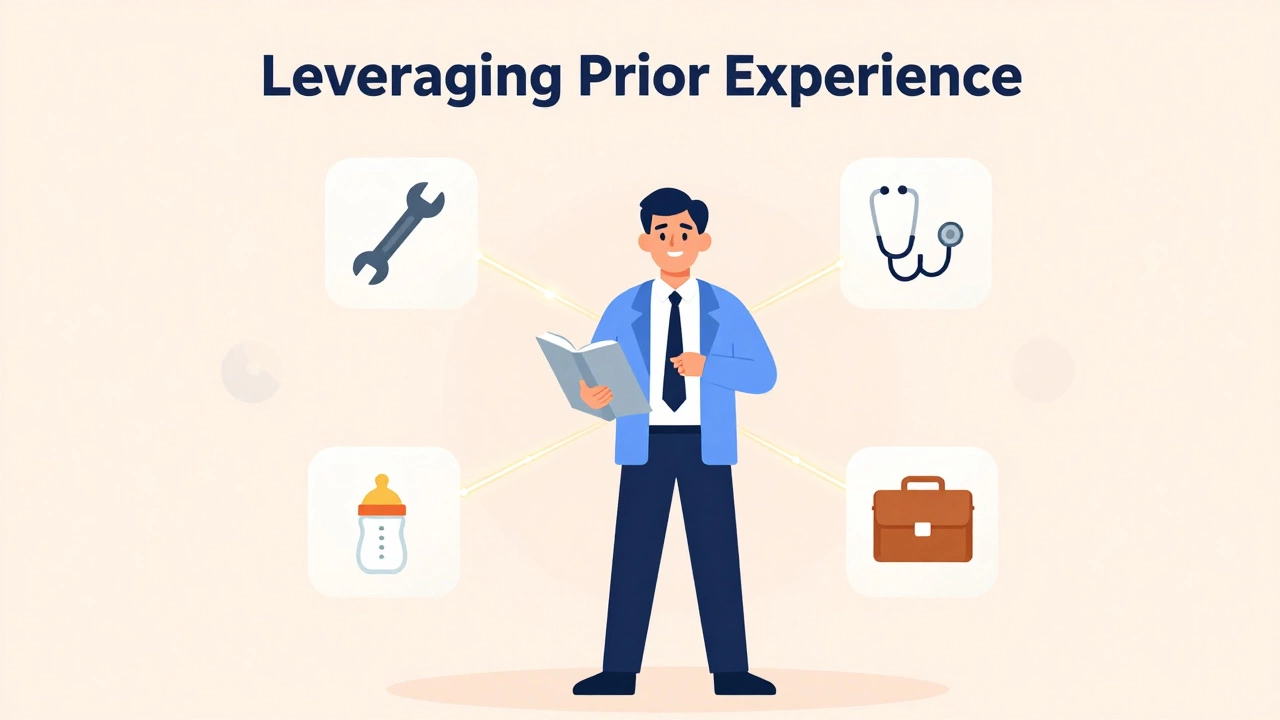
Principle 3: Leveraging Prior Experience
An adult walks into a room with decades of life experience. This is their greatest resource and, sometimes, their biggest hurdle. Their past experiences shape their perceptions, biases, and skills. Effective learning builds on this foundation rather than ignoring it.
If you are teaching leadership skills, don't start with abstract definitions. Ask participants to share stories of leaders they admired or disliked. Use their real-world examples as case studies. This validates their intelligence and makes the new information stickier because it connects to existing neural pathways. However, be careful: deeply ingrained habits can resist change. Facilitators must gently challenge outdated assumptions while respecting the value of past experience.
Principle 4: Readiness to Learn
Children learn what society says they should learn at certain ages. Adults learn what they need to learn to cope with real-life situations. This is called developmental readiness. You can force a teenager to take algebra, but you can't force a mid-career manager to care about public speaking until they are promoted to a role that requires it.
Timing is everything. Training is most effective when it aligns with a person's current life stage or job requirements. A safety certification is relevant when someone starts operating heavy machinery. A financial planning course is relevant when someone buys a first home. Recognizing this timing helps educators design curricula that meet people where they are, not where we wish they were.
Principle 5: Orientation to Learning
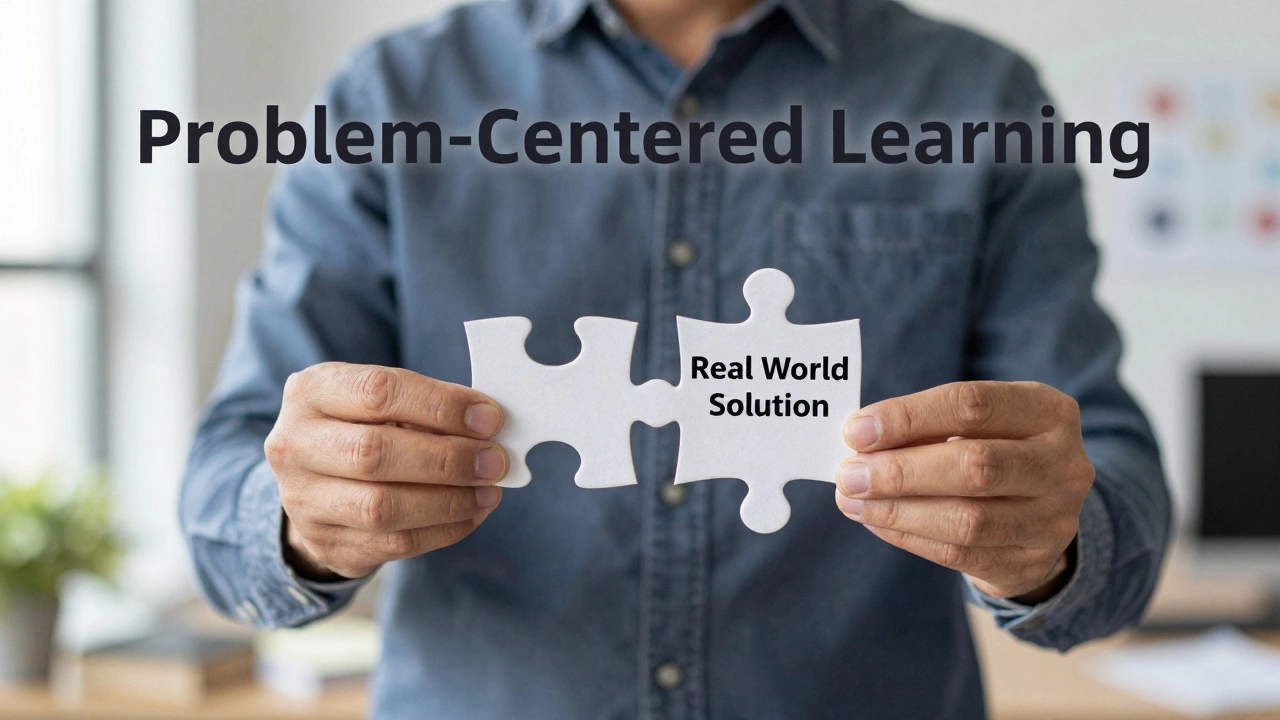
Students in school are subject-centered. They study math, science, and history as distinct subjects. Adults are problem-centered. They don't care about "math"; they care about balancing their budget. They don't care about "psychology"; they care about resolving conflict with a difficult coworker.
This shift requires a change in instructional design. Instead of organizing content by academic discipline, organize it by application. Create scenarios that mimic real-world challenges. Role-play a customer service complaint. Simulate a crisis management meeting. When the learning context mirrors the actual environment, transfer of knowledge becomes seamless. Theory supports practice, not the other way around.
Principle 6: Motivation to Learn
External motivators like grades, diplomas, or parental pressure drive many children. While these still matter for adults, internal motivators become dominant. Adults are driven by desires for increased job satisfaction, self-esteem, quality of life, and personal growth.
A promotion might get someone to sign up for a course, but only the intrinsic desire to master a skill keeps them engaged. Educators should tap into these internal drivers. Highlight how mastering a language opens doors to travel and cultural connection. Show how coding skills empower creativity. Connect the learning outcome to the learner’s personal values and long-term aspirations.
| Aspect | Pedagogy (Child Learning) | Andragogy (Adult Learning) |
|---|---|---|
| Self-Concept | Dependent personality | Self-directed orientation |
| Experience | Limited; resource for teacher | Rich; rich resource for learning |
| Readiness | Subject-centered | Life-role centered |
| Orientation | Content-focused | Problem-focused |
| Motivation | External (grades, parents) | Internal (self-worth, career) |
Beyond Knowles: Other Key Contributors
While Knowles laid the groundwork, other theorists expanded the map. Edward Tolstoy emphasized that adults need to feel respected and safe to learn. Jack Mezirow introduced Transformative Learning Theory, which focuses on changing deep-seated beliefs and perspectives. This is crucial for diversity training or leadership development, where unlearning old biases is part of the process.
David Kolb added the dimension of Experiential Learning. He argued that learning is a cycle: concrete experience, reflective observation, abstract conceptualization, and active experimentation. Adults learn best when they can do, reflect, theorize, and try again. Purely theoretical instruction breaks this cycle.
Applying the Principles in Practice
How do you use this in real life? Whether you are a corporate trainer, a teacher, or a peer mentor, here are actionable steps:
- Start with the 'Why': Begin every session by outlining the benefits and applications.
- Invite Participation: Use discussions, group work, and case studies instead of monologues.
- Respect Time: Be punctual and efficient. Adults value their time highly.
- Create Psychological Safety: Make it okay to make mistakes. Learning involves risk.
- Connect to Reality: Use real data, real problems, and real timelines.
Consider a scenario where a company introduces new project management software. A pedagogical approach would involve a 4-hour lecture on every button and feature. An andragogical approach would involve a 1-hour overview of key benefits, followed by small groups tackling a simulated project using the tool, with facilitators available to answer specific questions as they arise. The latter respects autonomy, leverages experience, and focuses on problem-solving.
Common Pitfalls to Avoid
Even well-intentioned educators stumble. One common error is assuming all adults are self-directed. Some may lack confidence or prior success in learning environments. These individuals need more structure and scaffolding initially, gradually moving toward independence. Another pitfall is dismissing the emotional aspect of learning. Adults can feel vulnerable when exposed to gaps in their knowledge. Acknowledging this fear and normalizing it creates a supportive atmosphere.
Also, avoid treating "adult" as a monolith. A 20-year-old returning to school has different needs than a 60-year-old retiree taking a hobby class. Context matters. Adapt the intensity of the principles based on the specific audience.
What is the difference between pedagogy and andragogy?
Pedagogy is the art and science of teaching children, where the teacher directs the learning and the student is dependent. Andragogy is the method of teaching adults, who are self-directed, bring experience to the table, and learn best when the content is immediately relevant to their lives.
Who created adult learning theory?
Malcolm Knowles is credited with developing and popularizing the principles of andragogy in the 1960s and 1970s. He distinguished adult learning from child learning, emphasizing self-direction and experience.
Why is prior experience important in adult learning?
Adults accumulate vast amounts of experience throughout their lives. This experience serves as a rich resource for learning through discussion, case studies, and problem-solving. It allows them to connect new information to what they already know, making retention easier and deeper.
How does motivation differ for adult learners?
While external factors like grades matter less, internal motivators become primary. Adults are driven by desires for better job performance, higher self-esteem, improved quality of life, and personal fulfillment. They need to see how learning contributes to these internal goals.
Can adult learning theory apply to online courses?
Yes, absolutely. Online learning often suits adults well because it offers flexibility and self-pacing. However, designers must still ensure relevance, provide opportunities for interaction and reflection, and respect the learner's autonomy to maximize effectiveness.