
Pre-Exam Nutrition Checker
Check Your Pre-Exam Food or Drink
Enter what you plan to eat or drink before your exam to see if it will help or hurt your focus.
Why This Matters
Your brain needs stable energy to perform at its best. Poor choices can cause crashes, anxiety, or sluggishness that directly impact your test results.
Ever felt your brain foggy during an exam, even after studying hard? Maybe your pre-exam snacks are to blame. Many students focus on studying but overlook how food and drinks affect their performance. This article breaks down exactly what to avoid before an exam for optimal pre-exam nutrition.
Why Your Brain Needs the Right Fuel
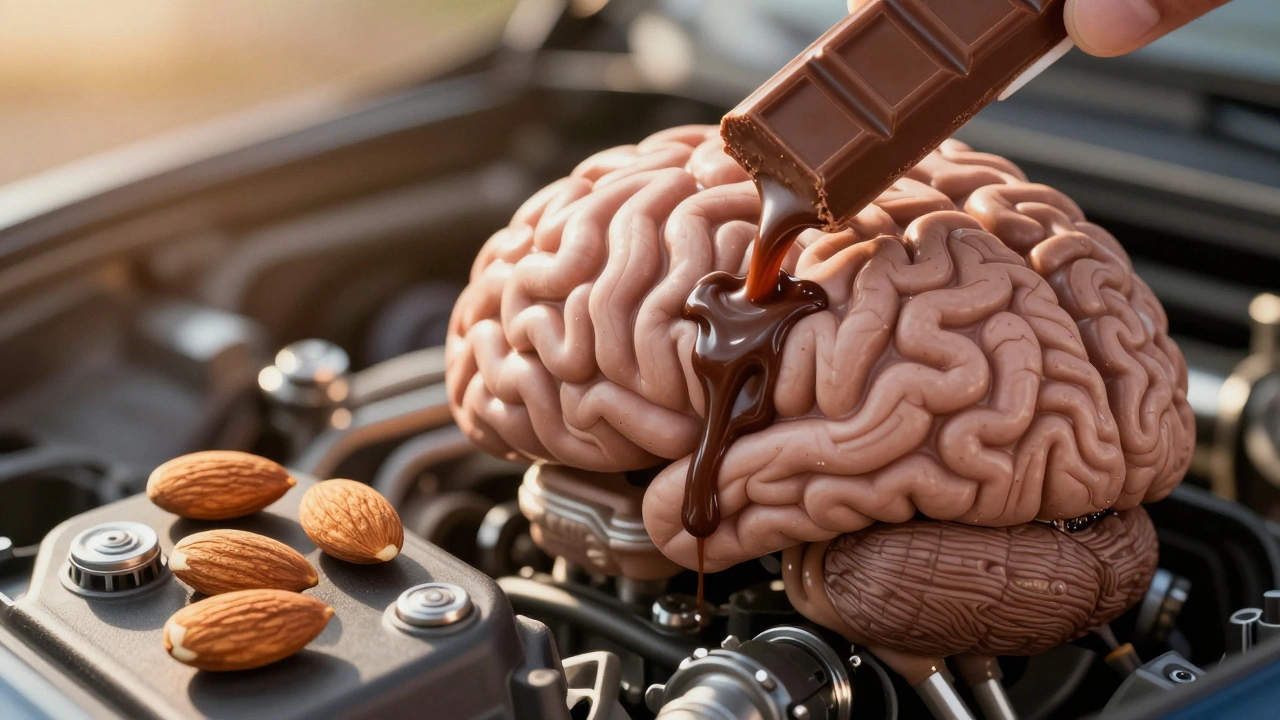
The brain is a hungry organ. It uses about 20% of your body's energy, even when you're just sitting still. Without stable glucose levels, your focus slips. A 2023 study in the Journal of Cognitive Neuroscience found that students with balanced blood sugar scored 18% higher on memory tasks than those with unstable levels. Think of your brain like a car: it needs the right fuel to run smoothly, not just a quick sugar rush.
Avoid Sugary Snacks and Drinks
That candy bar or soda might seem like a quick energy boost, but it's a trap. Sugary snacks cause a rapid spike in blood glucose, followed by a crash. When your blood sugar drops, you feel tired, irritable, and unfocused. For example, a student named Alex ate a chocolate bar before a math exam. Within 30 minutes, his energy plummeted. He struggled to solve simple problems and forgot key formulas. A 2024 study in the Journal of Educational Psychology showed that high-sugar snacks before tests reduced recall accuracy by 12% compared to protein-rich snacks. Instead of candy, try a small handful of almonds or an apple with peanut butter-these provide steady energy without the crash.
Caffeine's Double-Edged Sword
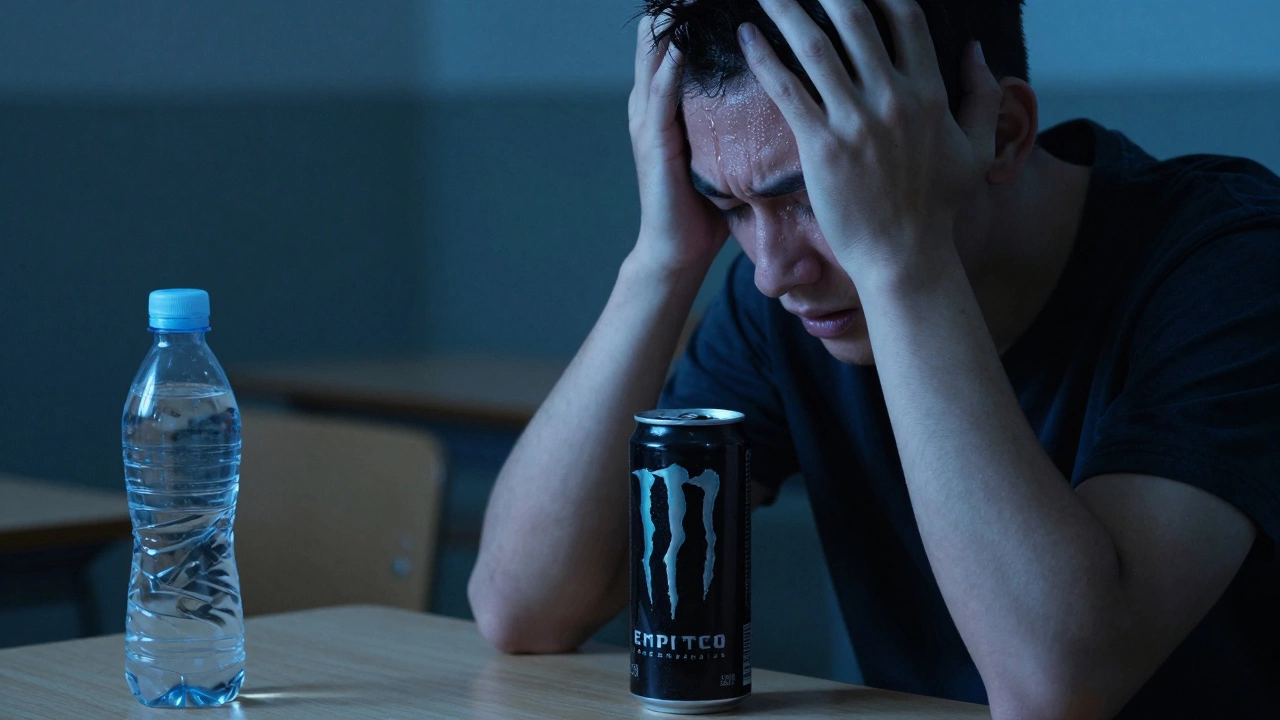
Caffeine is everywhere: coffee, energy drinks, even some sodas. While it might help you stay awake, too much caffeine can backfire. It increases anxiety, causes jitters, and dehydrates you. A 2025 survey of university students found that those who drank two or more energy drinks before exams reported 30% more anxiety symptoms than those who avoided them. Even coffee can be problematic. If you're not used to caffeine, it might make you nervous. If you are used to it, stick to one small cup at least an hour before the exam. But remember: water is always the safest choice for hydration.
Heavy Meals and Digestion
Eating a large meal right before an exam is a bad idea. Your body diverts blood flow to your stomach to digest food, leaving less for your brain. This makes you feel sluggish and sleepy. Imagine eating a big burger before a history test. Your stomach is busy processing the food, while your brain is trying to recall dates and facts. It's like trying to run a marathon with a full backpack. Instead, eat a light meal 2-3 hours before the exam. Think grilled chicken salad or a turkey sandwich on whole wheat. These options are easy to digest and provide sustained energy.
Dehydration's Impact on Concentration
Even mild dehydration-just 2% loss of body water-can reduce your ability to concentrate. A 2023 study in the International Journal of Environmental Research and Public Health showed that students who drank enough water before tests performed 15% better on attention tasks. Yet many students skip water for sugary drinks. Energy drinks or sodas might seem hydrating, but their high sugar content actually worsens dehydration. Stick to plain water. Keep a bottle on your desk during the exam to sip regularly. It's simple, free, and scientifically proven to help.

Pre-Exam Food Choices: What to Avoid vs. What to Eat
| What to Avoid | Why It's Bad | Better Alternative |
|---|---|---|
| Energy drinks | High sugar and caffeine can cause crashes and anxiety | Water with lemon or herbal tea |
| Donuts or pastries | Quick sugar spike followed by energy crash | Whole grain toast with peanut butter |
| Large burgers or fried foods | Heavy digestion saps energy needed for the brain | Grilled chicken with veggies |
| Sugary cereals | Rapid blood sugar spike and crash | Oatmeal with berries |
| Chocolate bars | High sugar leads to energy crash | Almonds and a small apple |
Debunking Common Myths
Let's clear up some myths:
- Myth: "Coffee is the best pre-exam drink." Truth: While coffee might help if you're used to it, too much caffeine can cause anxiety and dehydration. Stick to one small cup at least an hour before.
- Myth: "Eating a lot before the exam keeps you full." Truth: Heavy meals slow digestion and make you sleepy. A light snack is better.
- Myth: "Sugary snacks give quick energy." Truth: They cause a crash. You'll feel worse after the initial high.
Stick to proven strategies, not myths. Your brain will thank you.
Quick Tips for Exam Day
Here's a simple checklist for exam day nutrition:
- Drink water throughout the morning, not just right before.
- Eat a balanced meal 2-3 hours before the exam.
- Avoid new foods or large portions on test day.
- Bring a water bottle to the exam room.
- Keep snacks like nuts or fruit handy for after the exam.
These small steps make a big difference. They help your brain stay sharp without distractions from hunger or fatigue.
Can I drink coffee before an exam?
Yes, but only if you're used to it. One small cup (8 oz) at least an hour before the exam is okay. Too much caffeine can cause jitters and anxiety, which hurt focus. If you don't usually drink coffee, skip it-water is safer.
Is it okay to eat a banana before a test?
Absolutely! Bananas are a great pre-exam snack. They provide natural sugars for quick energy, plus potassium and fiber to keep blood sugar stable. Pair it with a bit of peanut butter for protein to avoid a crash.
What should I eat for breakfast before an exam?
A balanced breakfast like oatmeal with berries and a boiled egg works best. Oats provide steady energy, berries add antioxidants, and the egg's protein helps focus. Avoid sugary cereals or pastries-they cause energy crashes.
How long before an exam should I stop eating?
Eat a light meal 2-3 hours before the exam. This gives your body time to digest without slowing you down. If you need a snack closer to test time, stick to something small like a handful of nuts or a piece of fruit.
Does hydration really affect test performance?
Yes. Even mild dehydration (2% loss of body water) can reduce concentration and memory recall by up to 15%. Always drink water before and during the exam. Avoid sugary drinks-they dehydrate you more.