
Exam Stress & Memory Diagnostic
Step 1: Physiology Check
Your biology dictates your ability to retrieve memories. Are you flooding your system with stress?
Step 2: Encoding Check
How did you prepare the material in your neural pathways?
Panic Attack Reset
Activates parasympathetic nervous system to lower heart rate.
Your Brain Analysis
Recommended Fixes:
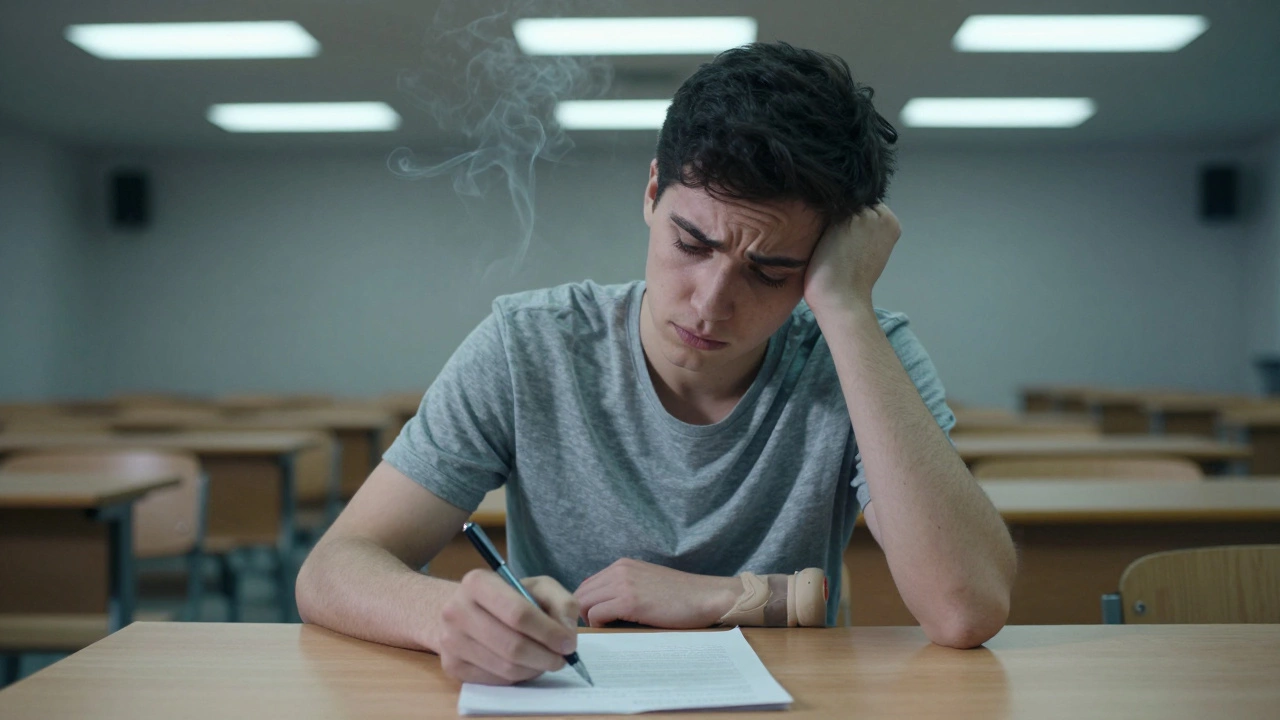
You sit down at your desk, open the paper, and suddenly your mind goes completely blank. It happens so fast you barely notice the shift until you’re staring at a question you know perfectly well while studying. This feeling isn’t just in your head, even though it feels like it. Your brain is actually performing a specific survival function that works against you in this situation. Understanding what happens inside your body during those high-pressure moments can help you break the cycle.
Exam Anxiety is a condition where stress levels exceed your ability to perform cognitive tasks. Unlike normal nervousness, which might give you a slight boost, severe anxiety shuts down access to stored information. When you feel like you are forgetting everything, it usually isn’t because the information left your brain. Instead, the retrieval path gets blocked by chemical signals designed to protect you from danger.
The Biological Hijack
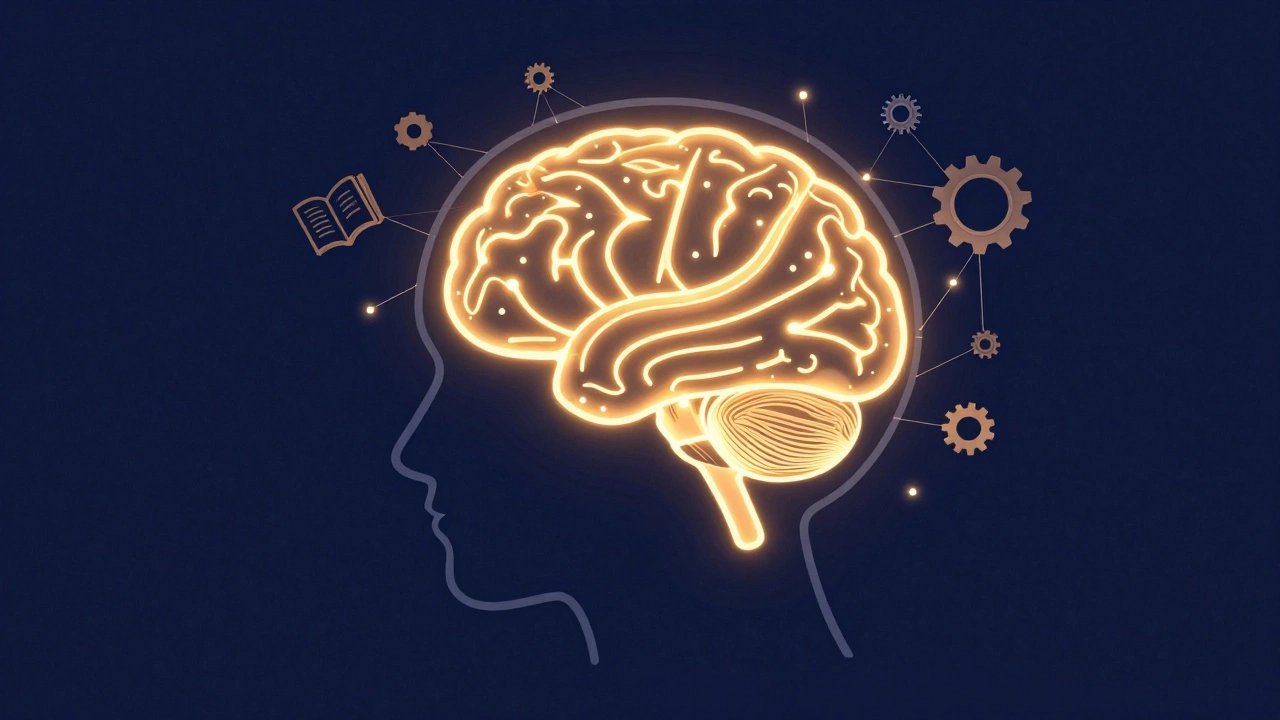
Your brain treats exams like predators. When the clock starts ticking or you see the test booklet, your amygdala perceives a threat. This small almond-shaped structure inside your brain is responsible for processing emotions, particularly fear. Once it sounds the alarm, your body switches to survival mode. Blood flow moves away from non-essential functions like deep thinking and towards large muscle groups ready to run or fight.
This biological response is ancient. It served our ancestors well when facing a tiger in the wild, but it creates problems in a classroom setting. The part of your brain needed for recalling facts, known as the prefrontal cortex, loses blood flow during this process. Think of it like power being diverted from the lights in your house to a siren system. You physically cannot access the knowledge effectively when your body thinks you are under attack.
The conflict between stress response and cognitive recall defines the core struggle of test taking.A primary driver here is a hormone called Cortisol. In healthy amounts, cortisol helps regulate energy. However, when spikes too high due to stress, it directly interferes with Working Memory. Working memory acts as your brain’s scratchpad. It holds information temporarily while you process it. High cortisol disrupts the connection between the hippocampus, where memories are stored, and the frontal lobe where you retrieve them.
So, the blank stare isn’t a sign of failure. It is a physiological reaction to perceived pressure. Once you realize this mechanism is automatic, you can start working around it rather than fighting it.
Why Preparation Sometimes Backfires
Many students think they have studied hard enough, yet still face the memory block. This often points to how the material was encoded into long-term memory in the first place. If you rely solely on passive reading or re-highlighting notes, your brain hasn’t created strong neural pathways to that information.
Retrieval Practice involves actively pulling information from memory rather than just reviewing it. Studies show that testing yourself improves retention more than rereading. When you simply read over your notes, your brain recognizes the words but doesn’t build the robust connections needed for easy recall under pressure.
Another major factor is sleep. During Sleep Hygiene, specifically REM cycles, your brain consolidates what you learned during the day. If you pull an all-nighter before a test, you deny your brain the opportunity to file those memories away securely. You walk into the exam hall with information that is technically there but poorly organized and difficult to access.
| Study Method Effectiveness | |
|---|---|
| Passive Review | Rereading notes, highlighting text. Low retention rate, easily forgotten under stress. |
| Active Recall | Self-quizzing, flashcards. Higher retention, strengthens neural pathways. |
| Spaced Repetition | Studying over days/weeks. Moves info to long-term memory, reduces cramming stress. |
Immediate Coping Mechanisms
You might not be able to change your biology instantly, but you can hack your environment. If you feel that fog rolling in during the test, try to reset your nervous system. Deep breathing activates the parasympathetic nervous system, which counteracts the stress response.
Take a slow breath in for four seconds, hold for four seconds, and exhale for four seconds. This signals safety to your brain. Even doing this for two minutes can lower heart rate enough to restore some prefrontal cortex function. Another technique is grounding. Look at five objects in the room, name four things you can hear, and three things you can touch. This brings your focus back to the present moment rather than the future fear of failing.
Sometimes the panic stems from getting stuck on one question. If you encounter a roadblock, skip it immediately. Staying focused on a gap in your knowledge increases frustration and elevates cortisol further. Moving to an easier question builds confidence momentum. As you answer correctly, your stress level naturally drops, making it easier to return to the harder questions later.

Building Resilience Long-Term
While quick fixes help during the test, preventing the issue requires training your brain ahead of time. Simulation is powerful. Take practice tests under strict time limits and conditions similar to the real exam. This desensitizes you to the pressure.
If you take many mock tests in a relaxed environment, your brain stops categorizing the exam format as a threat. You teach your body that this situation is safe. Additionally, maintain a consistent sleep schedule leading up to the big day. Consistent sleep cycles improve overall cognitive performance and reduce the baseline level of anxiety.
Nutrition also plays a role. High sugar intake causes energy crashes which mimic or worsen anxiety symptoms. Opt for complex carbohydrates and proteins before sitting down. A steady glucose supply keeps your brain fueled and stabilizes mood swings.
When to Seek Professional Support
For most students, these feelings are manageable with technique adjustments. However, some individuals suffer from severe symptoms that prevent functioning. Physical reactions like vomiting, fainting, or uncontrollable shaking go beyond typical test nerves.
Cognitive Behavioral Therapy has proven highly effective for managing academic anxiety. Therapists help identify negative thought patterns that fuel the panic. They provide tools to challenge irrational beliefs about failure. If simple relaxation techniques fail to produce any improvement after repeated attempts, professional guidance is a wise investment.
Remember that one bad exam does not define your intelligence or future success. The feeling of forgetting everything is a temporary state caused by a mix of physiology and psychology. By understanding the mechanics of your own brain, you gain control over how you respond.
Does exam anxiety affect intelligence?
No, anxiety does not change your intelligence. It only blocks your ability to access knowledge you already possess. The information is still there once the stress subsides.
How long does it take for adrenaline to wear off?
Adrenaline and cortisol levels typically drop significantly within 20 to 30 minutes after the stressor ends. Breathing exercises can speed up this recovery process.
Is it better to study alone or in a group?
Group study works if everyone focuses on active recall. Otherwise, solitary study with spaced repetition ensures you aren't relying on others’ answers.
Can caffeine make anxiety worse?
Yes, caffeine stimulates the central nervous system. For those prone to anxiety, it can mimic physical symptoms of stress and increase palpitations.
What is the best way to prepare mentally?
Visualization helps. Spend a few minutes imagining yourself completing the exam calmly. This primes your brain to accept that outcome as realistic.