
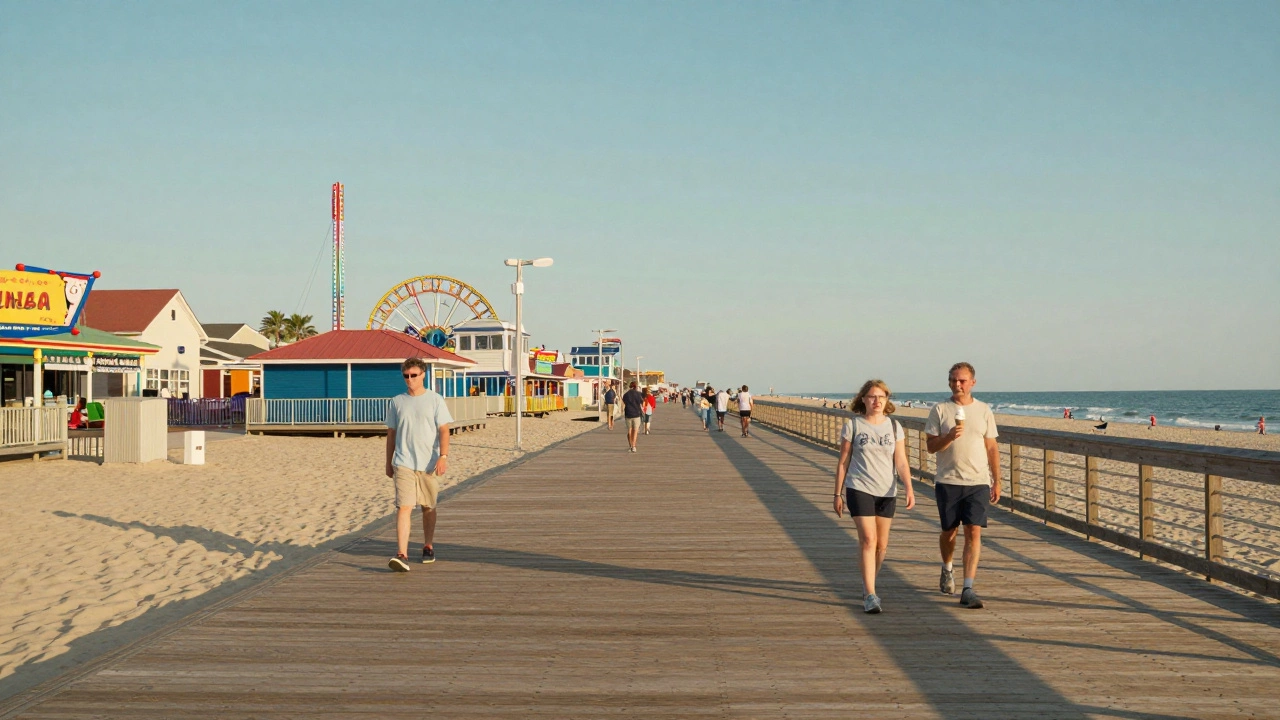
Virginia Beach Summer Planner
Your Personalized Timeline
School Out & Early Arrival
Perfect time to arrive before peak crowds. Mild temperatures (mid-80s°F) make it ideal for outdoor activities.
Peak Season
Expect hot, humid weather (90s°F). Best for beach activities and intensive summer programs.
Wind Down Period
Crowds thin out as families return home. Temperatures begin to moderate slightly.
Weather Expectations
Recommended Programs
It’s easy to picture Virginia Beach as a perpetual sun-soaked paradise. The boardwalk is packed, the waves are rolling, and the humidity is thick enough to wear like a second skin. But if you’re planning a trip there specifically for summer schools, or trying to coordinate family logistics around your child’s academic break, you need more than just postcard imagery. You need the hard numbers on when the heat actually starts, when it peaks, and-crucially-when the local schools let out.
The short answer? Summer in Virginia Beach typically runs from mid-June through late August. That’s about ten weeks of peak season. But for parents and educators, the real question isn’t just about the weather; it’s about how that window aligns with the academic calendar. Let’s break down exactly what those months look like, why the timing matters for students, and how to make the most of that brief but intense stretch of warm weather.
The Official Start: When Does Summer Really Begin?
Meteorologically, summer begins on June 1st. In Virginia Beach, however, the vibe doesn’t always match the calendar. Early June can be tricky. You might get days where the temperature hits 85°F (29°C) and feels glorious, followed by sudden thunderstorms that drop the mercury and keep everyone indoors. It’s not until the second week of June that the consistent warmth sets in.
This timing is critical for families considering educational programs. Many traditional public schools in Virginia release students around mid-June. For instance, the Virginia Beach City Public Schools (VBCPS) often end their regular academic year in early to mid-June. This means there’s a small gap between the last day of school and the true onset of peak summer heat. If you’re looking at enrichment camps or travel programs, this two-week buffer is prime time. The crowds are thinner, the prices are lower, and the weather is pleasant without being oppressive.
The Peak Heat: July and Early August
Once July rolls around, Virginia Beach transforms. Average high temperatures climb into the upper 80s and low 90s Fahrenheit (31-34°C). Humidity levels soar, often exceeding 70%. This is the core of the summer season. The ocean water warms up to a comfortable 80°F (27°C), inviting swimmers, surfers, and beachgoers alike.
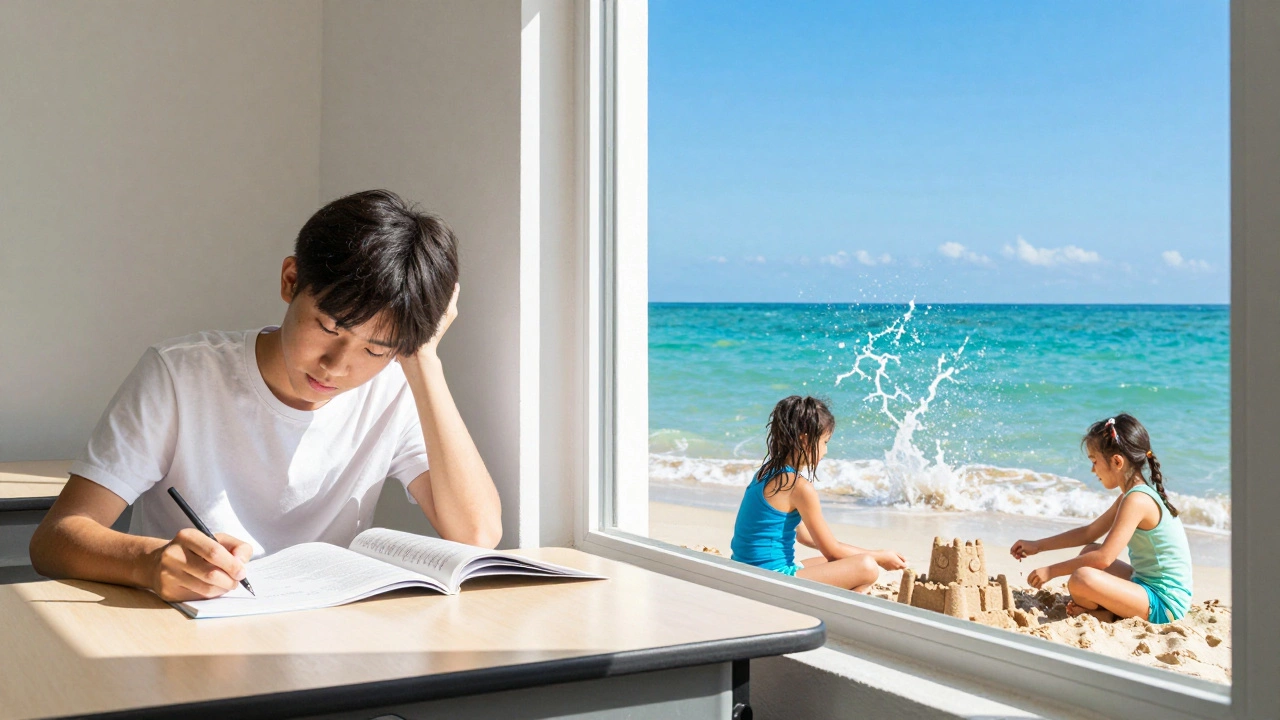
For students, this period is usually reserved for intensive learning blocks. If your child is enrolled in a summer school program designed for academic recovery or advanced placement courses, this is likely when they’ll be attending. These programs often run for three to six weeks, starting in late June or early July. The challenge here is balancing screen time, indoor study, and outdoor exploration. The heat can be exhausting, especially for younger kids who aren’t used to prolonged exposure.
Pro tip: Schedule heavy academic work for the morning hours. By 10 AM, the sun is strong, and the humidity is rising. Use the afternoons for pool time, library visits, or air-conditioned museums. The Virginia Beach Oceanfront has plenty of indoor attractions, including the Virginia Aquarium & Marine Science Center, which offers both education and relief from the heat.
The Wind Down: Late August and the Back-to-School Rush
August in Virginia Beach is a tale of two halves. The first half is still firmly in summer mode-hot, crowded, and vibrant. But as we approach Labor Day (the first Monday in September), things start to shift. Highs may dip slightly into the mid-80s, and the humidity begins to ease. More importantly, the crowd dynamic changes. Families with school-aged children start heading home, preparing for the new academic year.
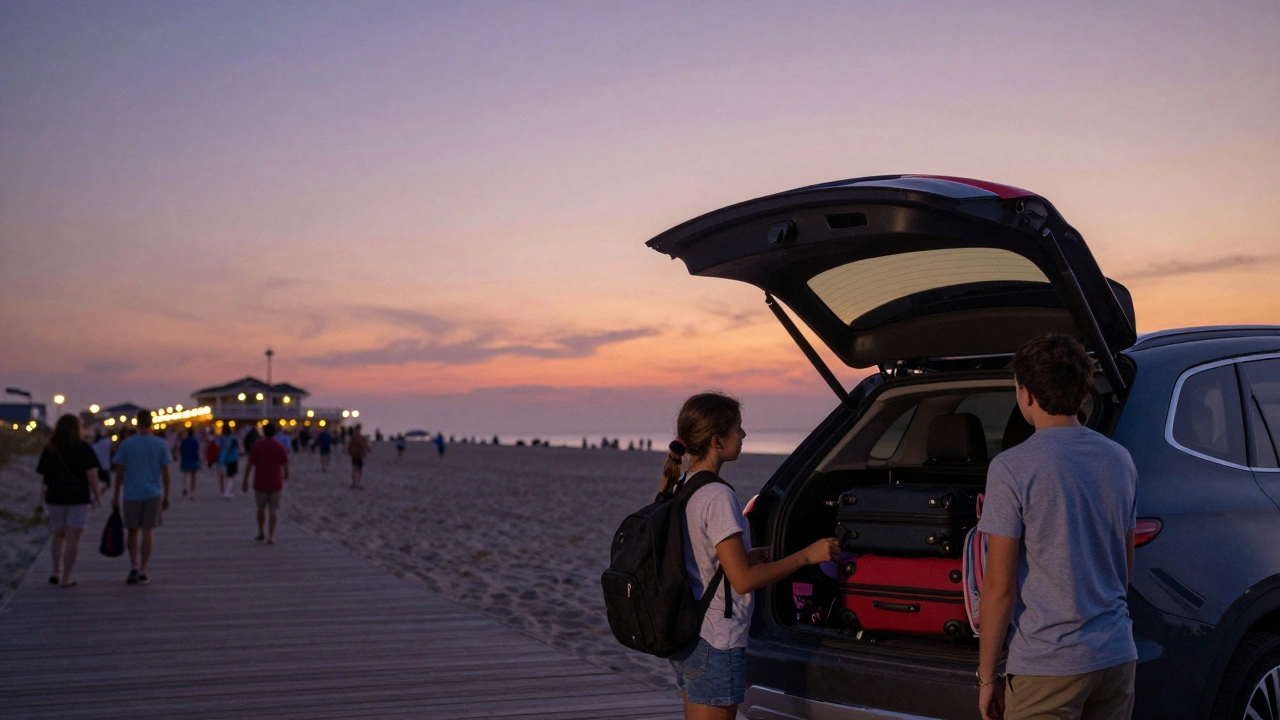
Most Virginia schools resume classes in late August. VBCPS, for example, typically starts its new school year in the last week of August. This creates a natural deadline for any summer plans. If you’re traveling with kids, aim to return by mid-August. This gives you a full week to decompress, do homework, buy supplies, and adjust your sleep schedule before the bells ring again.
Ignoring this timeline can lead to stress. I’ve seen too many families rush back from vacation on Sunday night, only to realize they forgot to pick up textbooks or register for online portals. Give yourself breathing room. The last week of August is not just about packing suitcases; it’s about mental preparation for the routine ahead.
Why Timing Matters for Summer Schools
You might be wondering: Why does the exact length of summer matter if my kid is in school anyway? Because summer schools are not one-size-fits-all. They serve different purposes, and their schedules vary wildly.
- Academic Recovery: These programs help students catch up on missed material. They often start earlier, in late June, and run for four to six weeks. The goal is to ensure students don’t fall behind when the new year starts.
- Enrichment Camps: Focused on arts, sports, or STEM, these camps are shorter-often one to two weeks. They fit neatly into the July window, allowing flexibility for other family trips.
- Advanced Placement (AP) Courses: Some high schools offer AP classes in the summer. These are rigorous and require a significant time commitment, usually spanning the entire month of July.
Understanding these distinctions helps you plan better. If your child needs academic support, prioritize the early part of summer. If they’re thriving academically, save July for fun camps or travel. Don’t overload the schedule. Burnout is real, even in summer.
| Program Type | Typical Duration | Best Time to Attend | Primary Goal |
|---|---|---|---|
| Academic Recovery | 4-6 weeks | Late June - Mid-July | Catch up on core subjects |
| Enrichment Camps | 1-2 weeks | July | Skill development & fun |
| AP Courses | 4-6 weeks | July - Early August | College credit preparation |
| Travel Programs | Variable | June or August | Cultural exposure |
Navigating the Weather: What to Expect
Let’s talk rain. Virginia Beach gets its share of summer storms. Thunderstorms are common in the afternoon and evening, especially in July and August. They’re usually short-lived but can disrupt outdoor plans. Always have a backup activity. Indoor pools, movie theaters, and community centers are lifesavers.
Also, keep an eye on hurricane season. While direct hits are rare, tropical storms can affect the coast from June to November. Most disruptions happen in late summer or early fall. If you’re visiting in August, check the weather forecast closely. Travel insurance is worth considering for extended stays.
Another factor: allergies. Pollen counts can be high in early summer, particularly from grasses and weeds. If your child has seasonal allergies, pack antihistamines and consider limiting outdoor time on windy days.
Planning Your Visit: Practical Tips
If you’re bringing your family to Virginia Beach for the summer, here’s how to maximize the experience without sacrificing education or sanity:
- Book Early: Accommodations fill up fast, especially in July. Reserve your hotel or rental by spring.
- Check School Calendars: Confirm your child’s specific school district dates. Virginia Beach City Public Schools differ from neighboring counties like Norfolk or Chesapeake.
- Mix Learning with Leisure: Use the first week for light academics, then switch to pure play. Balance is key.
- Stay Hydrated: The humidity dehydrates you faster than you think. Carry water bottles everywhere.
- Use Public Transit: The Virginia Beach trolley system is free and connects major attractions. It’s a great way to avoid parking hassles and traffic.
Remember, summer in Virginia Beach is fleeting. It’s intense, beautiful, and demanding. Plan wisely, stay flexible, and enjoy every moment. Whether your child is studying calculus on the boardwalk or building sandcastles at First Landing State Park, the memories will last long after the leaves change color.
When do schools in Virginia Beach let out for summer?
Most public schools in Virginia Beach, including those in Virginia Beach City Public Schools, typically end their academic year in mid-June. Exact dates vary by school, so check your child’s specific district calendar.
Is August too hot for outdoor activities in Virginia Beach?
Early August is still very hot and humid, with highs in the low 90s°F. However, late August sees a slight cooldown. Morning and evening activities are more comfortable, while midday should be spent indoors or near water.
What kind of summer schools are available in Virginia Beach?
Options include academic recovery programs for struggling students, enrichment camps focusing on arts or STEM, and advanced placement courses for high schoolers. Private organizations also offer specialized camps in sports and technology.
Does Virginia Beach get hurricanes in summer?
Hurricane season runs from June to November, but direct hits are uncommon. Tropical storms can bring heavy rain and wind, especially in late summer. Monitor forecasts and consider travel insurance for peace of mind.
How many weeks of summer break do Virginia students get?
Students typically receive about 10 to 11 weeks of summer break, from mid-June to late August. This aligns with the peak tourist season and provides ample time for rest, travel, and optional learning programs.