

Private Tutoring Session Structure Generator
Create a predictable rhythm for your tutoring sessions to reduce anxiety and maximize learning efficiency.
Enter details above to generate your structured session plan.
Ever sat in a tutoring session feeling like you’re just winging it? You know the material. The student knows they need help. But between the small talk and the panic when the student stares blankly at page four, the actual learning feels scattered. It’s not just about knowing the answer; it’s about building a bridge from where the student is now to where they need to be. Without a solid structure, even the best tutors burn out fast, and students stop seeing results.
Structuring private tutoring isn’t about rigid military drills. It’s about creating a predictable rhythm that reduces anxiety for both of you. When a student knows what to expect, their brain stops worrying about the process and starts focusing on the content. This guide breaks down exactly how to build that framework, from the very first handshake to the final goodbye.
The Foundation: The Initial Assessment
Before you ever open a textbook or write a lesson plan, you need to understand who you are working with. Most new tutors skip this and jump straight into teaching Chapter One. That’s a mistake. You aren’t teaching a vacuum; you’re teaching a person with specific gaps, habits, and goals.
Start with a diagnostic session. This shouldn’t feel like a test. Think of it as an interview mixed with a low-stakes quiz. Ask them why they are there. Is it because they failed a midterm? Are they bored and want to get ahead? Or do they just hate math? The reason dictates your approach. If they are anxious, your structure needs more reassurance and slower pacing. If they are ambitious, you can push harder earlier.
Use this time to map out their "knowledge graph." What do they know cold? What do they kind of remember? What is completely foreign? Write this down. This document becomes your north star for the next six weeks. Without it, you are guessing every time you meet.
Designing the Session Arc
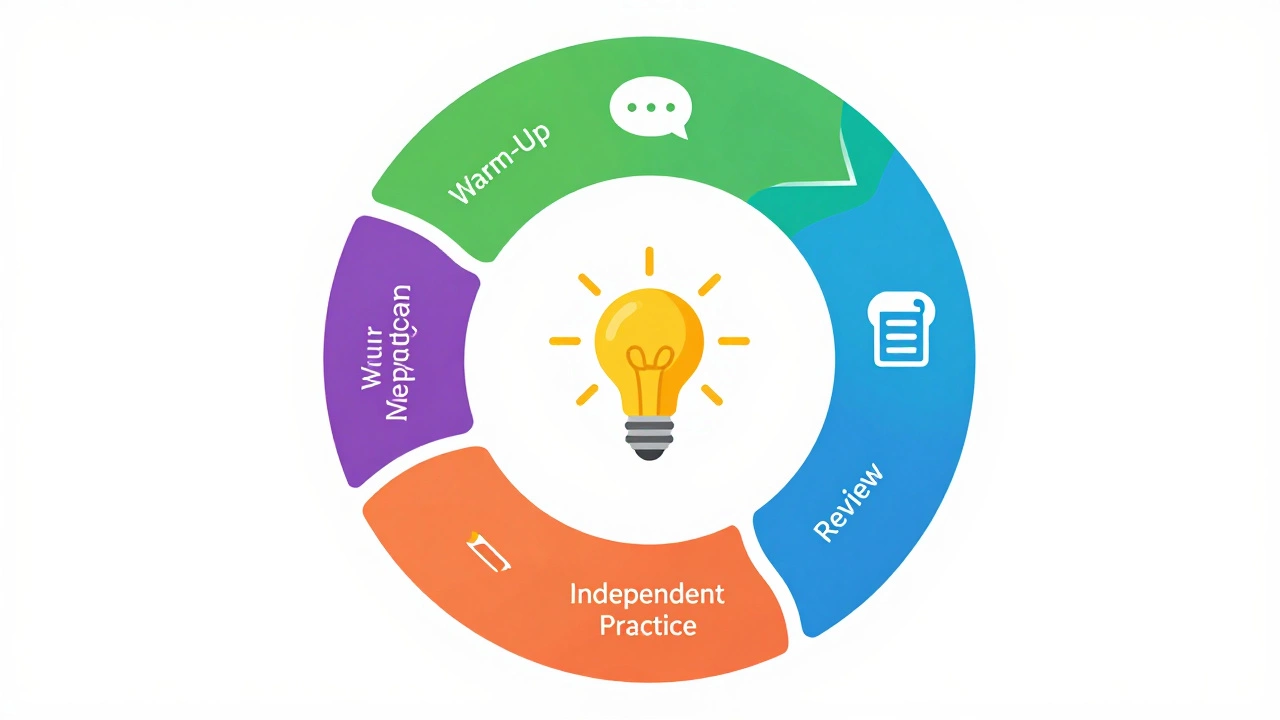
Once you know the baseline, you need a template for each individual session. A standard one-hour tutoring session should never be sixty minutes of non-stop lecturing. That doesn’t work. Attention spans drop after fifteen minutes, especially if the topic is difficult. Instead, break the hour into distinct blocks.
Here is a reliable arc that works for most subjects:
- Minutes 0-5: The Warm-Up & Check-In. Don’t dive in immediately. Ask how their week was. Did they do the homework? If yes, great. If no, don’t scold them yet-just note it. Then, ask them to recall one thing from last week. This activates prior knowledge.
- Minutes 5-15: Review & Correction. Go over the previous session’s material. Correct misconceptions immediately. If they got a problem wrong, ask them to explain *why* they thought it was right. This reveals the root error, not just the symptom.
- Minutes 15-40: New Content & Guided Practice. This is the core. Introduce the new concept using simple language. Use analogies. Then, solve two or three problems together. You lead, they follow. Then, they lead, you guide. Never let them struggle alone for more than two minutes without a hint.
- Minutes 40-55: Independent Application. Give them a fresh set of problems or questions. They must do these alone. This is where real learning happens. Watch their process. Do they hesitate? Do they rush? Intervene only if they are stuck, not if they are slow.
- Minutes 55-60: Wrap-Up & Preview. Summarize what was learned. Assign specific, manageable homework. Tell them exactly what you will cover next time so they can mentally prepare.
This structure provides variety. It mixes passive listening with active doing. It ensures that every minute has a purpose. If you find yourself rambling during the "New Content" phase, check your watch. You’ve lost the structure.
The Role of Homework and Accountability
Tutoring often fails because of what happens *between* sessions. You can teach them everything in the room, but if they don’t practice at home, the neural pathways don’t strengthen. Homework isn’t punishment; it’s repetition.
However, generic homework is useless. Don’t say, "Do pages 12 to 14." Say, "Do problems 1, 3, and 5 on page 12 because those use the formula we practiced today. Skip 2 and 4 because you already know those." Specificity breeds compliance. Students are more likely to do work that feels targeted and achievable rather than overwhelming.
You also need a system for tracking completion. Keep a simple log. Did they bring it? Did they attempt it? If they didn’t, discuss barriers. Was it too hard? Did they forget? Adjust the next session accordingly. If they consistently skip homework, shorten the "Review" block and spend more time on guided practice during the session. Adapt the structure to the reality of the student’s life.
Adapting to Different Learning Styles
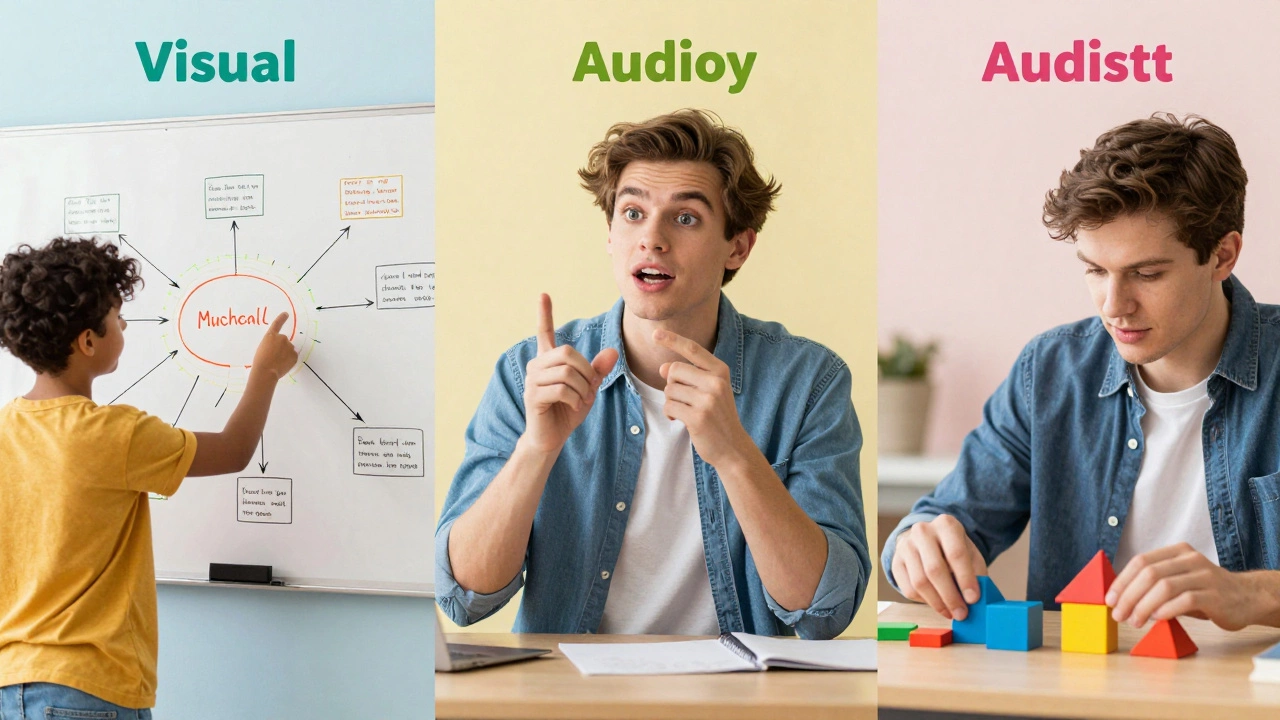
No two students learn the same way. Your structure must be flexible enough to accommodate visual, auditory, and kinesthetic learners. If you have a rigid script, you will miss these cues.
For visual learners, your "New Content" block should include diagrams, color-coded notes, or mind maps. Draw things out. For auditory learners, encourage them to talk through their reasoning. Let them explain the steps aloud while you listen. For kinesthetic learners, use physical objects or have them stand up and move around if possible. Maybe they need to write the equation on a whiteboard instead of paper.
| Session Block | Visual Learner Adjustment | Auditory Learner Adjustment | Kinesthetic Learner Adjustment |
|---|---|---|---|
| New Content | Use charts, graphs, and color coding | Explain concepts verbally, use stories | Use manipulatives, hands-on demos |
| Guided Practice | Show step-by-step written examples | Think-aloud protocol, verbal walkthroughs | Walk through problems on a board |
| Independent Application | Provide reference sheets with visuals | Allow recording of explanations | Let them pace while solving |
Notice how the core structure remains the same, but the delivery changes. This flexibility keeps students engaged. If a student is zoning out, switch modes. Start drawing if they were listening. Start talking if they were reading. Keep the energy dynamic.
Managing Expectations and Progress
Parents and older students often expect instant miracles. "Can you fix his grade in two weeks?" No. You need to manage expectations early. Set realistic milestones. Instead of promising an A, promise that they will understand quadratic equations by month two. Break big goals into small wins.
Track progress visibly. Use a simple spreadsheet or a wall chart. Mark off completed topics. Celebrate small victories. "You solved this type of problem correctly three times in a row. That’s huge." Positive reinforcement builds confidence, which is often the missing ingredient in struggling students.
If progress stalls, revisit the Diagnostic Assessment. Have you moved too fast? Is there a foundational gap you missed? Sometimes you need to backtrack. It’s better to spend a week reviewing basic fractions than to fail at algebra because the foundation is cracked. Be honest with the student and parents about setbacks. Transparency builds trust.
Tools and Resources for Structured Tutoring
You don’t need expensive software to structure your tutoring. Simple tools work best. A dedicated notebook for each student is essential. Write down observations, not just lessons. Note if they seem tired, distracted, or excited. These clues help you adjust future sessions.
Consider using digital flashcards for vocabulary or formula memorization. Apps like Anki or Quizlet allow for spaced repetition, which is scientifically proven to improve long-term retention. Share the deck with the student so they can review on their phone between sessions.
For scheduling, use a shared calendar. Send reminders 24 hours before the session. Include the agenda in the reminder. "Tomorrow we are tackling trigonometry identities. Please bring your calculator." This prepares the student mentally and reduces no-shows.
When to Pivot and Change Direction
Even the best structure fails sometimes. Maybe the student had a bad day. Maybe the topic is just not clicking. Know when to abandon the plan. If you see frustration rising, stop. Switch to a lighter topic. Do a quick puzzle. Laugh. Reset the emotional state. Learning cannot happen in a state of high stress.
Also, be ready to pivot based on exam dates. If a major test is coming up in two weeks, your structure shifts from broad coverage to targeted review. Focus on high-yield topics. Practice under timed conditions. Simulate the exam environment. Flexibility is part of the structure. It’s not rigidity; it’s responsiveness.
How long should a typical private tutoring session last?
Most experts recommend 45 to 60 minutes for younger students (elementary to middle school) and 60 to 90 minutes for high school or college students. Shorter sessions prevent fatigue, while longer sessions allow for deeper dives into complex topics. Always end five minutes early to wrap up cleanly.
What should I do if the student doesn't do their homework?
First, investigate the cause. Is it too hard? Too boring? Forgetful? Adjust the assignment to be smaller and more specific. During the session, spend less time reviewing old material and more time on guided practice. Make the in-session work count more heavily if home practice is inconsistent.
How do I handle a student who is significantly behind?
Focus on foundational gaps first. Use your diagnostic assessment to identify the earliest point where understanding broke down. Spend the first few sessions rebuilding those basics before moving to current curriculum. Communicate clearly with parents that progress may be slow initially but is necessary for long-term success.
Is it better to tutor online or in-person?
It depends on the subject and student. In-person is often better for hands-on subjects like science labs or young children who need physical engagement. Online tutoring offers flexibility and access to digital tools like shared whiteboards. Many tutors offer hybrid models to maximize benefits.
How often should I meet with my tutee?
Weekly sessions are the standard for most academic support. Bi-weekly sessions work for maintenance or advanced students. Daily sessions are rarely sustainable and can lead to dependency. Consistency is key; try to keep the same day and time each week to build routine.