
Homeschooling Cost & Feasibility Estimator
Estimate the hidden costs of homeschooling beyond just textbooks. Includes lost income, resource expenses, and time commitments.
Estimated Annual Impact
You’ve probably heard the shiny version of homeschooling: flexible schedules, no bullies, and your child mastering calculus at age eight. It sounds perfect, right? But if you’re seriously considering pulling your kids out of school-or if you’re already deep in it and wondering why Tuesday feels like a war zone-you need to hear the other side. Yes, there are downsides to homeschooling. And they aren’t just about missed recess games.
As someone living in Adelaide, I’ve watched families navigate this path for years. Some thrive; others hit walls they didn’t see coming. The truth is, homeschooling isn’t inherently better or worse than traditional schooling. It’s just different, with its own set of trade-offs. If you ignore these risks, you might find yourself burnt out, under-resourced, or struggling to prove your child’s education to universities later on. Let’s break down the real pitfalls, not the scary myths, so you can decide if this path fits your family.
The Socialization Myth vs. Reality
Everyone asks about socialization. It’s the first thing grandparents worry about. "Will my kid become a hermit?" Here’s the nuance: traditional schools offer proximity, not necessarily quality friendships. Your child sits next to peers because of their birth date, not shared interests. In homeschooling, you have to build social connections intentionally. This takes effort. You join co-ops, sports leagues, and community groups. If you don’t, yes, isolation happens.
But here’s the downside people rarely discuss: the lack of exposure to diverse viewpoints. In a classroom, your child interacts with kids from different socioeconomic backgrounds, political views, and cultural norms daily. They learn to navigate conflict with people they didn’t choose. In homeschooling, you often curate the environment. You pick friends who align with your values. That’s comfortable, but it can create an echo chamber. When these kids eventually enter university or the workforce, they might struggle with navigating environments where they can’t simply walk away from disagreements. You have to actively work to expose them to difference.
Academic Rigor and Gaps
Parents are experts in loving their children, not necessarily in teaching advanced chemistry or foreign languages. As kids grow older, the curriculum gets harder. A parent who was great at teaching reading in Year 3 might feel lost trying to explain organic chemistry in Year 11. This leads to two common problems: lowering standards or outsourcing too much.
If you lower standards, your child might miss foundational knowledge. Universities look for transcripts that show rigorous coursework. If your records look light compared to peers, you’ll need to provide extra proof of ability, like standardized test scores or portfolio reviews. On the flip side, if you outsource everything to tutors or online courses, you’re essentially recreating school without the structure. You pay more, manage more logistics, and lose the flexibility benefit. The key is honesty about your limits. Know when to step back and let a specialist take over.
| Option | Cost Implication | Parent Effort | Best For |
|---|---|---|---|
| Self-Teaching | Low (Books/Curriculum) | High (Planning/Grading) | Younger children, strong parental subject mastery |
| Co-op Classes | Medium (Fees/Time) | Medium (Scheduling/Transport) | Social interaction, group projects |
| Online Schools | Medium-High (Subscriptions) | Low-Medium (Monitoring) | Structured curriculum, independent learners |
| Private Tutors | High (Hourly Rates) | Low (Scheduling only) | Specific subject gaps, exam prep |
Parent Burnout and Role Confusion
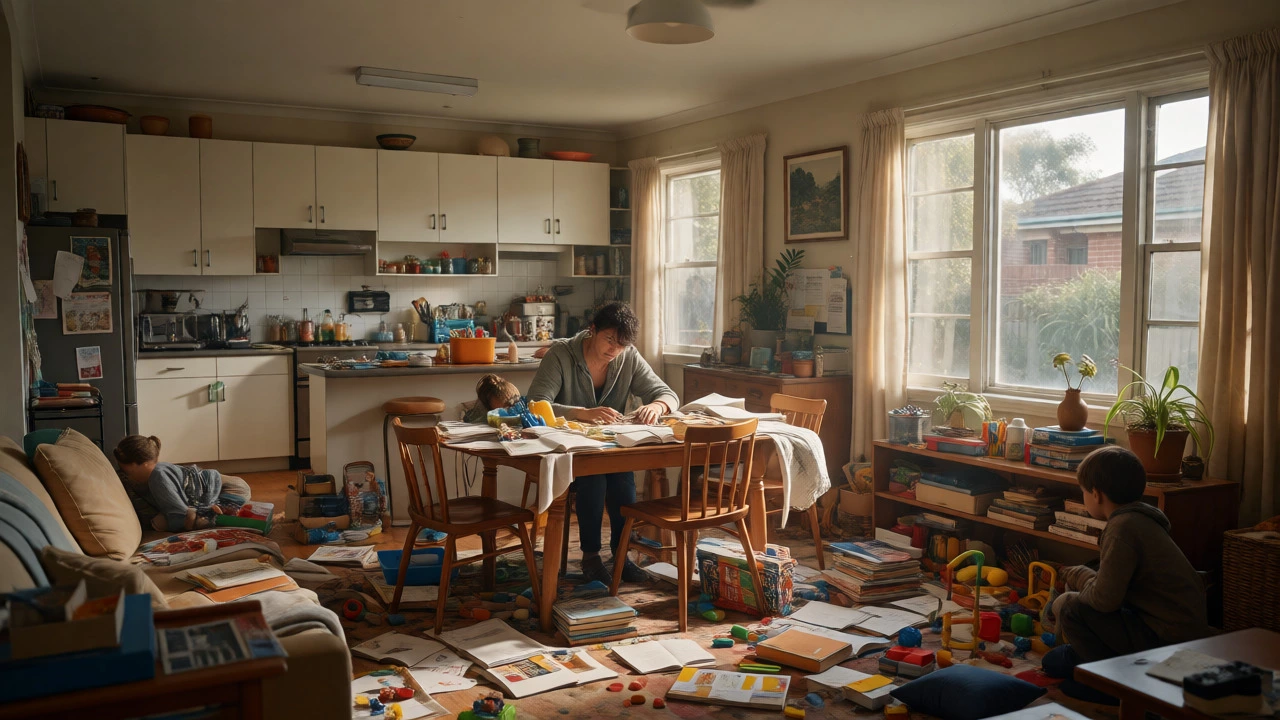
This is the big one nobody talks about enough. You are now the teacher, the principal, the counselor, and the friend. All day. Every day. The line between "parent" and "teacher" blurs. When your child refuses to do math, is that a parenting issue or an educational one? How do you discipline them without undermining their trust?
Burnout is real. Studies suggest high rates of stress among homeschooling parents, particularly mothers who often take on the primary teaching role. You lose your downtime. If your child has a bad day, you have a bad day. There’s no bell ringing to signal the end of the shift. To mitigate this, you need strict boundaries. Set "school hours." Have days off where you are just mom or dad, not the instructor. Get help. Share the load with a partner if possible. Remember, a stressed-out teacher teaches poorly. Your mental health impacts their learning more than any textbook.

Documentation and Legal Hurdles
In Australia, regulations vary by state. In South Australia, you must register with the Department for Education. You need to submit learning plans and undergo annual assessments. Miss a deadline, and you could face fines. This bureaucratic overhead is invisible until it hits you.
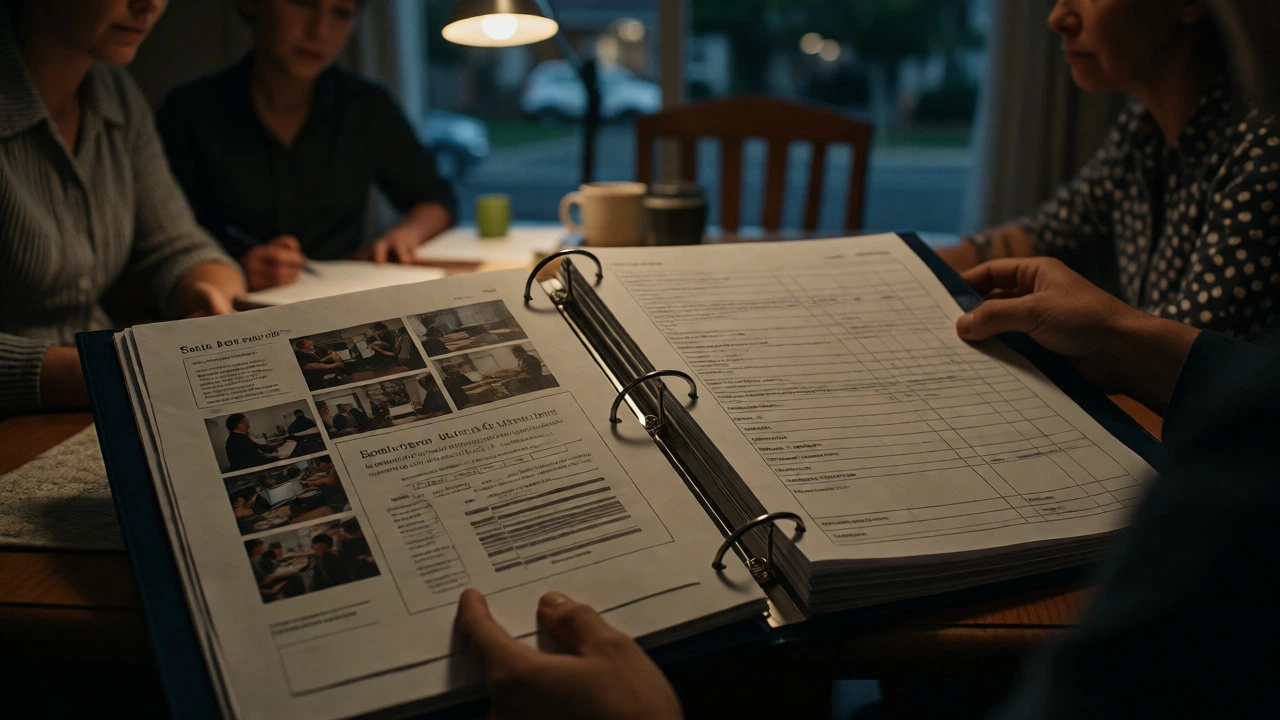
Furthermore, keeping records is tedious. You need to document attendance, completed work, and progress reports. If you plan to send your child to university, these records matter. Some universities require specific portfolios or interviews for home-educated students. You can’t just hand over a report card from "Home School Inc." You need evidence. Start early. Keep a file of projects, photos of science experiments, and graded assignments. Don’t wait until Year 12 to figure out what your child actually learned.
The Financial Reality
Homeschooling isn’t free. You buy textbooks, software, lab kits, art supplies, and internet data. If you hire tutors, costs skyrocket. Plus, one parent often reduces work hours or quits entirely. That loss of income is a massive hidden cost. Calculate it. If one parent earns $80,000 a year and drops to part-time, that’s $40,000 less in household income. Add $5,000 for resources, and you’re looking at significant financial shifts. Ensure your budget reflects this reality before you commit.
When It Might Not Be Right for You
Homeschooling works best for families with strong organizational skills, emotional resilience, and a support network. It’s harder if you dislike routine, struggle with authority conflicts, or live in rural areas with few co-op options. Also, consider your child’s personality. Some kids crave the chaos and noise of a large school. They feed off energy. Others prefer quiet focus. Know your child. If they are highly extroverted and need constant peer validation, homeschooling requires extra effort to meet those needs.
It’s also worth noting that distance learning tools have changed the game. Platforms like Khan Academy or local Australian providers offer structured pathways that reduce the planning burden. Using these doesn’t mean you’re failing as a homeschooler; it means you’re smart with resources.
Frequently Asked Questions
Do homeschooled kids get into university easily?
Yes, but the process differs. Many Australian universities accept ATAR results through external exams or use portfolio-based admissions. You need to start documenting achievements early. Check specific entry requirements for each institution well before Year 11.
How do I handle socialization if we live rurally?
Rural families often rely on digital communities, regional co-ops, and sports clubs. Distance learning platforms connect kids globally. Focus on quality interactions rather than quantity. Regular visits to town for library programs or scouting can bridge the gap.
What if I’m not good at math or science?
You don’t need to be an expert. Use online video lessons, hire a tutor for difficult topics, or join a science co-op. Your role is facilitator, not lecturer. Admitting you need help models good learning behavior for your child.
Is homeschooling legal in all of Australia?
Yes, but regulations differ by state and territory. In South Australia, registration is mandatory. In some states, notification suffices. Always check your local Department for Education guidelines to stay compliant.
How much time does planning take?
Initially, it can take 5-10 hours a week per child. Once routines are established, this drops significantly. Using pre-packaged curricula reduces planning time drastically. Flexibility allows you to adjust based on your child’s pace.
Next Steps for Parents Considering the Leap
If the downsides sound manageable, try a trial run. Do a month of homeschooling during holidays. See how your family handles the dynamic. Talk to local homeschooling networks in Adelaide or your region. Ask them specifically about their struggles, not just their wins. Join a Facebook group or forum dedicated to Australian homeschooling. Gather real data on costs and outcomes. Make your decision based on your family’s unique strengths, not Instagram highlights.