
SAT Difficulty: What Makes the Test Hard and How to Tackle It
When people talk about SAT difficulty, the perceived challenge of the SAT as a standardized college admissions test in the U.S., they’re not just complaining—they’re reacting to real patterns in how the test is built, scored, and experienced. The SAT, a standardized test used by U.S. colleges to assess readiness for higher education. isn’t hard because it’s full of trick questions. It’s hard because it demands speed, stamina, and precision under pressure. Unlike school exams, where you study a unit and move on, the SAT covers everything from algebra to rhetoric, all in under three hours. And it’s not just about knowing the material—it’s about knowing how to beat the clock.
What makes SAT difficulty, the perceived challenge of the SAT as a standardized college admissions test in the U.S. worse for some is the mismatch between how schools teach and how the test assesses. Many students ace their math classes but freeze when faced with SAT word problems that hide the math in layers of confusing language. Others read well but get lost in the pacing of the reading section, where they have to digest dense passages and answer questions in under a minute. The SAT scores, numerical results from the SAT that colleges use to compare applicants. don’t just reflect knowledge—they reflect preparation, strategy, and mental endurance. And that’s why so many students who do well in school still struggle to hit their target scores.
It’s not all bad news. The SAT prep, structured practice and study methods designed to improve performance on the SAT. that works isn’t about cramming or memorizing formulas. It’s about understanding the test’s rhythm—how questions are ordered, what traps to watch for, when to guess, and when to skip. Real students who improved their scores didn’t just study harder—they studied smarter. They practiced with real tests, tracked their mistakes, and learned to manage their energy like athletes. The same goes for college admissions, the process by which students apply to and are accepted by higher education institutions.. Colleges don’t just look at your SAT score—they look at your whole picture. But a strong score can open doors that otherwise stay shut, especially for students from under-resourced schools or those applying to competitive programs.
If you’re wondering if the SAT is worth the stress, the answer depends on your goals. Some schools are test-optional, but many still use scores to screen applicants or award scholarships. Even if you’re not aiming for an Ivy League, a solid SAT score can make a difference in scholarship offers, placement in honors courses, or even admission to state universities with high demand. The key isn’t to fear the test—it’s to understand it. Below, you’ll find real stories from students who turned their SAT struggles into breakthroughs, tips from tutors who know what actually works, and data that shows where most people lose points—and how to avoid it.
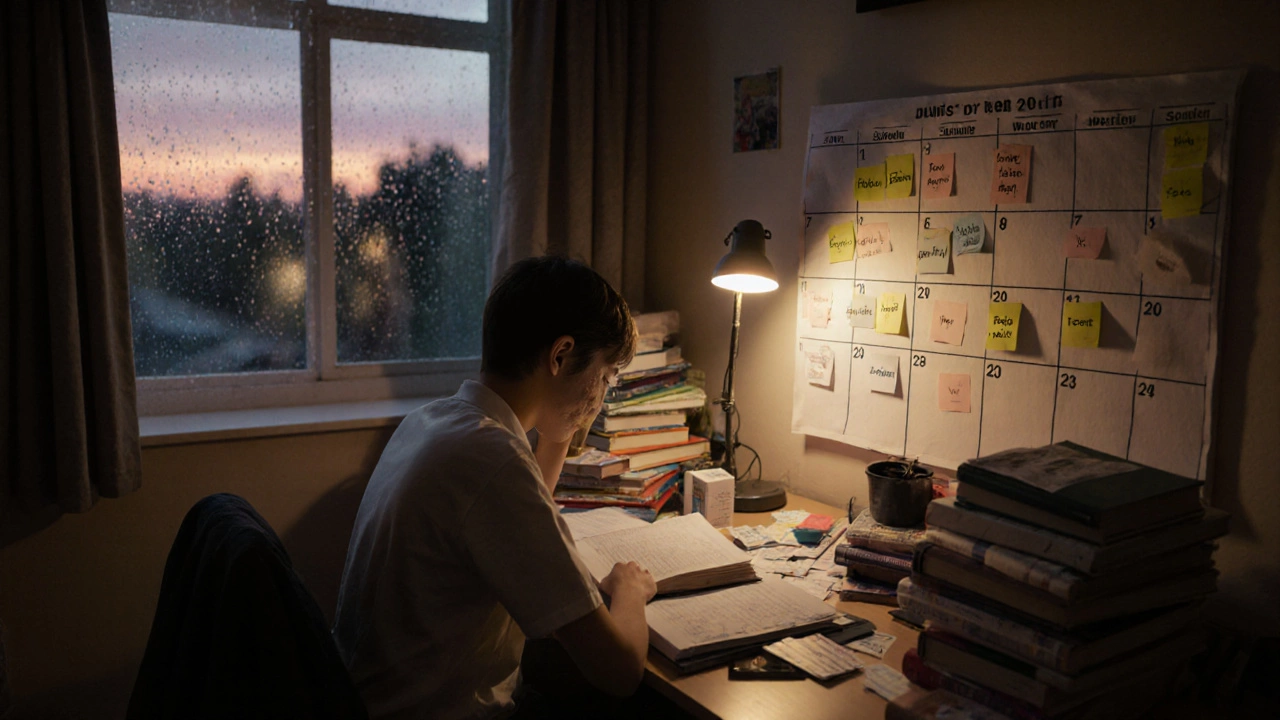
Is GCSE More Difficult Than SAT? A Clear Comparison for Students and Parents
- by Eliza Fairweather
- on 30 Nov 2025
GCSEs and the SAT test very different skills. GCSEs require steady, long-term effort across multiple subjects, while the SAT is a timed, strategic test focused on critical thinking. Which is harder? It depends on your learning style.