

Blueberry Brain Health Estimator
Discover how much blueberries you need to eat to potentially delay cognitive aging. Based on research linking anthocyanins to slower rates of mental decline.
Cognitive Delay Potential
Potential delay in cognitive aging: 0.8 years
Comparison: Blueberries vs. Common Snacks
| Food Item | Antioxidants | Brain Benefit |
|---|---|---|
| Blueberries | High | Memory & Inflammation |
| Apples | Moderate | General Heart Health |
| Bananas | Low | Quick Energy |
| Candy Bar | Negligible | Sugar Crash Risk |
You’re sitting in a quiet library, staring at a textbook that feels like it’s written in another language. Your memory slips, your focus drifts, and you wonder if this is just stress or something more permanent. While we can’t stop time, new research suggests one specific fruit might be your secret weapon against brain fog and long-term cognitive decline.
The answer isn’t exotic goji berries from the Himalayas or rare dragon fruits. It’s something likely already in your local supermarket: Blueberries. These small, dark blue orbs are packed with compounds called anthocyanins, which have been linked to slower rates of age-related mental decline. But why do researchers keep pointing to this specific berry? And how does eating them actually change what happens inside your head?
Why Blueberries Stand Out Among Fruits
Not all fruits are created equal when it comes to brain health. While apples and oranges are great for general wellness, blueberries sit on a different pedestal in nutritional science. The key lies in their pigment. That deep blue color isn’t just for looks; it signals a high concentration of Flavonoids, specifically anthocyanins.
A major study published in Annals of Neurology followed over 16,000 women for two decades. The results were striking: those who consumed higher amounts of blueberries and strawberries experienced delays in cognitive aging by up to 2.5 years. Think about that. Eating a handful of berries regularly didn’t just make them feel healthier; it effectively bought their brains extra time. This effect wasn’t seen as strongly with other fruits like bananas or grapes, making blueberries uniquely powerful in this context.
The mechanism is straightforward but fascinating. Anthocyanins cross the blood-brain barrier, a protective filter that keeps many substances out of your brain. Once inside, they reduce inflammation and oxidative stress-two of the biggest drivers of neurodegenerative diseases like Alzheimer’s. They also improve communication between neurons, helping your brain cells talk to each other more efficiently.
The Science Behind Cognitive Protection
To understand why this matters for students and exam takers, you need to look at how memory works. Your hippocampus is the part of the brain responsible for forming new memories. As we age, this area naturally shrinks. But studies using MRI scans have shown that older adults who ate blueberries daily had less shrinkage in the hippocampus compared to those who didn’t.
This isn’t just theoretical. In a controlled trial involving adults aged 68 to 79, participants who drank wild blueberry juice every day for 12 weeks showed significant improvements in word recall and learning tasks. Their brain activity patterns also shifted toward more efficient processing. For anyone preparing for exams, this translates to better retention of facts and faster retrieval during tests.
It’s not magic, though. You won’t eat one bowl of blueberries before an exam and suddenly remember everything you studied last year. The benefits accumulate over months and years. Consistency is key. Think of it as compound interest for your brain cells.

How to Add Them to Your Diet Without Breaking the Bank
Fresh blueberries can be expensive, especially off-season. But here’s the good news: frozen blueberries are often just as nutritious, sometimes even more so because they’re picked at peak ripeness and flash-frozen immediately. A cup of frozen blueberries costs significantly less than fresh ones and lasts longer in your freezer.
Here are three simple ways to incorporate them into your routine:
- Morning Smoothie: Blend a cup of frozen blueberries with yogurt and oats. This gives you protein, fiber, and antioxidants in one go.
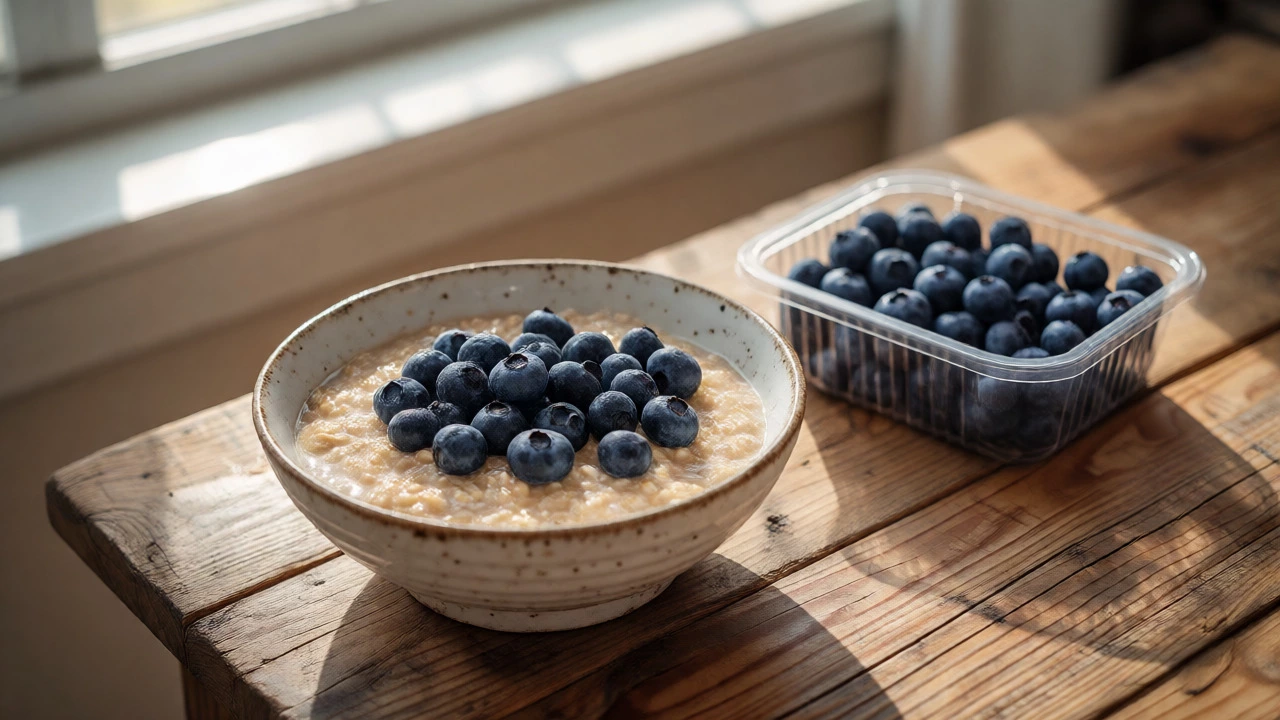
- Oatmeal Topping: Sprinkle fresh or thawed blueberries on your morning porridge. The natural sweetness reduces the need for added sugar.
- Snack Pack: Keep a small container of washed blueberries in your fridge. They’re easy to grab between study sessions, unlike messy apples or bananas.
If you’re worried about pesticide residue, buying organic is ideal, but conventional blueberries still offer substantial benefits. Just wash them thoroughly before eating.
Beyond Memory: Other Benefits for Students
While dementia prevention gets the headlines, blueberries offer immediate perks for people in high-pressure academic environments. Their anti-inflammatory properties may help combat the physical stress response triggered by exam anxiety. Chronic stress raises cortisol levels, which can impair memory formation. By reducing systemic inflammation, blueberries may help buffer some of these effects.
Additionally, the fiber content in blueberries supports gut health. Emerging research highlights the "gut-brain axis," suggesting that a healthy microbiome influences mood and cognitive function. So, by feeding your gut bacteria with prebiotic fibers from berries, you’re indirectly supporting your mental clarity.
| Food Item | Antioxidant Capacity (ORAC) | Sugar Content (per 100g) | Brain Health Benefit |
|---|---|---|---|
| Blueberries | High (4,669 µmol TE) | 10g | Improves memory, reduces inflammation |
| Apples | Moderate (3,049 µmol TE) | 10g | General heart health, mild antioxidant boost |
| Bananas | Low (795 µmol TE) | 12g | Quick energy, potassium for nerve function |
| Candy Bar | Negligible | 50g+ | Short-term glucose spike, potential crash later |
Common Misconceptions About Superfoods
Don’t fall into the trap of thinking blueberries are a cure-all. They won’t reverse advanced Alzheimer’s disease, nor will they replace sleep or exercise. If you’re pulling all-nighters and living on instant noodles, adding blueberries won’t save your grades or your brain health alone.
Also, beware of blueberry-flavored products. Many store-bought muffins or juices contain minimal actual fruit and loads of added sugar. High sugar intake is linked to insulin resistance, which negatively impacts brain function. Always check the label. If blueberries aren’t near the top of the ingredient list, it’s probably not doing much for your cognition.
Another myth is that you need exotic superfruits like açai or noni. While these have their place, the scientific evidence for blueberries is far more robust, backed by large-scale longitudinal studies and randomized controlled trials. Stick with what works and what’s accessible.
Practical Tips for Exam Season
If you’re currently studying for exams, here’s a quick action plan:
- Buy Frozen: Grab a large bag of frozen wild blueberries. They’re cheaper and nutrient-dense.
- Daily Habit: Aim for half a cup to one cup per day. Consistency beats intensity.
- Pair with Protein: Combine with nuts or yogurt to stabilize blood sugar levels during long study blocks.
- Hydrate: Drink water alongside your snacks. Dehydration mimics cognitive fatigue.
Remember, your brain consumes about 20% of your body’s energy despite being only 2% of its weight. Fueling it properly isn’t optional-it’s essential for performance.
Do blueberries really prevent dementia?
Research suggests that regular consumption of blueberries is associated with a slower rate of cognitive decline, potentially delaying the onset of dementia symptoms by several years. However, they are not a guaranteed cure or complete prevention method, but rather a protective factor within a broader healthy lifestyle.
Are frozen blueberries as good as fresh ones?
Yes, frozen blueberries retain most of their nutrients, including anthocyanins, because they are typically frozen shortly after harvest. In some cases, frozen berries may even have higher antioxidant levels than fresh ones that have been transported over long distances.
How many blueberries should I eat daily?
Most studies showing cognitive benefits used approximately one cup (about 150 grams) of blueberries per day. Even smaller amounts, such as half a cup, may provide benefits if consumed consistently over time.
Can blueberries help with exam stress?
While not a direct treatment for stress, blueberries' anti-inflammatory properties and ability to support blood sugar stability can help mitigate some physiological effects of stress, potentially improving focus and reducing brain fog during intense study periods.
Is blueberry juice a good substitute?
Whole blueberries are preferable due to their fiber content, which slows sugar absorption. If you choose juice, ensure it is 100% pure with no added sugars. However, you lose the satiety and digestive benefits of the whole fruit.