
Early Years Brain Development Calculator
Based on research showing that 90% of brain development occurs before age five, this tool estimates the percentage of foundational brain growth completed for a child of a specific age.
You might think that the first few years of a child's life are just about naps, snacks, and playing with blocks. But if you look closer, those moments are actually laying the foundation for everything that comes next. The purpose of early years education isn't just to keep kids busy until they're old enough for school. It is about wiring their brains for success.
Research shows that 90% of brain development happens before age five. That is a staggering number. It means that what happens in these early years doesn't just affect how well a child does in kindergarten; it shapes how they handle stress, build relationships, and solve problems for the rest of their lives. So, why do we invest so much in this stage? Let's break down the real reasons behind early childhood learning.
Building the Brain's Infrastructure
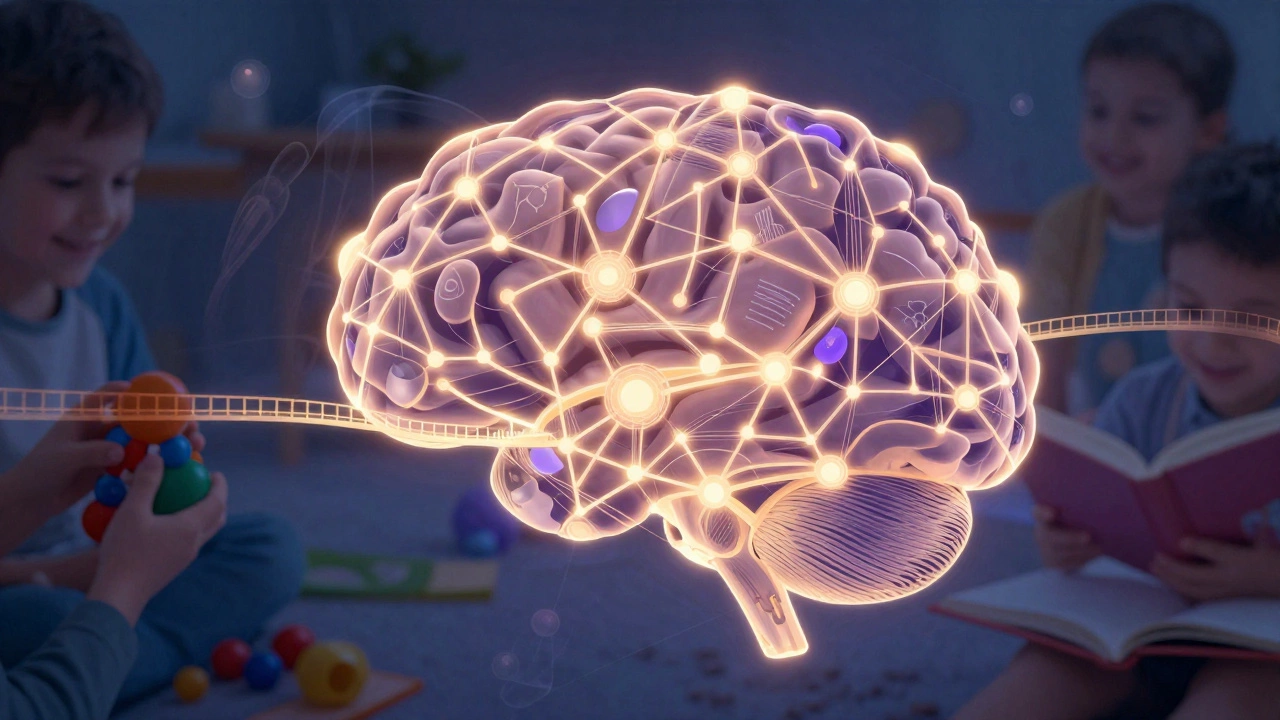
Think of a baby’s brain like a construction site. In the first few years, millions of neural connections are being built every second. These connections form the basis for how a child thinks, feels, and acts. Early years education provides the raw materials and the blueprint for this construction.
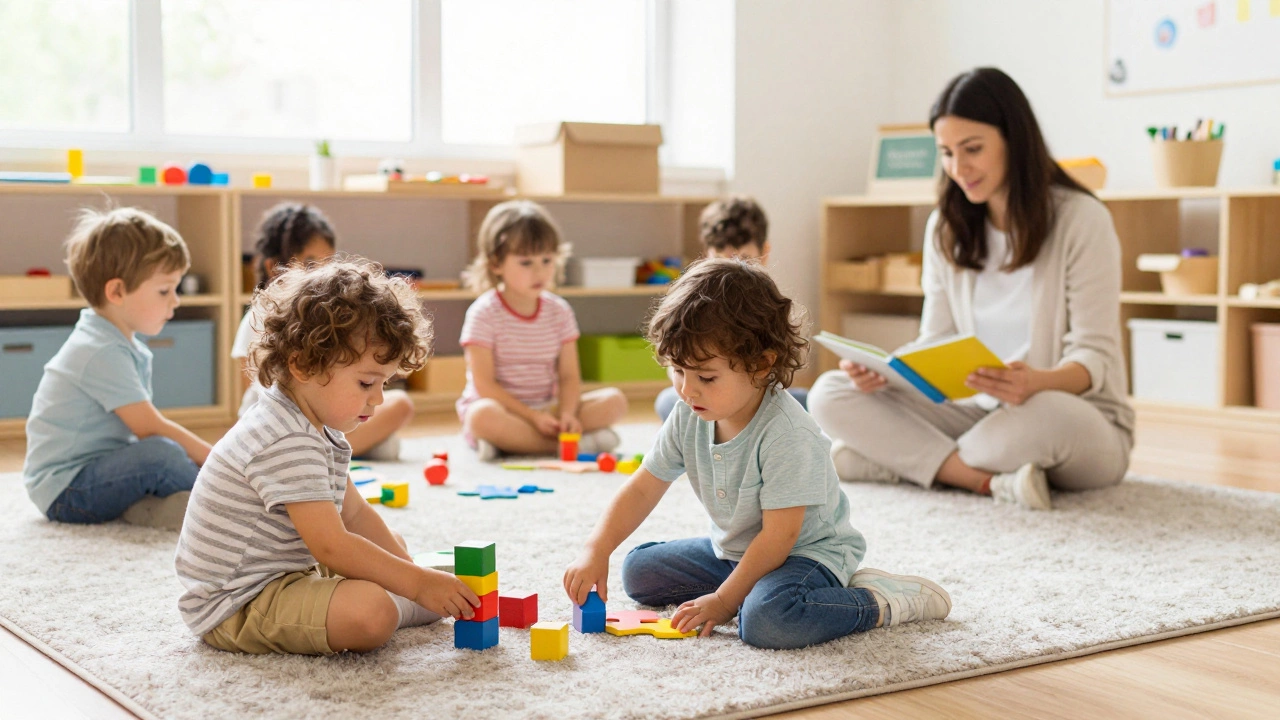
When a child interacts with a teacher or plays with peers, they are not just having fun. They are strengthening synaptic pathways. For example, when a toddler learns to share a toy, they are developing impulse control and empathy. These aren't soft skills; they are critical cognitive functions. Without structured early learning environments, many children miss out on the stimulation needed to build these strong neural networks. This is why high-quality early education is linked to better academic outcomes later in life.
| Development Area | Key Activities | Long-Term Impact |
|---|---|---|
| Cognitive | Puzzles, counting games, reading | Better problem-solving and academic readiness |
| Social-Emotional | Group play, sharing, conflict resolution | Stronger relationships and emotional resilience |
| Physical | Running, drawing, stacking blocks | Improved motor skills and coordination |
| Language | Storytelling, singing, conversation | Larger vocabulary and better communication |
More Than Just ABCs: Social and Emotional Growth
We often measure early education by how many letters a child can recognize or how high they can count. But the true purpose goes deeper. One of the most important goals of early years programs is social-emotional learning (SEL). This is where children learn to identify their feelings, manage their behavior, and understand others.
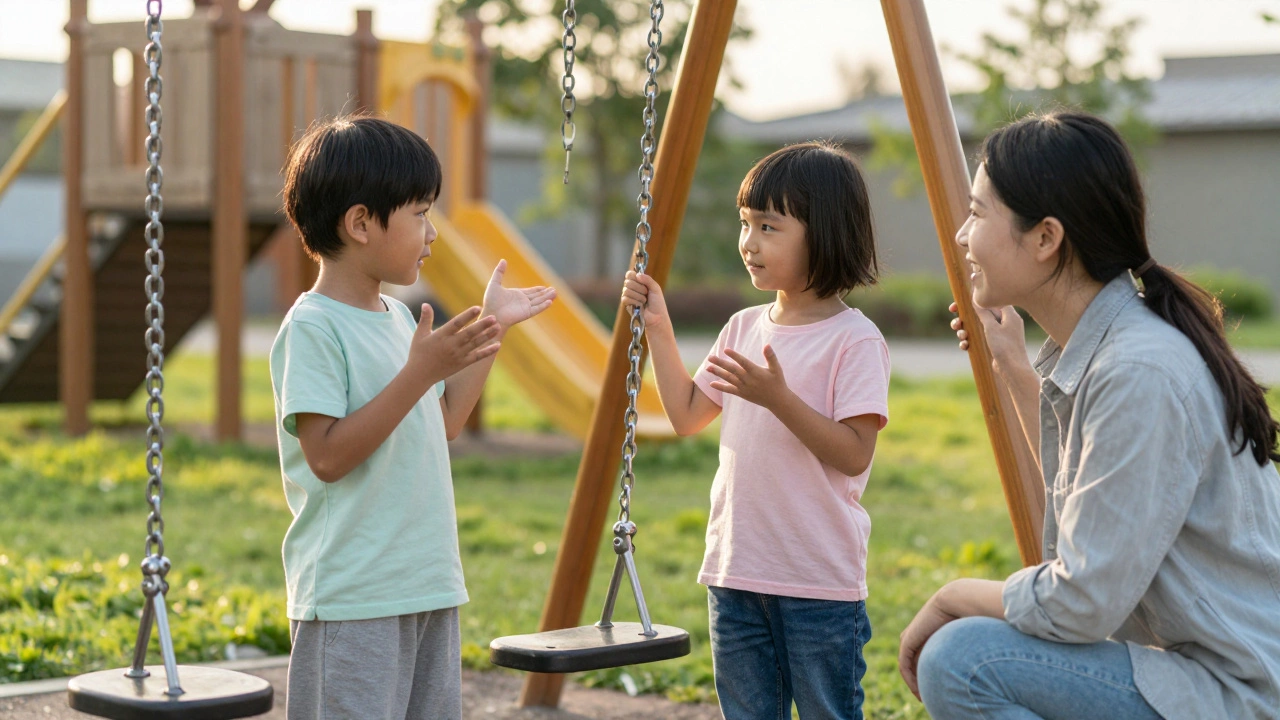
Imagine a playground scene. Two children want the same swing. How do they resolve this? In an early learning setting, teachers guide them through negotiation and compromise. This simple interaction teaches patience, fairness, and communication. These are skills that classrooms later in life assume students already have. If a child hasn't practiced these interactions, they may struggle with peer relationships and classroom management in primary school.
Furthermore, early education helps children develop a sense of self-regulation. Learning to sit still, listen to instructions, and wait for a turn requires effort. These experiences build the mental muscles needed for focused learning. Without this foundation, even bright children can find formal schooling overwhelming.
The Role of Play in Learning
If you walk into a quality early years center, you won't see rows of desks. You'll see messy tables, building corners, and outdoor spaces. Why? Because play is the work of childhood. Through play, children explore cause and effect, test hypotheses, and create narratives.
Consider a child building a tower with blocks. When it falls, they don't just give up. They analyze why it collapsed. Was the base too narrow? Did they stack unevenly? They try again. This iterative process mirrors scientific inquiry. It teaches resilience and critical thinking without any pressure. Rote memorization, on the other hand, skips this essential exploratory phase. Children need time to manipulate objects and ideas to truly understand them.
Play also fosters creativity. There are no right or wrong answers in imaginative play. A cardboard box can be a spaceship, a house, or a cave. This flexibility of thought is crucial for innovation and adaptability in later life. By prioritizing play-based learning, early years education nurtures curious, creative minds rather than passive recipients of information.
Preparing for School Success
One of the most practical purposes of early years education is school readiness. This doesn't mean knowing how to read fluently by age four. It means having the underlying skills that make learning easier. Children who attend high-quality preschool programs tend to enter kindergarten with stronger language skills, better attention spans, and more positive attitudes toward learning.
Studies consistently show that children from disadvantaged backgrounds benefit the most from early intervention. Quality early education can close the achievement gap before it widens. It provides access to resources, books, and educational experiences that some families may not be able to provide at home. This equity aspect is vital for creating a fairer society.
Moreover, early education helps parents. It offers support, guidance, and respite. Teachers can spot developmental delays early, allowing for timely interventions. They can also advise parents on how to support learning at home. This partnership between home and school creates a consistent environment for the child.
Challenges in Accessing Quality Care
Despite the clear benefits, accessing high-quality early years education remains a challenge for many families. Cost is a major barrier. In many regions, childcare fees are prohibitively expensive. This forces parents to make difficult choices between work and care. Low wages for early childhood educators also impact quality. When staff are underpaid, turnover rates rise, leading to instability in the classroom.
Additionally, there is often a lack of understanding about what constitutes 'quality' early education. Some parents expect academic drilling, while experts advocate for play-based approaches. Bridging this gap requires clear communication and community engagement. Governments and organizations must invest in professional development for educators and subsidies for families to ensure that all children have access to supportive early learning environments.
How to Choose the Right Program
If you are looking for an early years program for your child, what should you look for? First, observe the interactions. Are teachers warm, responsive, and engaged? Do they get down to the child's level? Second, check the curriculum. Is it play-based? Does it allow for free exploration? Third, consider the environment. Is it safe, clean, and stimulating? Are there plenty of books and open-ended materials?
- Teacher Qualifications: Ensure staff have relevant training and certifications in early childhood education.
- Child-to-Staff Ratio: Lower ratios mean more individual attention for each child.
- Parent Involvement: Look for programs that encourage communication and partnership with families.
- Diversity and Inclusion: The program should reflect and respect diverse cultures and abilities.
Visiting multiple centers and talking to current parents can give you a realistic picture. Trust your instincts. If something feels off, keep looking. Your child deserves an environment where they feel safe, valued, and excited to learn.
Is early years education necessary for all children?
While not legally mandatory everywhere, high-quality early years education significantly benefits all children. It supports brain development, social skills, and school readiness. Children from disadvantaged backgrounds often see the greatest gains, but even affluent children benefit from structured social interaction and cognitive stimulation.
What is the difference between daycare and preschool?
Daycare primarily focuses on supervision and basic care, allowing parents to work. Preschool, a type of early years education, has a stronger focus on developmental learning through structured activities and play. However, many modern centers blend both, offering comprehensive care and education.
At what age should children start early education?
Most children can benefit from starting around age three or four, just before kindergarten. However, some programs accept toddlers as young as eighteen months. The best age depends on the child's maturity, social readiness, and family needs. High-quality programs cater to different developmental stages.
How does play-based learning help children?
Play-based learning allows children to explore concepts naturally. It develops critical thinking, problem-solving, and creativity. Through play, children practice social skills, language, and motor coordination in a low-pressure environment. It builds a love for learning that lasts a lifetime.
Can parents replicate early years education at home?
Parents can certainly support development at home through reading, talking, and playing. However, early education centers offer peer interaction and professional guidance that are hard to replicate alone. Socializing with other children is a key component that homes typically cannot provide fully.