

Distance Learning Cost & Time Savings Calculator
Your Education Profile
Projected Annual Benefits
$0
Based on average reductions in housing, transport, and materials.0 hours
That's approximately 0 full days per year!Cost Breakdown Comparison
| Category | Traditional | Online Est. |
|---|
Imagine finishing your workday at 5 PM, only to realize you have a lecture starting in an hour. You rush home, change clothes, drive through traffic, and barely make it to the classroom. Now imagine another scenario: you finish work, sit down with a cup of coffee, and access your course materials instantly from your living room. This isn't just a daydream; it is the reality for millions of students who have switched to distance learning is an educational approach where instruction is delivered remotely, often via the internet, allowing students to learn without being physically present in a traditional classroom. But is it actually better? Or is it just easier?
The debate between remote and physical classrooms has shifted dramatically since 2020. It is no longer about whether online education works-it clearly does. The question now is whether it offers superior outcomes for specific types of learners. For many, the answer is a resounding yes. Let’s break down why distance learning often outperforms traditional schooling in flexibility, cost, focus, and accessibility.
The Freedom of Time and Location
The most obvious advantage of studying online is freedom. In a traditional setting, your schedule is rigid. If class is at 9 AM, you must be there at 9 AM. With asynchronous learning is a type of distance education where students can access lectures and complete assignments on their own schedule, rather than attending live sessions at fixed times, you decide when to learn. Maybe you are a night owl who thinks best after midnight. Perhaps you are a parent who needs to study while your children nap. Online programs accommodate these rhythms.
This flexibility extends beyond time to location. You do not need to commute. Commuting eats up hours every week-hours that could be spent sleeping, exercising, or actually studying. According to data from the U.S. Bureau of Labor Statistics, the average American spends over 30 minutes commuting each way. Over a semester, that adds up to dozens of lost hours. By eliminating travel, distance learning gives you back control over your life.
- Self-paced progress: Fast learners can move ahead; those who need more time can pause and review without feeling left behind.
- Geographic independence: Access top-tier courses from universities worldwide without relocating.
- Work-life balance: Juggle full-time jobs, family duties, and education simultaneously.
Lower Costs and Hidden Savings
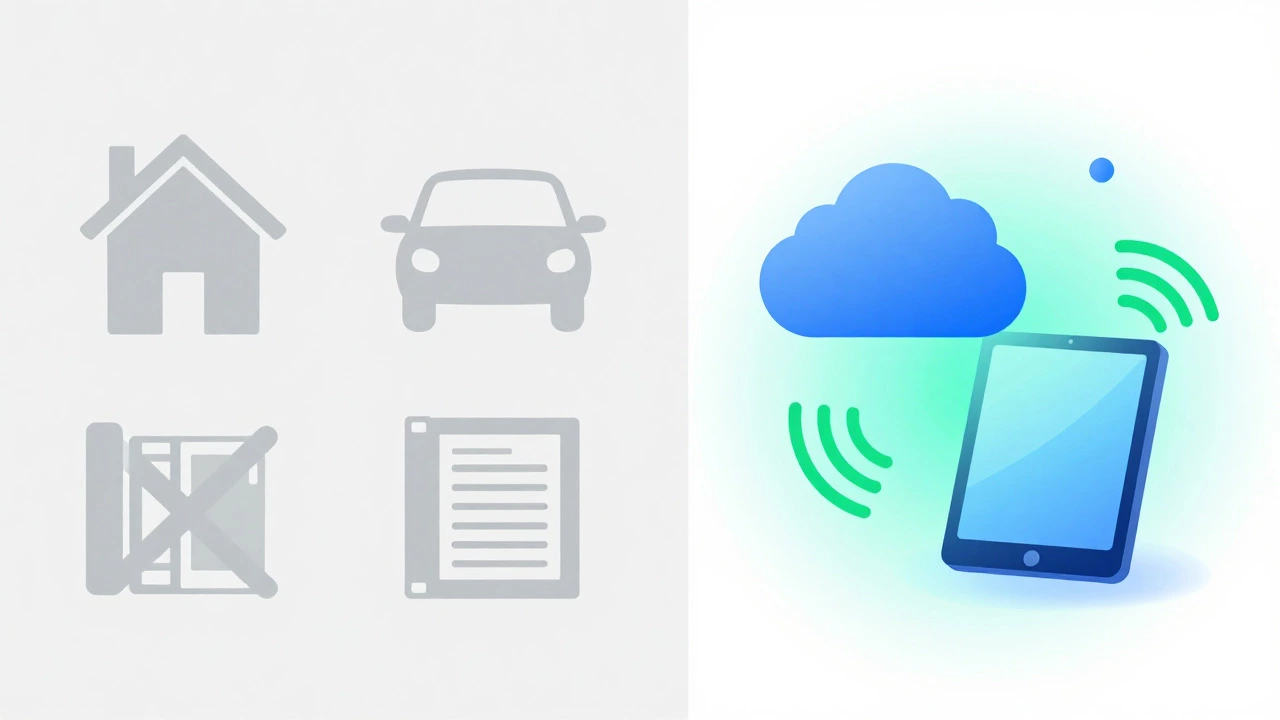
Money talks, and in this conversation, distance learning speaks loudly. Traditional campus life comes with hefty price tags. Tuition is only part of the story. Consider housing near campus, meal plans, transportation passes, and textbooks. Many online programs waive fees for physical resources because everything is digital. Plus, you save on gas, car maintenance, or public transit fares.
A study by the National Center for Education Statistics found that online degree programs often cost less than their on-campus counterparts, even at the same institution. Why? Because schools save on facility maintenance and utilities, passing some savings onto students. Additionally, many employers offer tuition reimbursement for online certifications and degrees, recognizing that employees can upskill without leaving their jobs.
| Expense Category | Traditional Campus | Distance Learning |
|---|---|---|
| Tuition | $10,000 - $40,000/year | $8,000 - $35,000/year (often lower) |
| Housing | $6,000 - $15,000/year | $0 (live at home) |
| Transportation | $1,500 - $3,000/year | $0 - $200/year (internet costs) |
| Textbooks/Materials | $800 - $1,200/year | $200 - $500/year (digital resources) |
These numbers vary by school and region, but the trend is clear: going online reduces financial strain significantly. For adult learners returning to school, this affordability can be the difference between pursuing a dream and giving up.
Focused Learning Environment
Think about your last lecture. How much did you actually absorb? Distractions in physical classrooms are everywhere: chatty neighbors, phone notifications, uncomfortable seating, or even the temperature of the room. At home, you create your ideal study environment. No one interrupts unless you let them. You can dim the lights, play white noise, or stand up while reviewing notes if that helps you concentrate.
Research published in the Journal of Asynchronous Learning Networks suggests that self-regulated learners perform better in online settings because they take ownership of their distractions. Instead of relying on external structure (like a professor watching you), you build internal discipline. This skill translates directly into professional success. Employers value people who can manage their own workload and stay focused without constant supervision.
Accessibility for Diverse Needs
Traditional classrooms were designed for a narrow demographic: able-bodied, neurotypical students who thrive in group settings. Distance learning breaks down these barriers. Students with mobility issues no longer face stairs or crowded hallways. Those with social anxiety or autism spectrum disorders can participate in discussions via text-based forums, which allows them to think before responding-a luxury rarely available in fast-paced verbal debates.
Technology also supports diverse learning styles. Videos can be paused, rewound, and viewed with captions. Text transcripts help auditory learners process information visually. Screen readers assist those with visual impairments. These tools are often built into modern learning management systems like Canvas is a widely used learning management system (LMS) that provides platforms for educators to deliver online courses, manage grades, and facilitate communication between teachers and students. or Moodle, making education more inclusive than ever before.
Development of Digital Skills
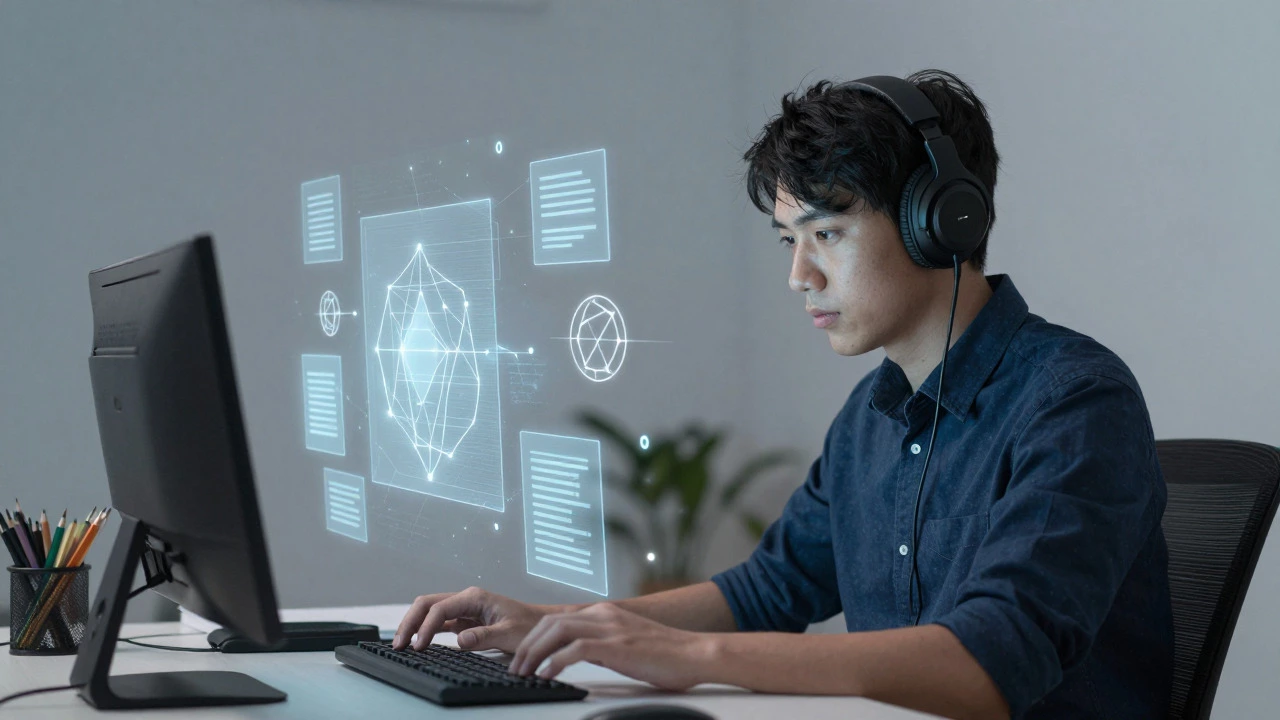
We live in a digital world. Jobs increasingly require proficiency with collaboration tools, cloud storage, video conferencing, and project management software. When you study online, you naturally develop these competencies. Navigating virtual classrooms teaches you how to communicate effectively via email and chat, manage deadlines using digital calendars, and troubleshoot basic tech issues independently.
Consider this: during the pandemic, companies rapidly adopted remote work models. Employees who had prior experience with online learning adapted faster because they were already comfortable with digital workflows. Your degree isn’t just knowledge-it’s proof that you can operate in today’s hybrid workplace.
Is Distance Learning Right for Everyone?
Not necessarily. While the benefits are compelling, distance learning demands high levels of self-motivation. Without the physical presence of peers and instructors, some students struggle to stay engaged. Hands-on fields like nursing, engineering labs, or performing arts still require physical practice. However, even in these disciplines, hybrid models combine online theory with practical sessions, offering the best of both worlds.
If you are disciplined, organized, and value autonomy, distance learning likely suits you better than traditional classes. But if you crave daily social interaction and structured routines, you might prefer the campus experience-or seek out cohort-based online programs that simulate community through live group projects.
Is a degree earned through distance learning respected by employers?
Yes, absolutely. Most accredited institutions issue identical diplomas regardless of delivery mode. Employers care more about the skills you demonstrate and the reputation of the university than how you attended classes. In fact, many hiring managers view online graduates as highly motivated and tech-savvy.
How do I avoid isolation when studying online?
Proactively join discussion boards, form study groups via Zoom or Slack, and attend virtual office hours with professors. Many online programs also host networking events and alumni meetups. Building connections takes effort, but it is entirely possible to create a supportive community remotely.
What technology do I need for successful distance learning?
A reliable computer (laptop or desktop), stable high-speed internet connection, headset with microphone, and basic software like word processors and PDF readers. Some specialized courses may require additional tools, such as graphic design software or coding environments, but general requirements remain minimal.
Can I switch between online and in-person classes?
Many universities offer flexible pathways where you can mix online and face-to-face courses. Check with your academic advisor to ensure credits transfer seamlessly between formats. Hybrid programs are specifically designed to allow this flexibility within a single degree plan.
Are online exams harder to cheat on?
Modern proctoring technologies use AI-driven monitoring, webcam tracking, and browser lockdown features to prevent cheating. While concerns exist, reputable institutions maintain rigorous academic integrity standards comparable to on-campus testing. The focus remains on assessing genuine understanding rather than memorization.