
When schools shut down in 2020, distance learning became a necessity. But now, in 2025, it’s not just a backup plan-it’s a permanent option for millions of students. The big question isn’t whether it exists anymore. It’s whether it’s actually good for students.
It works well for self-motivated learners
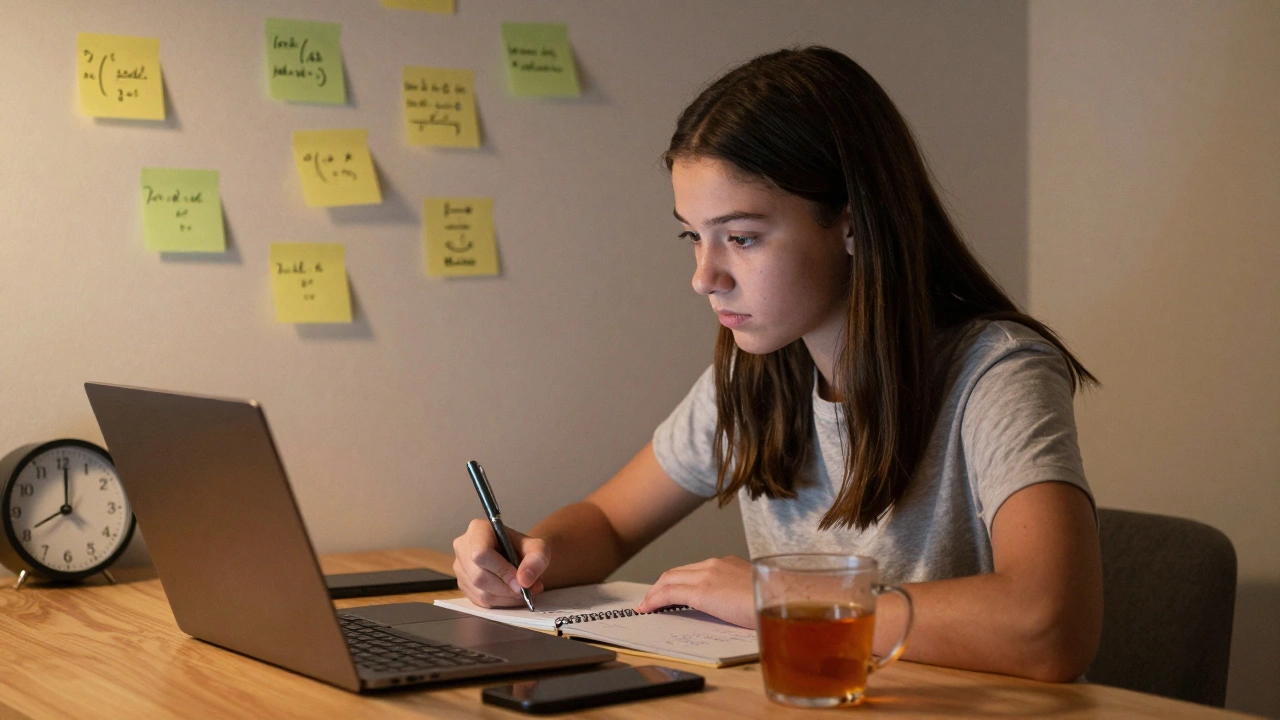
Students who know how to manage their time thrive in distance learning. They set their own schedules, review lectures at their own pace, and don’t get distracted by classroom chatter. A 2024 study by the National Center for Education Statistics found that 68% of high school students who chose fully online courses reported higher satisfaction when they had control over their learning pace. That’s not magic. It’s structure. Without the pressure of keeping up with a class that moves too fast-or too slow-these students actually learn more.Take Maria, a 16-year-old in Arizona. She’s been taking AP Calculus online since sophomore year. She watches lectures after school, pauses to rewatch tough problems, and does practice tests at midnight when she’s focused. Her grades went from B+ to A-. She didn’t get extra help from a tutor. She just got the freedom to learn the way her brain works.
But it’s tough for students who need structure
Not everyone thrives without a bell ringing to signal the start of class. For students with ADHD, anxiety, or those who rely on routine, distance learning can feel like being dropped into a desert with no map. A 2025 survey of 12,000 U.S. public school students showed that 43% of those with diagnosed learning differences struggled to complete assignments without daily check-ins from teachers. Without face-to-face reminders, deadlines slip. Without seeing a teacher’s expression, confusion goes unnoticed.One mom in Ohio told me her 14-year-old son stopped turning in work after three weeks of online school. He didn’t skip class-he just didn’t know what to do next. The school had sent a link to a video and a PDF. That’s not teaching. That’s broadcasting. Real learning needs interaction, not just content.
Social isolation is real-and it affects grades
School isn’t just about math and history. It’s about learning how to talk to people, resolve conflicts, read body language, and build friendships. Distance learning cuts that out. And it shows. A 2025 study from the University of Michigan tracked 8,000 middle and high schoolers over two years. Those in fully remote programs had 22% lower scores on social-emotional learning assessments. The drop was biggest in grades 6-8, where peer relationships are critical.Teachers noticed something else: students who didn’t have group projects or lunchtime chats started giving shorter, less detailed answers in essays. They weren’t lazy. They were out of practice. Writing a paragraph about a book is easy. Writing a paragraph that shows you understand how a character felt after being bullied? That needs real human experience.
Access isn’t equal-tech gaps still exist
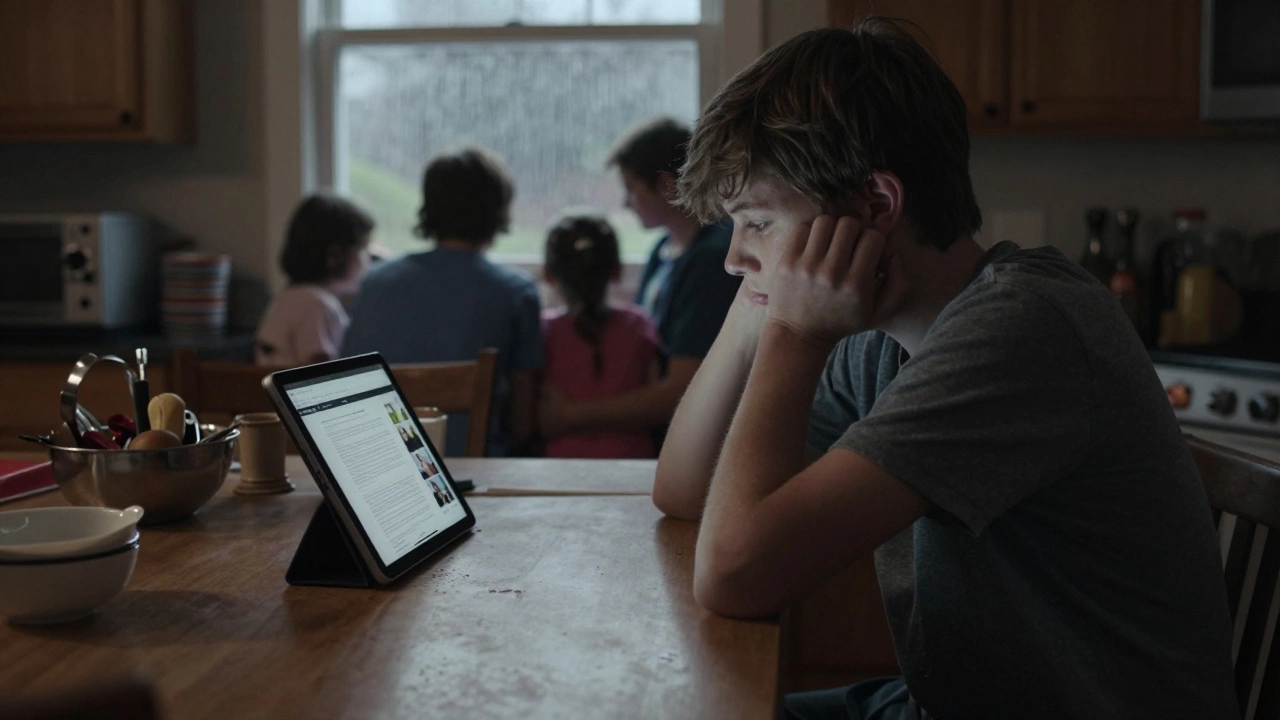
Sure, everyone has a phone now. But a phone isn’t enough. Online learning requires a reliable internet connection, a quiet space to focus, and a device that doesn’t freeze during a video call. In 2025, 1 in 5 low-income U.S. students still don’t have consistent home internet. In rural areas, the number is closer to 1 in 3.That’s not a tech problem. It’s a fairness problem. A student in rural Kentucky can’t join a live discussion if their internet cuts out every 15 minutes. A student in a crowded apartment can’t focus if their sibling is streaming a game next door. Distance learning sounds fair-it’s the same content for everyone. But the conditions? They’re wildly different.
Teachers aren’t trained for this
Most teachers were trained to stand in front of a room, not to manage a Zoom screen full of silent faces. In 2025, only 37% of K-12 teachers reported feeling confident using digital tools to engage students remotely. Many still send PDFs and expect students to figure it out. That’s not distance learning. That’s digital neglect.But some schools are fixing it. In Minnesota, teachers now get 20 hours of training each year on how to build virtual classroom communities. They start each Zoom session with a quick check-in: “How’s your week going?” They use breakout rooms for small group work. They record short video feedback instead of writing essays. The result? Attendance is up. Participation is up. Grades are up.
Hybrid isn’t the future-it’s the only smart option
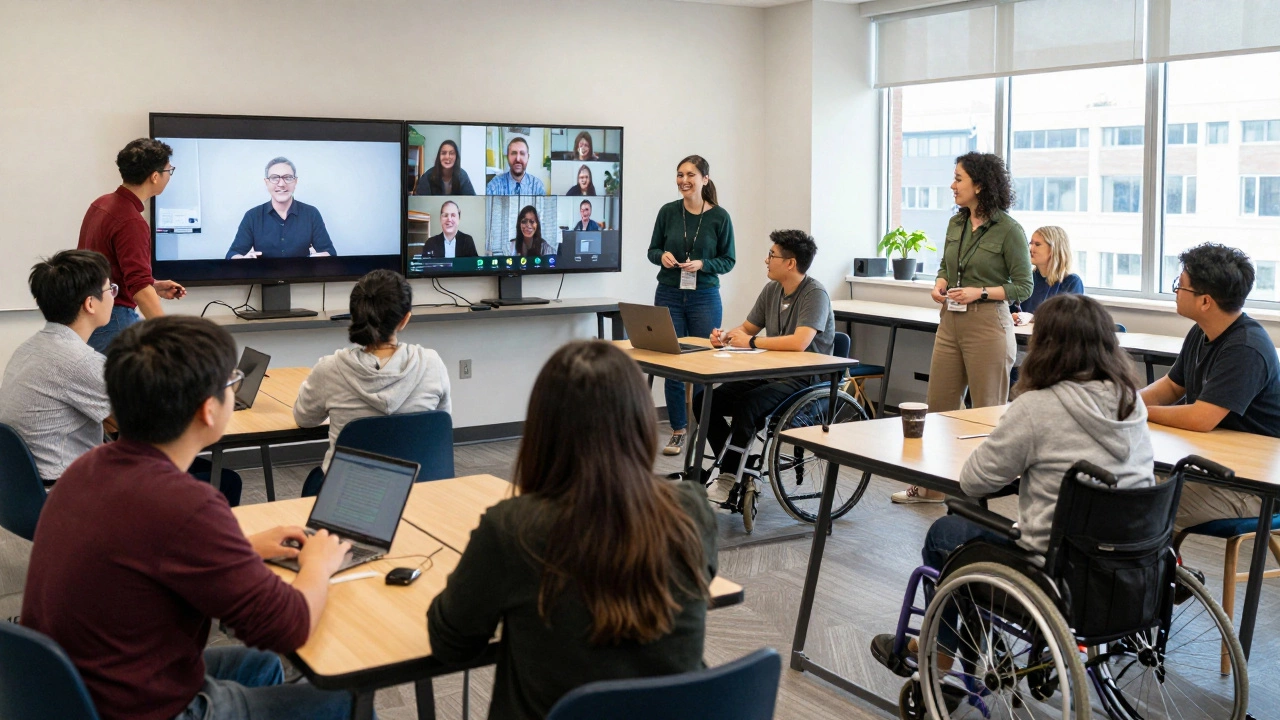
The best distance learning isn’t all online or all in-person. It’s a mix. Schools that offer flexible options-like letting students choose to attend class remotely one day a week, or letting them finish a project online instead of in a lab-see the best outcomes.At Lincoln High in Portland, students can opt for a hybrid schedule. They come in for labs, group debates, and one-on-one tutoring. Everything else-lectures, readings, quizzes-is online. Seniors who struggled with anxiety now graduate at the same rate as their peers. And the ones who love learning on their own? They’re getting college credit early by taking online AP courses.
It’s not about the platform. It’s about the support.
Distance learning isn’t good or bad. It’s a tool. And like any tool, its value depends on how you use it. A hammer can build a house-or smash a window. Same with online education. If you give students autonomy, structure, connection, and real support, it works. If you just hand them a laptop and say “figure it out,” it fails.What matters isn’t whether class is online. It’s whether the student feels seen, heard, and supported. That’s what makes learning stick-not the screen, not the software, not the schedule. It’s the human connection behind it.
Is distance learning better than traditional school?
It’s not better-it’s different. Distance learning gives flexibility and self-paced learning, which helps motivated students. But traditional school offers structure, social interaction, and immediate support, which many students need. The best choice depends on the student’s personality, learning style, and home environment.
Can distance learning prepare students for college?
Yes, but only if it’s done right. Colleges look for self-discipline, time management, and the ability to work independently-all skills distance learning can build. But students need guidance. Those who get regular feedback, mentorship, and opportunities to collaborate online are just as prepared as those in traditional classrooms. Those who are left alone? They struggle.
Do employers care if someone learned online?
Not if the skills are there. Employers care about what you can do, not where you learned it. A 2025 survey of 500 hiring managers found that 79% said they judged candidates based on portfolios, projects, and interviews-not the format of their education. What matters is whether the student can solve problems, communicate clearly, and take initiative.
Is distance learning cheaper than traditional school?
Sometimes, but not always. Public K-12 online programs are free, just like traditional schools. But private online academies or college courses can cost more. The real savings come from cutting transportation, uniforms, and lunch costs. For families, the bigger issue isn’t price-it’s whether the program gives their child what they need to succeed.
What should parents look for in a distance learning program?
Look for three things: regular live interaction with teachers, clear feedback on assignments, and opportunities for peer collaboration. Avoid programs that just post videos and worksheets. Ask if students get one-on-one check-ins. Ask how teachers handle students who fall behind. If the answer is “they don’t,” keep looking.
Can students with special needs succeed in distance learning?
Yes-but only with the right support. Students with IEPs or 504 plans need accommodations built into the online system: captioned videos, screen-reader compatibility, flexible deadlines, and access to specialists. Some families find online learning works better because they can customize the environment. Others find it overwhelming without in-person aides. The key is matching the program’s support to the student’s needs.