
GCSE vs SAT: Key Differences and What UK Students Need to Know
When you're navigating your education path in the UK, you’ve probably heard about GCSE, a UK-based qualification taken by students around age 16 that assesses understanding across multiple subjects—and maybe even the SAT, a standardized test used by US colleges to evaluate applicants’ readiness for higher education. But what’s the real difference? And if you’re thinking about applying to universities in the US, does your GCSE performance even matter? These aren’t just academic questions—they directly shape your next steps.
The GCSE is your foundation. It’s not a single test. It’s a series of exams across subjects like English, Maths, Science, History, and more. Your grades—ranging from 9 to 1—reflect how well you’ve mastered each subject over two years. It’s a broad measure of your school learning. The SAT, a timed, multiple-choice exam focused on Math and Evidence-Based Reading and Writing, with an optional Essay section, is different. It doesn’t test what you learned in class. It tests how well you can solve problems under pressure, think critically, and apply basic skills quickly. It’s designed to be a level playing field for students from all kinds of schools—something UK students often find surprising.
Here’s the thing: UK universities don’t care about your SAT score. They look at your A Levels or IB. But if you’re aiming for a US college, your GCSEs are just the starting point. They’ll want to see your A Level predictions or results, your SAT or ACT score, your extracurriculars, and your personal statement. The SAT fills a gap that GCSEs can’t: it gives US admissions officers a single, comparable number to judge applicants from different school systems. Without it, your GCSEs—no matter how good—don’t translate easily.
And here’s what most UK students miss: the SAT isn’t about memorizing facts. It’s about strategy. You can train for it. You can improve your score with practice tests, timing drills, and learning how to spot traps. GCSEs? You can’t cram your way through them. They reward consistent effort over two years. That’s why students who do well on GCSEs sometimes struggle with the SAT—they’re used to deep understanding, not speed-based problem solving.
So if you’re planning to apply to US universities, don’t assume your GCSEs will carry you. You’ll need to take the SAT seriously. Start early. Use free official practice materials. Get used to the format. And remember—your GCSEs still matter. They show your academic history. But the SAT? That’s your ticket to being seen by American admissions teams.
Below, you’ll find real insights from students who’ve navigated both systems—from how to prepare for the SAT while juggling GCSE revision, to what US colleges actually look for when they see a UK qualification on your application. Whether you’re staying in the UK or heading overseas, this collection gives you the facts you need—no fluff, no hype, just what works.
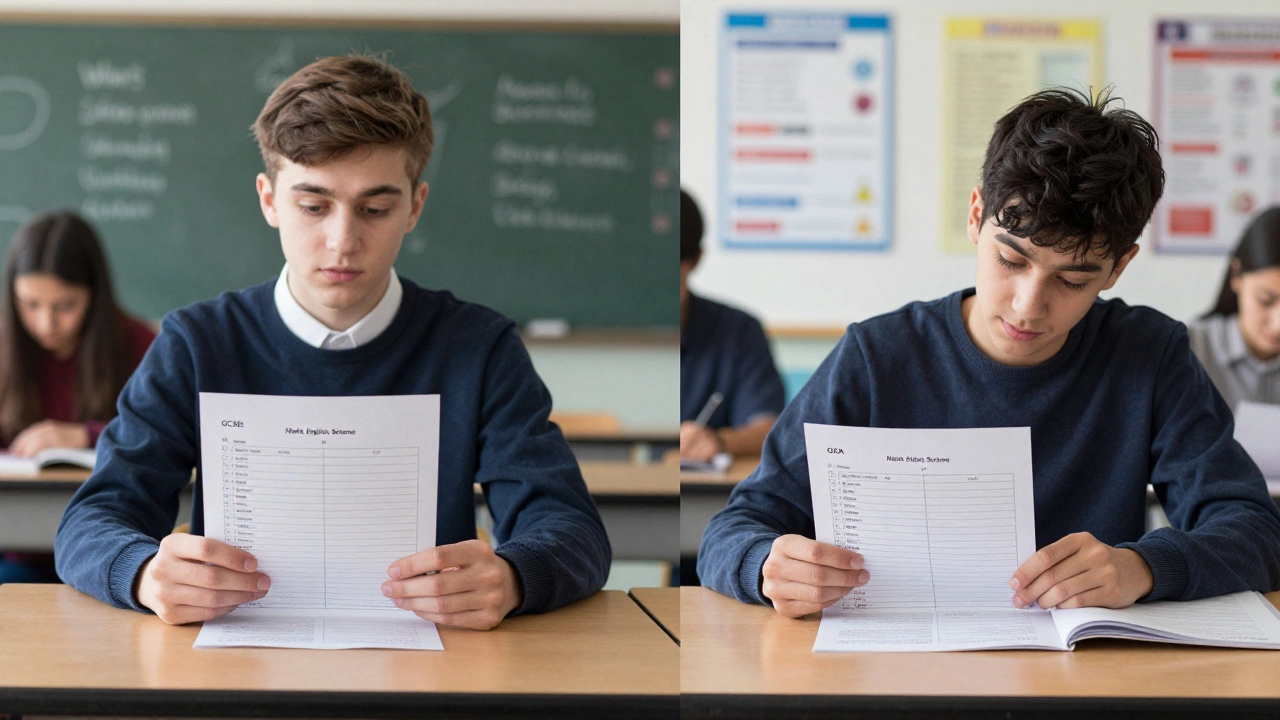
What Is the GCSE Equivalent in the USA?
- by Eliza Fairweather
- on 15 Feb 2026
GCSEs are UK exams taken at 16, but the U.S. has no direct equivalent. Instead, students earn a high school diploma through coursework and final exams over four years. Understanding how the two systems compare helps students plan for college or transfers.
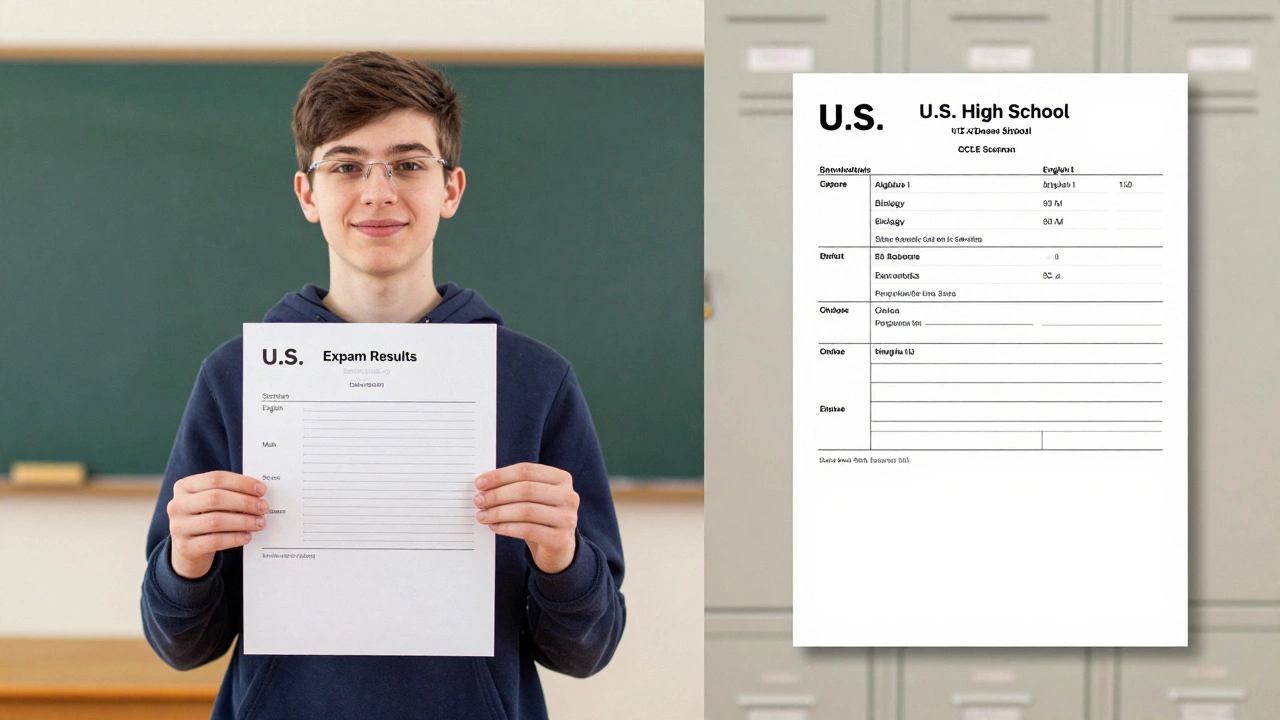
What Is the GCSE Equivalent in the US? A Clear Comparison for Students and Parents
- by Eliza Fairweather
- on 18 Jan 2026
The GCSE equivalent in the US isn't one single test - it's the combination of high school coursework and credits earned by the end of 10th grade. Learn how UK students are placed, how credits transfer, and what comes next.
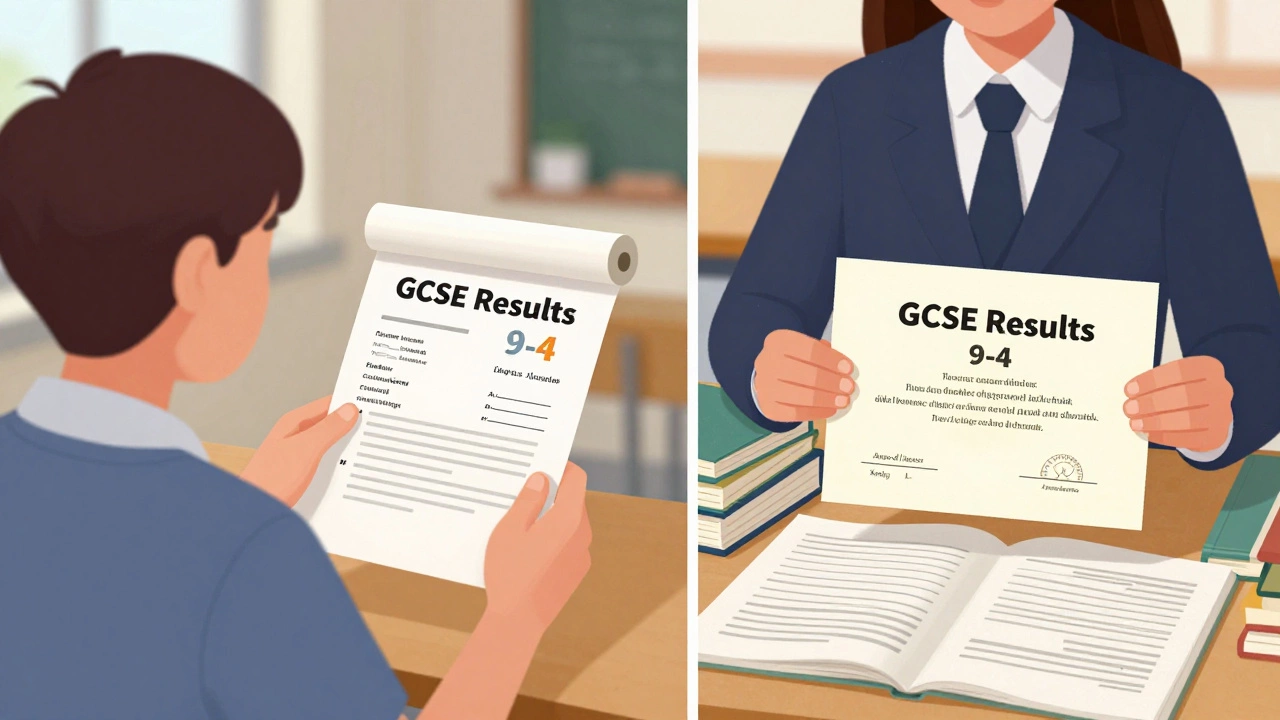
What Is the American Equivalent to GCSEs?
- by Eliza Fairweather
- on 4 Dec 2025
GCSEs are UK exams taken at age 16. The closest U.S. equivalent is the high school diploma, earned after four years of coursework. Learn how GCSE grades compare to U.S. grades and why SATs and GEDs aren't the same.

Is GCSE More Difficult Than SAT? A Clear Comparison for Students and Parents
- by Eliza Fairweather
- on 30 Nov 2025
GCSEs and the SAT test very different skills. GCSEs require steady, long-term effort across multiple subjects, while the SAT is a timed, strategic test focused on critical thinking. Which is harder? It depends on your learning style.