
Most Educated Country: Who Leads and Why It Matters
When we talk about the most educated country, a nation where a high percentage of adults hold tertiary degrees and where education systems consistently produce skilled, critical thinkers. Also known as top-performing education system, it’s not just about how many people go to university—it’s about access, quality, and how well learning translates into real-world success.
The higher education, post-secondary learning that includes universities, colleges, and professional programs systems in countries like Canada, Japan, and South Korea aren’t just busy with enrollment numbers—they’re built to support lifelong learning. Canada, for example, leads the OECD in adult degree attainment, with over 56% of 25- to 34-year-olds holding a tertiary qualification. That’s not luck. It’s policy: affordable tuition, strong public funding, and early support for at-risk learners. Meanwhile, Finland and Estonia focus on equity—every student, no matter their background, gets the same high-quality teaching. It’s not about elite schools; it’s about lifting the whole system.
The literacy rates, the percentage of a population that can read and write at a basic level in these top countries are near 100%, but that’s just the starting line. What separates them is how they keep people learning beyond school. Adult education programs, employer-sponsored training, and digital access to courses make learning part of daily life. Compare that to countries where education ends at 16 or where students drop out because they can’t afford it. The gap isn’t just in test scores—it’s in opportunity.
And it’s not just about degrees. The international student outcomes, how well students from different countries perform in global assessments and enter the workforce tell another story. Countries that rank high don’t just produce top scorers on PISA tests—they produce people who solve problems, adapt quickly, and keep learning after graduation. That’s why employers in tech, healthcare, and engineering often look first to these nations for talent.
What you’ll find in the posts below isn’t just a list of rankings. It’s real stories about how education systems work—or don’t—across borders. From how GCSEs compare to U.S. diplomas, to why A-Levels are seen as rigorous by top universities, to what makes adult learners succeed, these articles connect the dots between policy, practice, and personal experience. You’ll see why one country’s success isn’t a magic formula, but a mix of choices, investments, and cultural values—and how you can apply those lessons, no matter where you are.
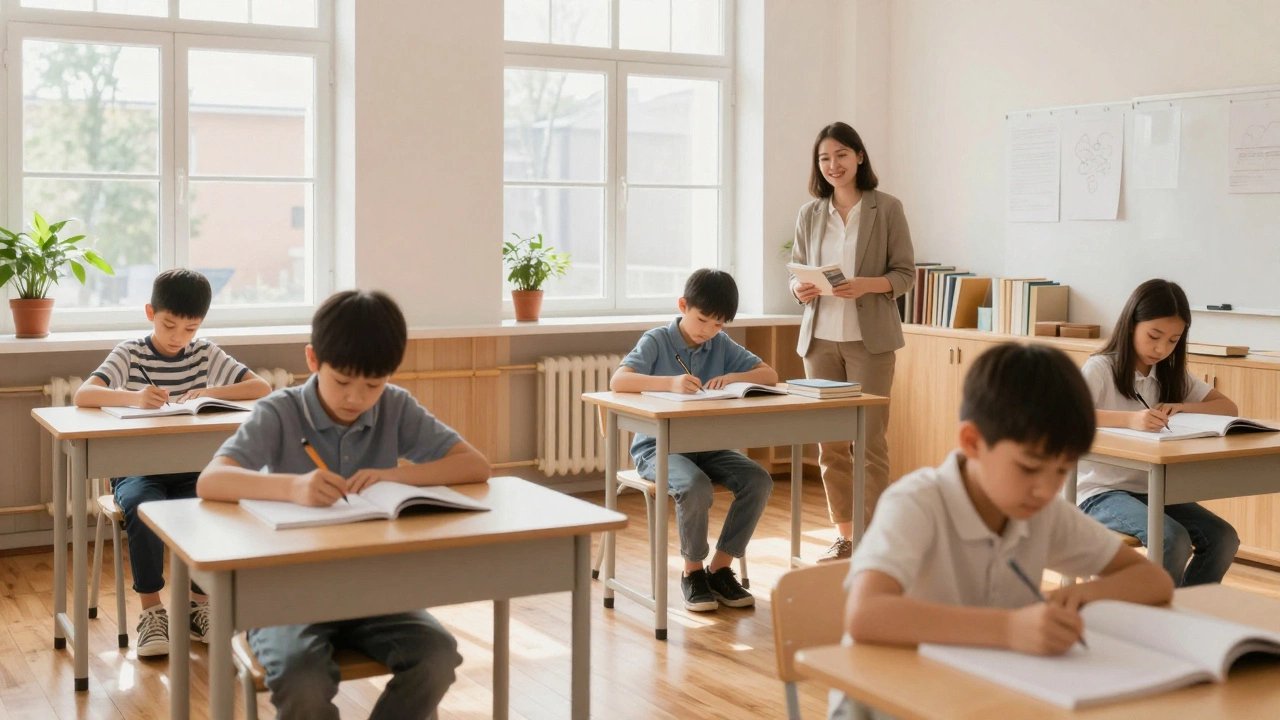
What Is the Most Educated Country in the World?
- by Eliza Fairweather
- on 4 Dec 2025
Finland, Japan, and South Korea lead global education rankings-not because of test scores alone, but because of how they teach students to think, learn, and grow. Here’s what their systems reveal about real education-and how it can help your GCSE revision.